You might be feeling a little guilty every time you think about your teeth. Maybe you brush twice a day, sometimes floss when you remember, and hope that as long as nothing hurts, everything is fine. Then a small twinge when you bite into something cold makes you wonder if you missed something important along the way—like scheduling a visit with a dentist in Denton, TX.
That is how it often starts. There is the “before” where your mouth feels okay, so dental visits keep getting pushed to the bottom of the list. Then there is the “after” when a sudden toothache, a broken filling, or a big treatment plan lands in your lap, and you realize how expensive and stressful dental problems can become when they are not caught early.
Preventive dentistry is the quiet work that keeps you out of that crisis cycle. It is regular checkups, cleanings, and small daily habits that protect you from pain, infection, and avoidable costs. It is not about perfection. It is about steady care so problems stay small or never appear at all.
So where does that leave you right now. You do not need to feel ashamed about the past. You only need to understand why prevention matters so much, what it really involves, and how to take a few simple steps that protect your health for the long term.
Why do small dental issues turn into big problems so quickly
To understand why preventive dentistry deserves a place near the top of your health priorities, it helps to see how quietly oral disease develops. Most cavities and gum problems do not hurt in the early stages. They grow in silence, which is why so many people are shocked when a dentist finds several issues even though “nothing felt wrong.”
According to the Centers for Disease Control and Prevention, tooth decay is one of the most common chronic diseases across all ages. Their oral health facts and stats show that a large share of adults have untreated decay and signs of gum disease. This means many people are walking around with active disease they simply cannot see or feel yet.
The problem is not just physical discomfort. Untreated oral disease can affect how you eat, speak, smile, and interact with others. It can lower your confidence and your quality of life. It can also place a real strain on your finances.
Think about it this way. A small cavity caught early might need a simple filling. The same cavity ignored for a few years can reach the nerve, cause an infection, and require a root canal or even an extraction and replacement. The time, cost, and stress multiply with each step of delay.
Because of this, you might wonder what preventive care actually looks like in daily life. It is not just “go to the dentist twice a year” and hope for the best. It is a partnership between you and a general dentist, grounded in habits and checkups that work together.
What does prioritizing preventive care really involve
When people hear about proactive dental care, they often think it means doing everything perfectly all the time. That is not realistic, and it is not necessary. Prevention is about consistency, not perfection.
A general dentist who focuses on prevention will guide you in three main areas.
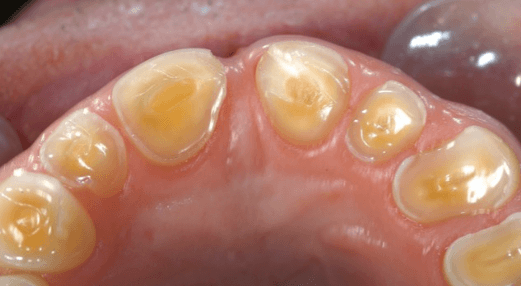
First, regular exams and cleanings. These visits allow your dentist to spot early signs of decay, gum inflammation, worn enamel, and oral cancer. Professional cleanings remove hardened plaque that brushing and flossing cannot handle. The CDC outlines several ways professional care reduces the risk of disease in their section on oral disease prevention.
Second, tailored home care. This includes brushing with fluoride toothpaste twice a day, cleaning between teeth daily, and making a few simple changes in what and how often you eat and drink. For practical guidance, the CDC’s oral health tips for adults give clear, evidence based suggestions that are easy to follow.
Third, personalized preventive treatments. Depending on your risk level, your dentist may recommend fluoride treatments, sealants on back teeth, mouthguards if you grind or play sports, or more frequent cleanings if you are prone to gum problems. This is where a general dentist steps in as a long term partner, not just someone who fixes problems when they hurt.
So what happens if you skip or delay these steps. The emotional and financial impact can be heavy. Imagine needing emergency dental work right before a vacation. Or trying to focus at work with a throbbing tooth. Or learning you need several large restorations that you could have avoided with earlier care. These are not rare stories. They are common, and they are deeply draining.
How do the costs and benefits of prevention really compare
It can help to see the trade offs in front of you. Many people assume prevention is “one more expense,” yet long term it is usually the opposite. It is the thing that helps you avoid bigger, more painful bills.
| Approach | Short term experience | Long term health impact | Typical financial impact |
|---|---|---|---|
| Prioritizing preventive visits and daily care | Small, predictable time commitment. Mild discomfort during cleanings at times. | Fewer cavities and infections. Lower risk of gum disease and tooth loss. Problems caught early. | Regular, lower costs for cleanings and small treatments. Fewer emergencies and major procedures. |
| Waiting until something hurts | No appointments until pain appears. Then sudden urgent visits when life is already busy. | Higher chance of advanced decay, gum disease, and tooth loss. More complex treatment needs. | Irregular but often large bills for root canals, crowns, extractions, or replacements. |
| Relying mostly on home care without a dentist | Feels easier. No visits or cleanings, only brushing and flossing when you remember. | Invisible issues can grow for years. Problems may only surface when severe. | Low cost at first. Potential for significant future costs when hidden problems appear. |
So where does that leave you if you have not seen a dentist in a while or feel anxious about going. It means you still have a chance to change the story. You can start small, focus on the next right step, and give your future self less to worry about.
What can you do right now to protect your oral health
You do not need a full life overhaul to benefit from general dental care. A few clear actions can start shifting you from crisis mode to prevention.
1. Schedule a preventive checkup, even if it has been years
Pick a general dentist and book a visit specifically for an exam and cleaning. When you call, be honest if it has been a long time or if you feel nervous. Many offices are used to this and can move at a pace that feels manageable for you.
At that visit, ask for a clear summary. What needs attention right away. What can wait. What can be prevented with better habits. A good dentist will prioritize and explain your options in plain language.
2. Tighten up your daily habits in small, realistic steps
Focus on what you can actually sustain. For many people, this means brushing twice a day with fluoride toothpaste, then adding flossing once a day at a time that works, such as before bed or while watching a show.
Look at your snacks and drinks. Frequent sipping of sugary drinks or grazing on sweets feeds the bacteria that cause decay. Try to keep sugary items to mealtimes and drink water between meals. Small changes here make a big difference over months and years.
3. Create a simple prevention plan with your dentist
Ask your dentist what your personal risk level is for cavities and gum disease. Then ask what schedule and treatments make sense for you. Some people do well with a cleaning every six months. Others need every three or four months to keep gum inflammation under control.
If they recommend sealants, fluoride treatments, or a mouthguard, ask how each one lowers your risk and over what time frame. Understanding the “why” behind these steps makes it easier to stay committed.
See also: Rethinking Women’s Health Education
Choosing prevention today to protect your tomorrow
You do not have to wait for a broken tooth or a sleepless night with pain to start caring for your mouth differently. Prioritizing preventive dental care is really about protecting your time, your comfort, and your confidence. It is about giving your future self fewer emergencies and more easy smiles.
Even if your past dental story includes gaps, fear, or big treatment plans, you can draw a line today and choose a gentler path forward. One appointment, one habit, one honest conversation with a general dentist can shift you from reacting to problems to staying ahead of them.
Your teeth and gums are with you for life. They touch how you eat, speak, laugh, and show up in the world. They are worth the steady, quiet care that keeps them strong.