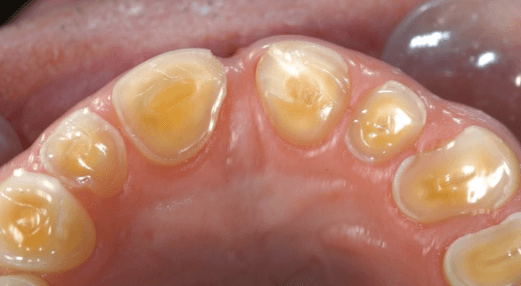
You brush, you floss when you can, and then something still feels off. A tooth stings when you drink something cold. Your gums bleed a little when you spit. Maybe you have bad breath that keeps coming back, or a cracked filling you keep ignoring because life is busy and dental visits can feel expensive, stressful, or easy to put off. That is where a general dentist often becomes the steady point in the middle of a problem that has started to affect your comfort, your confidence, and your routine. Invisalign Redmond, WA.
How general dentistry helps patients navigate oral health challenges comes down to something simple. It gives you a place to catch problems early, treat the ones that already hurt, and build habits that keep small issues from turning into bigger ones. A good dental visit is not just about cleaning teeth. It is about understanding what is happening in your mouth and what to do next without guessing.
General dentistry gives structure to oral health problems that feel scattered
Oral health problems rarely show up one at a time in a neat way. It might start with tooth sensitivity, then you notice jaw soreness, then a routine meal becomes annoying because one side of your mouth feels tender. You may tell yourself it will settle down. Sometimes it does not. Decay can deepen, gum irritation can spread, and a small crack can turn into a broken tooth when you least expect it.
A general dentist helps by sorting out what is urgent, what can wait, and what is causing the chain reaction. That matters because pain in one tooth can be linked to clenching, an uneven bite, an old filling, or gum disease. Without a clear exam, it is easy to focus on the symptom and miss the cause.
This is also where many people feel stuck. If you are already worried about cost, taking time off work, or hearing bad news, delay starts to feel easier than action. The problem is that dental issues usually get more expensive and more invasive when they are ignored. A cavity that needs a filling today may need a root canal or extraction later. Gum inflammation that responds to cleaning and home care can turn into deeper periodontal trouble if plaque and tartar stay in place too long.
Routine dental care creates a path through that uncertainty. Exams, X rays when needed, cleanings, fillings, crowns, gum evaluations, and referrals for specialty care all work together. You are not expected to know which service you need before you walk in. The office figures that out with you.
Oral health affects more than teeth, and general dentist care addresses the daily impact
When your mouth hurts, daily life shrinks fast. You chew differently. You stop smiling the same way. You avoid certain foods. Sleep gets worse if a tooth throbs at night. Even mild gum bleeding can sit in the back of your mind because it feels like a sign that something is wrong, and often it is.
General dentistry addresses these challenges early because the mouth does not exist on its own. The CDC shares practical oral health tips for adults that connect daily habits with long term prevention. The National Institute of Dental and Craniofacial Research also outlines core oral hygiene guidance that supports healthy teeth and gums between appointments. If you are trying to make sense of symptoms, treatment options, or common conditions, MedlinePlus offers a solid overview of dental health information.
The value of general dentist care is that it turns advice into a plan that fits your mouth, your health history, and your habits. A person with dry mouth from medication needs different support than someone dealing with grinding, frequent cavities, or early gum disease. The basics matter, but the details matter too.
Home care and professional dental treatment serve different purposes
Home care does a lot, but it does not do everything. Brushing removes soft plaque. Flossing helps clean where your toothbrush cannot reach. Fluoride toothpaste strengthens enamel. None of that removes hardened tartar once it forms, and none of it can diagnose decay hiding between teeth or under an old restoration.
| Concern | What home care can do | What general dentistry can do |
| Plaque buildup | Reduce daily plaque with brushing and flossing | Remove tartar and check for areas you keep missing |
| Early cavities | Lower risk with fluoride and diet changes | Detect cavities early and treat them before they deepen |
| Bleeding gums | Improve gum care if irritation is mild | Find out whether the cause is gingivitis, periodontitis, or another issue |
| Tooth pain | Avoid triggers for a short time | Diagnose the source and provide treatment such as fillings, crowns, or further care |
| Broken filling or cracked tooth | Very little beyond temporary caution | Repair damage before the tooth breaks further or becomes infected |
This is why preventive visits matter even when nothing feels urgent. A lot of damage stays quiet until it reaches a point where you cannot ignore it. General dentistry closes that gap.
Small steps make oral health challenges easier to manage
Book the visit you have been putting off. If you have sensitivity, bleeding gums, pain, a loose filling, or bad breath that keeps returning, schedule an exam. Waiting for a perfect time usually means waiting too long. Even if the issue turns out to be minor, you get clarity.
Pay attention to patterns, not isolated moments. A little bleeding once may not mean much. Bleeding every week does. Sensitivity after whitening is one thing. Sensitivity every time you drink cold water is another. Write down what you notice, when it happens, and what makes it worse. That gives your dentist better clues.
Make home care easier to keep up with. Use a soft bristle toothbrush, fluoride toothpaste, and floss or another cleaner that you will actually use every day. If you grind your teeth, wake up with jaw tension, or keep getting decay despite brushing, say that out loud at your appointment. Those details change treatment.
See also: Best Business Setup Company in Dubai: How to Choose the Right Business Partner
General dentistry supports long term oral health with practical care
You do not need to solve every dental concern on your own. The right next step is often much smaller than people fear. One exam can explain the pain, confirm what is healthy, and map out what needs attention first. That is how oral health care becomes manageable again.
If something in your mouth has been bothering you, do not keep guessing. Reach out and schedule a dental appointment so you can get clear answers, timely treatment, and a plan that protects your comfort and your health.