You brush when you can, you mean to floss more, and you probably tell yourself you will book that dental visit after things calm down. That is how oral health slips. Not through one bad day, but through a long stretch of small delays. If your teeth feel fine, it is easy to assume everything is fine. Cavities, gum disease, and enamel wear often start quietly, and by the time you notice pain, the fix is usually bigger, longer, and more expensive. That is why staying consistent with dental care in Fort Atkinson, WI can help catch small issues before they turn into bigger problems.
The good news is that prevention still does most of the heavy lifting. A few steady habits protect your teeth, your gums, and your wallet. These are not complicated routines meant only for people with perfect discipline. They are the best dental prevention habits for real life, and they work for kids, teens, adults, and older patients alike.
Daily brushing and flossing stop small problems from turning costly
Most dental trouble begins where plaque sits undisturbed. That sticky film feeds on sugars, produces acid, and irritates your gums. Skip brushing at night, rush through it in the morning, or leave the spaces between teeth untouched, and the damage builds layer by layer. You may not feel anything at first. That is part of the problem.
Brush twice a day with fluoride toothpaste for two full minutes. Use a soft bristle toothbrush and angle it gently at the gumline. Floss once a day, even if your gums bleed a little in the beginning. Mild bleeding often means the tissue is inflamed, not that flossing is harming you. When plaque comes off consistently, gums usually calm down.
For a plain language overview of brushing, flossing, and common dental concerns, the MedlinePlus dental health guide is a reliable place to start.
Fluoride and smart food choices strengthen teeth every day
What you eat matters, but how often you eat matters too. Sipping soda all afternoon, grabbing candy between meals, or reaching for sports drinks during the day keeps your teeth under repeated acid attack. Even foods that seem harmless can feed decay if they stick around long enough.
Fluoride helps repair early enamel damage before it becomes a cavity. That is why fluoride toothpaste and fluoridated water still matter so much. If you are cavity prone, your dentist may also suggest a fluoride rinse or in office treatment. This is one of the simplest oral health habits for every age because it protects baby teeth, permanent teeth, and aging teeth that may be more vulnerable from dry mouth or gum recession.
Try to keep sugary foods and drinks with meals instead of frequent snacking. Drink water often. Crunchy fruits and vegetables can help clear food from the mouth, though they do not replace brushing. If you wear aligners, dentures, or a night guard, cleaning those appliances matters too, because trapped bacteria can work against every other good habit.
Routine dental visits catch what you cannot see at home
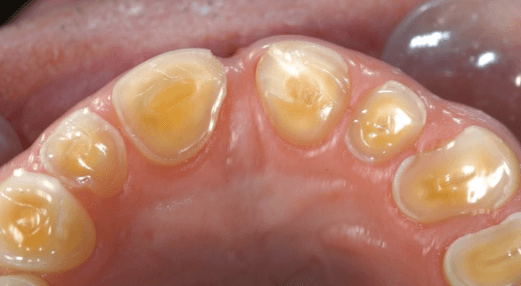
You can do a lot at home, but you cannot remove hardened tartar with a toothbrush, and you cannot always spot a cavity between teeth or under an old filling. That is where regular checkups and cleanings come in. A general dentist looks for early signs of decay, gum disease, bite problems, oral cancer, and wear from grinding. Small findings often mean simple treatment. Delayed findings often mean larger treatment.
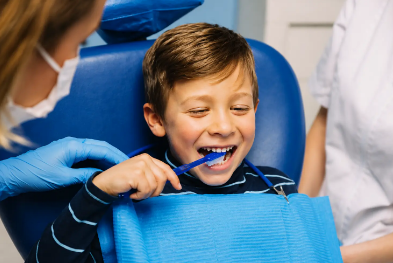
This matters even more if you have diabetes, dry mouth, braces, pregnancy related gum changes, or medications that affect your mouth. Children need monitoring as their teeth and jaws develop. Older adults may face root decay, gum recession, or denture fit issues. Different ages bring different risks, but prevention still follows the same pattern. Catch it early, treat it early, and protect what is still healthy.
The CDC oral health tips for adults outlines practical prevention steps that support what dentists recommend in the office.
Prevention habits work better than waiting for symptoms
Pain is a late signal. A cavity can deepen for months before it hurts. Gum disease can progress with little more than bleeding when you brush, and many people ignore that because it does not seem urgent. Waiting often leads to fillings becoming crowns, irritation becoming infection, and a routine cleaning becoming deeper gum treatment.
| Habit | What It Helps Prevent | What Happens When It Is Ignored |
| Brushing twice daily with fluoride toothpaste | Plaque buildup, cavities, enamel weakening | Decay, tooth sensitivity, larger restorations |
| Flossing once daily | Gum inflammation, decay between teeth | Bleeding gums, bad breath, hidden cavities |
| Limiting sugary snacks and drinks | Frequent acid attacks on enamel | Higher cavity risk, enamel wear |
| Routine dental checkups and cleanings | Missed early signs of disease | Costlier treatment, more discomfort, more time in the chair |
| Mouthguards and appliance care when needed | Tooth fractures, bacterial buildup, wear from grinding | Broken teeth, jaw soreness, oral irritation |
For broader science based information on prevention, disease, and oral care across the lifespan, see the NIH oral and dental health resources.
Simple preventive dental care is easier to keep than to restart
Most people do not fail because they do not care. They fall off because the routine becomes inconvenient, then guilt takes over, and the longer they wait, the harder it feels to begin again. That pattern is common in preventive dental care. The fix is not perfection. The fix is making the next right move and repeating it enough times that it becomes normal again.
Set a routine you can actually keep. Brush at the same two points in your day, usually after breakfast and before bed. Keep floss where you will see it. If two minutes feels long, use a timer or an electric toothbrush with a built in one.
Reduce the triggers that wear teeth down. Swap frequent sweet drinks for water more often. If you snack often, choose foods that are less sticky and less sugary. If you grind your teeth, wake with jaw soreness, or play contact sports, ask your dentist about protection before damage shows up.
Book preventive visits before there is a problem. Put the next cleaning on the calendar before life gets crowded again. Preventive appointments are easier to keep when they are already scheduled, and they give your dentist a chance to catch changes while they are still small.
Steady habits protect your smile at every age
Your mouth changes over time, but the basics stay the same. Clean plaque away every day, give enamel fluoride support, keep sugar exposure in check, and see your dentist before pain forces the issue. These five habits are simple, but they are not minor. They are what keep ordinary dental problems from becoming disruptive ones.
If it has been a while since your last visit, you are not alone, and you do not need to wait for a problem to get back on track. Schedule a checkup with a general dentist and start with the next step you can keep.