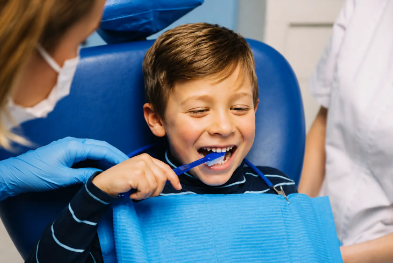
You might be feeling that knot in your stomach already. Maybe your child tenses up at the word dentist, starts asking worried questions in the car, or cries the moment they see the waiting room. For many parents, a simple checkup can feel anything but simple, because you are not just managing a dental visit, you are trying to protect your child from fear while still getting the care they need. Finding the right dentist in Hastings, MI can make that experience feel far less overwhelming for both you and your child.
That tension is real, and it helps to know that you are not overreacting. Dental anxiety in children is common, and it can shape how they feel about oral care for years. The good news is that a skilled family dentist often does much more than clean teeth. They create a calmer setting, explain things in child friendly ways, and adjust care so a nervous child feels safe enough to keep going. In other words, 3 ways family dentists provide comfort for nervous children often come down to trust, pacing, and gentle support.
Why Do So Many Children Feel Afraid Of The Dentist In The First Place?
Fear rarely comes out of nowhere. Sometimes a child had one hard visit and now expects every visit to feel the same. Sometimes they are scared of pain, strange sounds, bright lights, or simply not knowing what will happen next. Even a parent’s own anxiety can quietly rub off on them. Because of this, what looks like “bad behavior” is often just a child trying to cope with stress.
So, where does that leave you? It means comfort is not a small extra. It is part of good care. The American Academy of Pediatric Dentistry guidance supports behavior guidance techniques that help children build trust and accept treatment in a safe way. That matters, especially when a child is too overwhelmed to process what is happening around them.
See also: Why Preventive Dentistry Contributes To A Better Quality Of Life
How Does A Family Dentist Build Trust Before Treatment Even Starts?
The first way many family dentists help is by slowing the experience down. A nervous child often needs a softer entry into the visit. That can mean a warm greeting, simple language, a chance to look around, or a step by step explanation before any tool goes near their mouth. Instead of rushing, the dentist reads the child’s body language and adjusts.
This approach matters because fear gets worse when a child feels trapped or surprised. If the dentist says, “First I’ll count your teeth, then I’ll use a tiny brush that tickles,” the visit becomes easier to predict. That sense of predictability can lower stress fast. For some children, even being allowed to ask questions or hold a mirror gives them a little control back.
This is one reason many parents look for a dentist for anxious children rather than simply booking the first available appointment. A family practice that understands child fear can turn a tense first visit into a manageable one.
What Comfort Techniques Help During The Appointment Itself?
The second way family dentists provide comfort is through gentle behavior support during treatment. This can include calm voice guidance, positive reinforcement, distraction, breaks, and “tell show do” methods, where the dentist explains and demonstrates before doing anything. These small choices can keep a child from feeling overwhelmed.
And if you have ever wondered whether these methods really work, research suggests they do. A review available through PubMed Central discusses how behavior management strategies can reduce fear and improve cooperation during dental care. That does not mean every child becomes carefree overnight, but it does mean there are proven ways to make visits more bearable.
What if your child still struggles, even with reassurance? In some cases, family dentists may also talk with you about comfort options based on the child’s age, health, and level of anxiety. The goal is not to force compliance. The goal is safe, thoughtful care that meets your child where they are.
Can A Family Dental Visit Feel More Predictable For Parents Too?
Yes, and that is the third way comfort shows up. Good family dental care supports parents as well as children. When you know what will happen, what the dentist is watching for, and how to prepare your child at home, the whole visit feels less chaotic. That clarity can prevent a cycle where your stress feeds your child’s fear, and your child’s fear raises your stress even more.
A steady family dentist also gets to know your child over time. Familiar faces, repeated routines, and a history of positive visits can gradually replace dread with trust. For a nervous child, that kind of continuity is powerful.
What Does Home Preparation Versus Professional Support Really Look Like?
Parents often do a lot right at home, and that matters. Still, home preparation works best when it is paired with a dental team that knows how to respond in the moment. Here is a simple comparison that can help.
| Approach | What It Can Help With | Limits To Keep In Mind |
| Talking calmly at home | Sets a reassuring tone and reduces fear before the visit | May not help once your child hears tools or feels sensory overload |
| Reading books or role playing a checkup | Makes the visit feel more familiar and predictable | Cannot fully copy the real setting or sensations |
| Professional behavior guidance from a family dentist | Provides real time support, pacing, distraction, and trust building | Works best when the child sees the same team consistently |
| Comfort planning with parent and dentist together | Creates a tailored plan based on triggers, age, and past experiences | Needs honest communication about what has and has not worked before |
What Can You Do Right Now To Help A Nervous Child Before The Next Visit?
1. Use simple, honest language.
Tell your child what to expect without making big promises you cannot control. You can say, “The dentist will count your teeth and help keep them healthy.” Avoid scary words and avoid saying, “It won’t hurt,” because if there is any discomfort, trust can break.
2. Schedule with your child’s stress level in mind.
If your child does better earlier in the day, book then. Bring a comfort item if allowed, and avoid stacking the visit onto an already tiring day. Small choices like these can make a real difference.
3. Share your child’s triggers before the appointment.
Tell the dental team if your child fears loud sounds, gags easily, has sensory sensitivities, or had a bad past experience. A family dentist can often adjust the pace and approach when they know what your child needs.
How Do You Move Forward Without Making The Fear Bigger?
You do not need a perfect visit. You just need a better one than last time. That is often how progress starts for a nervous child, with one calm explanation, one patient provider, and one appointment that feels less scary than expected. Over time, those small wins can change the whole story.
If your child has been struggling, seeking out a caring family dentist is a strong next step. The right support can help protect both their oral health and their confidence, and that is worth a great deal.