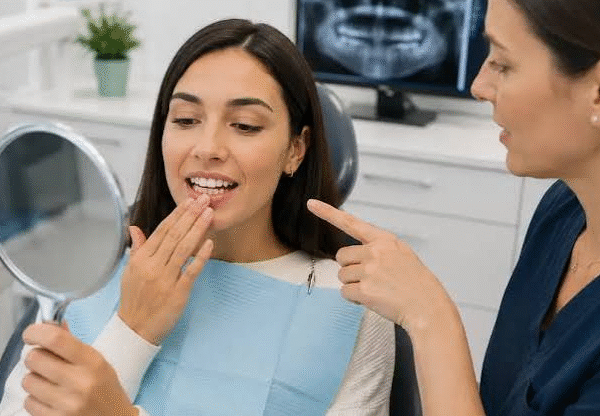
You may not think much about chewing on a pen cap during work or crunching ice at the end of a drink. It feels harmless, almost automatic. Then one day your tooth feels rough, your jaw aches, or you notice a small chip that was not there before. That is usually the moment these habits stop feeling minor, and a Joliet dentist can help identify the damage.
Why pen chewing and ice chewing damage teeth in different ways comes down to texture, force, and repetition. Pens tend to wear down and strain specific teeth over time, especially the front teeth. Ice is hard and brittle, so it is more likely to cause sudden chips, cracks, and damage to fillings or crowns. Both habits can also feed jaw tension, which matters if you already clench or grind your teeth.
If this sounds familiar, you are not overreacting. Small daily habits often cause the kind of dental problems that sneak up on you. They do not always hurt right away, and that delay makes them easy to ignore until the repair is more expensive and more involved than you expected.
Pen chewing wears teeth down in a slow, targeted pattern
Chewing on pens usually creates repeated pressure in the same spots. Most people grip a pen with the front teeth or the teeth just beside them, then bite down lightly over and over while reading, driving, or working. That repeated contact can flatten edges, wear enamel, and create tiny stress points in the teeth.
The problem is not just the plastic. It is the habit loop. You may do it for ten minutes and not notice, then repeat it every day for months. The damage builds quietly. A tooth edge may become thinner. A filling near the biting edge may loosen. The jaw muscles may stay tense longer than they should, which adds another layer of strain.
Pen chewing also brings germs into your mouth. Objects that spend time in your hand, bag, desk, or car are not clean, even if they look fine. That does not mean every pen causes a health issue, but it does mean the habit has more downsides than most people realize.
Ice chewing creates sharp impact and sudden fractures
Ice is different because it is hard enough to challenge enamel directly. When you crunch ice, your teeth absorb a quick, concentrated force. Enamel is strong, but it is not meant to crush frozen cubes again and again. That is why ice chewing and tooth damage often show up as chipped enamel, cracked teeth, or broken dental work.
A lot of people assume ice is safe because it is just water. The issue is not what it is made of. The issue is its hardness. The University of Utah Health explains why chewing ice is not good for your teeth, especially if you already have fillings, veneers, crowns, or weak spots from past decay.
The risk rises fast if a tooth already has a hidden crack. You bite down on ice, feel a sharp zing, and suddenly chewing on one side hurts. That can lead to a simple bonding repair, or it can turn into a crown or root canal if the crack runs deeper. The cost difference between those outcomes is significant.
Both habits can make clenching and grinding worse
People who chew pens or ice often have another factor in the background, jaw tension. If you already wake up with sore cheeks, morning headaches, or sensitive teeth, there may be some grinding or clenching in the mix. The NIH offers a helpful overview of bruxism and jaw clenching, including common signs and why the damage is not always obvious at first.
This overlap matters because stressed teeth break more easily. A tooth that is already under pressure from clenching may not tolerate ice well. A front tooth that is already worn from pen chewing may chip faster than you would expect. Habits rarely happen in isolation. They stack.
Ice chewing can also point to a medical issue in some cases. Persistent cravings for ice may be linked to iron deficiency. MedlinePlus explains iron deficiency anemia symptoms and causes, and pagophagia, or compulsive ice chewing, can sometimes be part of that picture. If you feel driven to chew ice every day, not just tempted now and then, it is worth bringing up with both your doctor and your dentist.
Pen chewing and ice chewing create different dental risks
| Habit | How It Affects Teeth | Most Common Damage | Extra Concerns |
|---|---|---|---|
| Pen chewing | Repeated pressure on the same teeth, often front teeth | Worn enamel edges, small chips, loosened fillings, jaw soreness | Bacteria from objects, muscle tension, habit is often unconscious |
| Ice chewing | Hard impact against enamel and existing dental work | Sudden chips, cracked teeth, broken crowns or fillings, tooth sensitivity | May be linked to iron deficiency, damage can be immediate |
The pattern matters when a family dentist examines your teeth. Slow wear on the front edges often points to a chewing or clenching habit. A sharp fracture on a back tooth often lines up with hard foods or ice. Knowing the cause helps shape the fix and helps prevent the same repair from failing later.
See also: Rethinking Women’s Health Education
Small changes now can prevent larger dental work later
Step 1: Replace the habit, not just the object. If you chew pens during focus-heavy tasks, keep sugar free gum, a silicone chew tool made for adults, or even a stress ball nearby. If you crave ice after drinks, switch to cold water without ice chunks or let ice melt a bit before sipping. Habits are easier to stop when your hands and mouth have another job.
Step 2: Pay attention to patterns in pain and sensitivity. A rough tooth edge, a click in your jaw, pain when biting, or a filling that feels high after chewing ice all deserve attention. Those signs often appear before major damage. Tooth damage from chewing hard objects does not always look dramatic at first, but early treatment is usually simpler and less costly.
Step 3: Schedule a dental exam before a small crack becomes a bigger repair. A dentist can spot wear facets, hairline fractures, weak fillings, and signs of grinding that you cannot see at home. In many cases, a basic exam, smoothing a chipped edge, adjusting a bite issue, or recommending a night guard can prevent a crown or root canal later. That is where a general and family dental approach helps, because the goal is not just fixing one tooth. It is protecting the whole pattern.
Protecting your teeth starts with noticing what your mouth does every day
These habits are common, and they are easy to brush off because they feel small. Your teeth still pay the price. Pen chewing usually causes gradual wear and repeated strain. Ice chewing is more likely to cause sudden breaks and cracks. Both can push already stressed teeth closer to damage.
If you have noticed sensitivity, chipping, jaw soreness, or a habit you cannot seem to stop, a visit with a family dentist can give you a clear picture of what is happening and what to do next. Catching the pattern early often means less treatment, less cost, and a much easier fix.