Living in a city doesn’t mean you have to give up on gardening. In fact, more urban residents are discovering the benefits of growing their own herbs, vegetables, flowers, and leafy greens at home.
Whether you have a balcony, rooftop, patio, windowsill, or a small indoor growing area, starting plants from seed can be an affordable and rewarding way to create a thriving garden.
While urban gardening often comes with space limitations, successful seed starting is still possible with the right techniques and materials.
Start with the right seeds
Not all plants are equally suited to urban gardens. When space is limited, focus on varieties that grow well in containers and smaller environments.
Some popular options include basil, parsley, lettuce, spinach, cherry tomatoes, peppers, and microgreens. Choosing plants that match your available space and growing conditions can improve your chances of success.
Understand your growing space
Before starting seeds, evaluate the conditions available in your home or outdoor area.
Consider how much sunlight the space receives, available room for containers, temperature fluctuations, and access to water.
Many vegetables and herbs require at least six hours of sunlight per day. If natural light is limited, supplemental grow lights may help support healthy seedling development.
Choose suitable containers
Urban gardeners often need to get creative with container choices.
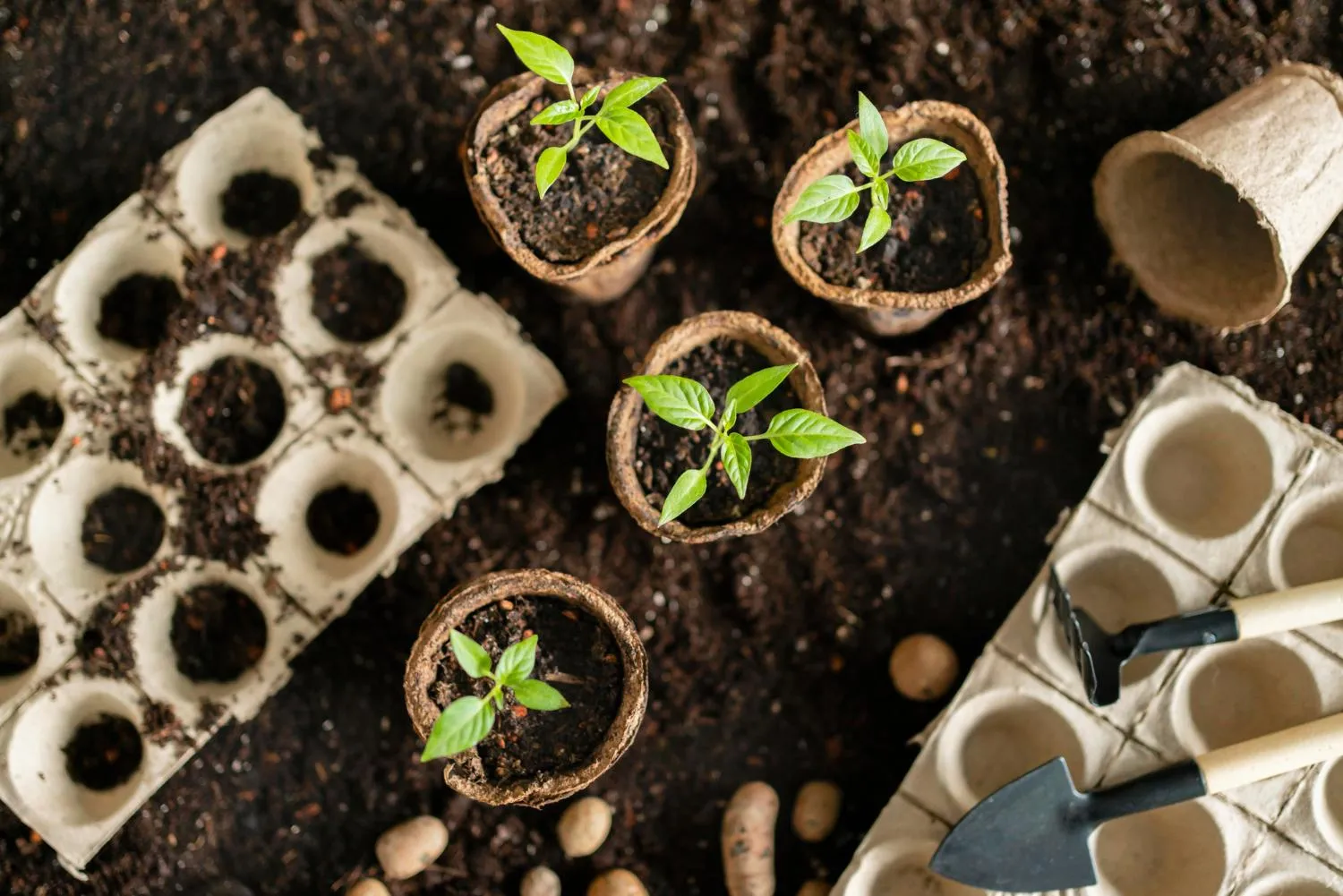
Seed trays, recycled containers, small pots, and window boxes can all work well for seed starting. Whatever container you choose, ensure it has proper drainage to prevent excess moisture from building up around the roots.
Starting seeds in appropriately sized containers also makes transplanting easier later on.
Use a quality growing medium
The growing medium you choose plays an important role in seed germination and early growth.
Many gardeners prefer coconut coir as a seed-starting medium because it is lightweight, retains moisture well, and provides good aeration for developing roots. Made from coconut husk, coconut coir has become a popular alternative to traditional peat-based products.
Some benefits of coconut coir include excellent water retention, improved airflow around roots, lightweight handling, and renewable sourcing.
Many seed-starting mixes combine coconut coir with other materials to create an ideal environment for germination.
Don’t overwater
Overwatering is one of the most common mistakes new gardeners make.
Seeds need moisture to germinate, but overly wet soil can lead to problems such as mold, fungus, and poor root development.
Aim to keep the growing medium consistently moist rather than saturated. A spray bottle can be useful for watering delicate seedlings without disturbing them.
When using coconut coir, pay attention to moisture levels, as its water-holding capacity may differ from traditional soil mixes.
Provide consistent warmth
Most seeds germinate best when temperatures remain stable. Depending on the plant variety, ideal germination temperatures often range between 18°C and 24°C (65°F to 75°F).
Urban gardeners can help maintain warmth by placing seed trays near sunny windows, using heat mats, or choosing warm indoor locations. Consistent temperatures encourage faster and more reliable germination.
Give seedlings plenty of light
Once seeds sprout, adequate light becomes essential. Without enough light, seedlings may become tall, weak, and leggy as they stretch toward available light sources.
To promote healthy growth, place seedlings in bright locations, rotate trays regularly, and consider grow lights if sunlight is limited. Strong light helps produce sturdy stems and healthier plants.
Maximize small spaces
One of the biggest challenges urban gardeners face is limited growing space. Fortunately, there are many ways to make the most of available areas.
Consider vertical planters, shelving units, hanging baskets, balcony gardens, and compact indoor growing systems.
Starting seeds indoors allows you to use space efficiently before transplanting seedlings into their final containers.
Label everything
Many seedlings look surprisingly similar when they first emerge.
Using labels helps you track planting dates, identify varieties, monitor germination rates, and plan future care. Simple labels can save confusion as your garden grows.
Thin seedlings when necessary
It can be difficult to remove healthy seedlings, but overcrowding often leads to competition for light, water, and nutrients.
Once seedlings develop their first true leaves, thinning may be necessary to give the strongest plants enough room to grow.
Proper spacing encourages stronger roots and healthier development.
See also: How to Develop a Strong Business Identity
Harden off before moving outdoors
If seedlings are started indoors, they need time to adjust before being exposed to outdoor conditions.
This process, known as hardening off, involves gradually introducing plants to sunlight, wind, temperature changes, and outdoor humidity.
A slow transition helps reduce transplant shock and improves survival rates.
Consider sustainability
Many urban gardeners are drawn to seed starting because it supports a more sustainable lifestyle.
Growing plants from seed can reduce food miles, lower gardening costs, minimize packaging waste, and encourage greater self-sufficiency.
Using renewable materials such as coconut coir can further support environmentally conscious gardening practices.
Final Thoughts
Urban gardening proves that you don’t need a large backyard to grow healthy plants. With the right planning, containers, and growing conditions, city residents can successfully start seeds and enjoy fresh herbs, vegetables, flowers, and greens at home.
Whether you’re gardening on a balcony, windowsill, or in a small apartment, seed starting offers an accessible and rewarding way to bring more greenery into urban life.