Body scanners are best known as security tools at airports and other controlled sites. As digital health services expand, the idea of collecting information about the body outside a clinic is also attracting attention. But security screening and health assessment are different uses, and a scanner designed to find concealed objects should not be treated as a medical diagnostic device.
Body scans are moving beyond the clinic
In security settings, a body scanner can help operators screen people for concealed items. Technologies vary: some systems use millimeter waves, while others use low-dose X-rays or terahertz signals. Their purpose is to support security checks, not to provide a general picture of someone’s health.
As interest in digital health grows, people may encounter more tools that collect body-related information outside traditional appointments. These can include connected devices and health apps, as well as imaging technologies used in specific settings. The technology and purpose matter: a security scan is not interchangeable with a clinical examination.
See also: The Innovation Lifecycle in Technology
Dutch insurers are testing new ways to assess health
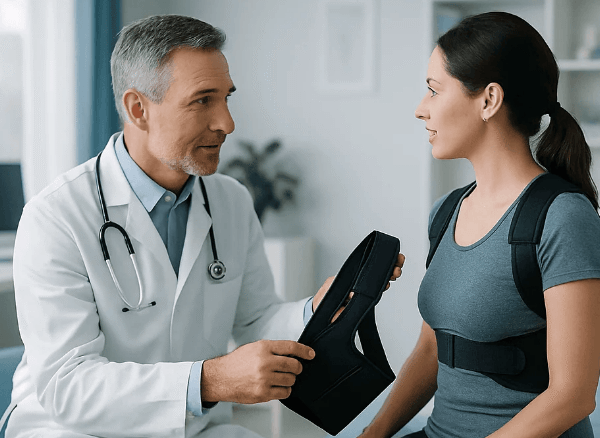
Insurers and healthcare organisations may explore digital tools to help assess health needs or support prevention. Any such use should be based on suitable evidence, a clear purpose and appropriate clinical oversight. A body scan alone cannot establish a diagnosis or replace a consultation with a qualified healthcare professional.
It is also important to distinguish a proposed trial from an established service. Before taking part, people should be told what information is collected, how it will be interpreted, who will see it and whether participation affects any insurance decision. These details help people judge whether a programme is relevant to them.
Digital health apps turn scan data into everyday insights
Apps can make health information easier to review by presenting measurements, trends or reminders in one place. However, the value of an insight depends on the quality and meaning of the data behind it. A result from a security scanner should not be presented as a health measurement unless the system has been validated for that purpose.
When a scanner is used in its intended security role, its output is generally aimed at helping trained staff identify potential threats. InsTech Netherlands supplies body scanners among a wider range of security-screening equipment for settings such as airports, transport facilities and public-security sites. That context is different from using an image or scan result to guide personal medical decisions.
Privacy and consent shape how body scans are used
Body scans can involve sensitive information, so organisations should explain what is captured and what happens to it. People should be able to understand whether images are stored, how long records are kept, who can access them and whether data is shared with other organisations. Clear answers are especially important when scans are linked to health or insurance services.
Consent should be informed and meaningful. People need a straightforward explanation of the purpose of a scan, the available alternatives and any consequences of declining. Where a scan is required for a security process, that requirement should be distinguished clearly from optional health assessments or app features.
Better care depends on clear rules and reliable results
For body scanning to support healthcare, the technology must be suitable for the specific health question and its results must be assessed reliably. Independent evaluation, transparent limitations and appropriate professional review can help prevent misleading conclusions. Security approvals or operational experience do not, by themselves, establish that a scanner is medically validated.
Clear rules also help organisations use scan data responsibly. They should define who is accountable for interpreting results, how errors can be corrected and how personal information is protected. With those safeguards in place, digital tools can complement care without confusing security screening with medical assessment.