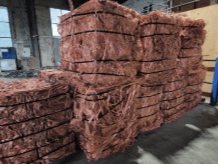
Source: https://drive.google.com/drive/folders/1hXZsxlefzzEEvAv36LcbRbbkyZ-uWjAD
Most people picture a scrap yard as a heap of rusted metal sitting in the sun, waiting for someone to cart it off. The reality behind scrap metal recycling Melbourne operators run every day looks far more like a production line. Each load that crosses the weighbridge begins a sequence of weighing, tipping, sorting, processing and grading. That sequence ends in a shipping container bound for a mill overseas, often thousands of kilometres from the yard gate. Once you watch it happen, the offcuts piling up behind your workshop start to look different.
One load explains this better than any general description. Picture a truck leaving a Campbellfield fabrication shop with mixed steel offcuts, a drum of copper cable and a few aluminium extrusions. What follows is scrap metal recycling Melbourne yards carry out hundreds of times a week, and the chain is more precise than most site managers expect.
The Weighbridge Sets the Number That Counts
The truck drives onto the weighbridge fully loaded. The weight gets recorded, the driver tips the load, then the empty truck returns to the same weighbridge. The difference between those two figures is the tare weight, and that figure decides payment.
This sounds obvious, and perhaps it is. Plenty of people still turn up with wet timber, soil or concrete mixed through their steel. All of that gets weighed too, then deducted or rejected once the sorting starts. Clean loads move faster and settle faster.
Sorting Ferrous and Non-Ferrous Scrap Metal on the Yard Floor
After tipping, the load stops being one item and becomes several. Sorting separates materials by type because each follows a different path from here.
- Ferrous metals such as steel and cast iron contain iron and stick to a magnet.
- Non-ferrous metals, including copper, aluminium, brass and lead, do not.
- Mixed items like motors and radiators get broken down into their separate components.
- Contaminated material, plastic-coated cable and non-metal waste get pulled aside.
Magnets handle the heavy lifting for steel. Eddy current separators push aluminium off a conveyor belt using magnetic fields. Trained hands do the rest, because a machine still struggles to tell brass from bronze by sight.
Here is why sorting matters so much to the final payment. Copper wire stripped clean sits in a higher grade than the same wire with insulation attached. Mixed aluminium alloys sell for less than a bin of the same alloy family. Separation done at the source, before the truck ever leaves the site, tends to pay for itself.
Processing: Shearing, Baling and Size Reduction
Sorted metal is rarely the right shape for a furnace. Long beams, car bodies and awkward frames all need reducing before anyone will buy them.
Hydraulic shears cut heavy steel into manageable lengths. Balers compress lighter material into dense blocks. Shredders break larger items into fist-sized pieces. The aim is consistent, dense material that stacks tightly and melts evenly.
Density drives economics at this stage. A container holds a fixed volume, so loose material wastes space that a buyer has already paid for. Processing turns an awkward pile into a product with predictable weight per cubic metre.
Grading Decides Where the Metal Ends Up
Every processed pile gets a grade. Grades describe purity, size, alloy and contamination level, and international buyers order against those specifications rather than against photographs.
Get a grade wrong and the whole consignment can be rejected at the destination port. That risk explains why yards inspect material more than once, and why they sometimes reclassify a load after the customer has already guessed at its worth.
The environmental case sits behind these grades. According to the International Aluminium Institute, producing aluminium from recycled material uses 8.3 gigajoules per tonne compared with 186 gigajoules per tonne for primary production, a saving of around 95 per cent. Clean, well-graded scrap keeps that saving intact.
Loading the Shipping Container for Export
Graded metal gets weighed again, documented and loaded. Export paperwork records the material type, grade, weight and origin, and customs requirements apply on both ends of the voyage.
From Melbourne, containers travel to mills across Asia and beyond, where the metal gets melted and rolled into new product. Steel from a Thomastown yard might return to Australia years later as reinforcing bar. That loop takes months, sometimes longer, and nobody at the yard ever sees the finished result.
See also: Best Business Setup Company in Dubai: How to Choose the Right Business Partner
What This Chain Means for Melbourne Businesses
The chain only works at volume, which shapes what gets collected and what doesn’t. SRS Metals provides pickup for large commercial and construction sites, where bin hire and truck collection suit the quantities involved. Manufacturing offcuts, demolition steel and decommissioning material all fit that model.
Smaller household quantities work differently. Those items need to be brought to the yard by the owner, and some people hire a truck to manage the trip. Sending a collection vehicle out for a small load doesn’t justify the cost of the run.
To Conclude
Next steps are straightforward for any business generating regular metal waste. Ask about bin sizes, collection scheduling and the grades your material is likely to reach. SRS Metals works with commercial and construction operations across Melbourne and Tasmania, and you can send enquiries to enquiries@srsmetals.com.au.
The metal behind your workshop already has a destination. The sorting you do today decides how much of its worth survives the trip.