You might be feeling a mix of hope and worry right now. Maybe you have missing teeth and your dentist mentioned implants, which sounded promising at first, but then the word “periodontal disease” came up and everything suddenly felt more complicated. You start wondering if your gums are “too far gone,” if implants will fail, or if you are about to spend a lot of money on something that might not last, and whether you should see a periodontist in Thousand Oaks, CA.
If that sounds familiar, you are not alone. Many people only hear about gum disease when it is already advanced, and by then they are scared it has ruined their chances for a confident smile. The good news is that treating your gums first can dramatically shift the odds in your favor. In simple terms, healthy gums and bone give dental implants a much better chance to succeed and to last.
Here is the short version. Periodontal treatment helps control infection, preserves and rebuilds bone, creates a stable foundation for the implant, and reduces the risk of long-term complications. When your gum health is managed, implant treatment is safer, more predictable, and more comfortable, both now and years from now.
So, where does that leave you if you are dealing with gum problems and thinking about implants?
Why do unhealthy gums put dental implants at risk in the first place
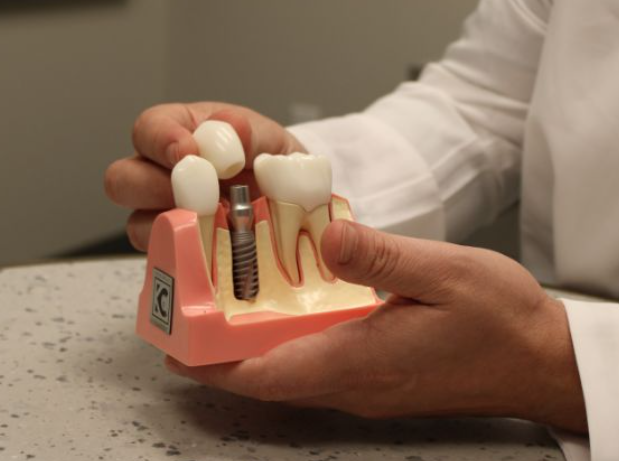
To understand why periodontal treatment for implant success matters, it helps to picture what an implant actually needs to work. An implant is a small titanium post placed into your jawbone. Over time, the bone grows around it and locks it in place. That process is called osseointegration. For that to work well, you need three things. Clean, infection-free gums. Sufficient healthy bone. And good daily care afterward.
When you have untreated periodontal disease, all three are threatened. The infection is caused by bacteria that irritate your gums, create deep pockets, and slowly destroy the bone that holds your teeth, and eventually your implants, in place. If that infection is still active when an implant is placed, it can spread around the new implant and trigger a condition called peri-implantitis, which is essentially gum disease around an implant instead of a natural tooth.
According to the U.S. Food and Drug Administration, dental implants can be a safe and effective option, but they are not risk-free, especially if gum health is poor. You can read more about that on the FDA’s page on what you should know about dental implants.
So, the problem is not the implant itself. The problem is the environment the implant is placed into.
Reason 1. Periodontal treatment removes infection before it can attack your implant
Think of active gum disease as a slow, steady fire in your mouth. You would not build a new house in the middle of a burning forest. In the same way, you do not want to place an implant into infected tissue.
Periodontal treatment focuses on removing the bacteria and hardened deposits that fuel that fire. Deep cleaning procedures, called scaling and root planing, smooth the roots of your teeth and clean below the gumline. In more advanced cases, surgical treatment may be needed to reach and clean deep pockets or reshape the gum and bone around your teeth.
When the infection is brought under control, your gums are less inflamed, pockets can become shallower, and the bacterial load in your mouth drops. This means that when an implant is placed, it is not immediately surrounded by harmful bacteria. The risk of early implant failure or peri-implantitis is significantly lower.
Reason 2. Treating gum disease helps protect the bone your implant depends on
Gum disease is not just a “bleeding gums” problem. It is a bone loss problem. As the disease progresses, the bone that supports your teeth is slowly resorbed. That same bone is exactly where an implant needs to be anchored.
Without enough bone, an implant may be unstable, or it may need additional procedures like bone grafting. Research has shown that periodontal therapy can help slow or even stop this bone loss by removing the cause of chronic inflammation. Some studies, such as those reviewed in recent periodontal and implant research on periodontal and peri-implant conditions, suggest that careful maintenance after treatment helps preserve both natural teeth and implants over time.
In some cases, your periodontist may recommend bone grafting or regenerative procedures as part of your gum treatment plan. While this can sound daunting, it is often what makes it possible to place an implant with confidence later on.
See also: Best Business Setup Company in Dubai: How to Choose the Right Business Partner
Reason 3. Healthier gums create a better seal and protect the implant long term
Even after an implant is fully integrated into the bone, your gums still play a crucial protective role. Healthy gum tissue forms a tight seal around the implant. This seal acts like a barrier that blocks bacteria from moving down along the implant surface and attacking the bone.
When gums are inflamed, thin, or receding from past disease, that seal is weaker. Bacteria can slip through more easily. Over time, this can erode the bone around the implant and cause it to loosen.
Periodontal treatment focuses not only on cleaning, but also on creating healthier, more stable gum contours. Sometimes this includes small surgical procedures to adjust tissue or reduce deep pockets. The goal is a mouth that is easier to keep clean and gums that can protect both your natural teeth and any implants you receive.
Reason 4. Ongoing periodontal maintenance keeps your results from slipping away
Many people assume that once the implant is in and the crown is on, the work is over. In reality, that is where the maintenance phase begins. Implants do not decay like natural teeth, but they can absolutely be lost to gum infection if plaque is allowed to build up.
This is why ongoing periodontal maintenance is such a key part of gum disease treatment for better dental implant outcomes. Regular checkups, professional cleanings tailored to implants, and careful monitoring of pocket depths around both teeth and implants all help catch problems early. A recent review on risk factors for peri-implant disease highlights poor oral hygiene and a history of periodontitis as important risks. The common thread is that ongoing care makes a real difference.
So while it may feel like “more appointments” now, that maintenance plan is what helps protect your investment and your comfort long term.
How does periodontal treatment change your choices and risks
At this point you might be wondering whether it is really worth treating gum disease first, or if you should just move ahead with implants and hope for the best. It can help to see the differences side by side.
| Aspect | Implants without periodontal treatment | Implants after periodontal treatment |
|---|---|---|
| Infection risk | Higher risk of early and late infection around implants | Lower risk because active gum infection is controlled |
| Bone support | Ongoing bone loss may continue, threatening implant stability | Bone loss is slowed or stabilized, improving support |
| Gum health and comfort | Persistent bleeding, bad breath, and tenderness are more likely | Gums are calmer, less tender, and easier to keep clean |
| Long term success rates | Higher chance of peri-implantitis and implant failure over time | Improved odds of long-term implant survival with proper care |
| Overall cost over time | May seem cheaper at first, but costly if implant fails | More upfront care, but better protected investment long term |
Seeing the comparison, it becomes clearer why a careful periodontist will insist on treating gum disease first. It is not to delay you. It is to protect you.
Three steps you can take right now to protect your implant future
1. Get an honest periodontal evaluation before any implant plan
Ask specifically for a gum and bone assessment, not just a quick “everything looks fine.” That usually means measuring the pocket depths around each tooth, taking appropriate X-rays or 3D scans, and reviewing your medical history. Be open about any bleeding, bad breath, or loose teeth you have noticed. The clearer the picture of your current gum health, the better your treatment roadmap will be.
2. Commit to the recommended gum treatment, not just the implant
If you are told you need scaling and root planing, gum surgery, or bone grafting before implants, try to view it as building a foundation, not as a delay. Ask your periodontist to explain how each step supports your future implant. Understanding the “why” behind treatment often makes it easier to stay the course, even when you are tired of appointments.
3. Build daily habits that support both gums and implants
No professional treatment can replace what you do at home every day. Use a soft toothbrush, brush twice daily, and clean between your teeth and around implants with floss or interdental brushes as recommended. If you smoke, consider getting support to cut back or quit, since smoking is a major risk factor for both gum disease and implant failure. Small, consistent habits are what turn short-term treatment into long-term success.
Moving forward with more clarity and confidence
You might still feel nervous, and that is understandable. Periodontal disease, missing teeth, and the idea of surgery are a lot to carry at once. At the same time, you now know that treating your gums is not a barrier to implants. It is one of the strongest tools you have to help those implants succeed.
With a thoughtful periodontal plan, careful implant placement, and steady maintenance, a periodontist can help you move from worry about losing more teeth to a future where you can chew, smile, and speak with confidence again.
You do not have to figure out every detail today. Your next step is simply to seek a thorough periodontal assessment and start a conversation about how gum treatment and implants can work together for you.