Radio-controlled aviation has gained significant popularity among hobbyists and enthusiasts worldwide. An rc aircraft plane offers a unique combination of technical challenge, enjoyment, and the opportunity to experience flying on a smaller scale. This guide provides comprehensive information about RC aircraft planes for beginners and seasoned pilots alike, covering types, components, and useful tips to maximise flying experiences.
What Are RC Aircraft Planes?
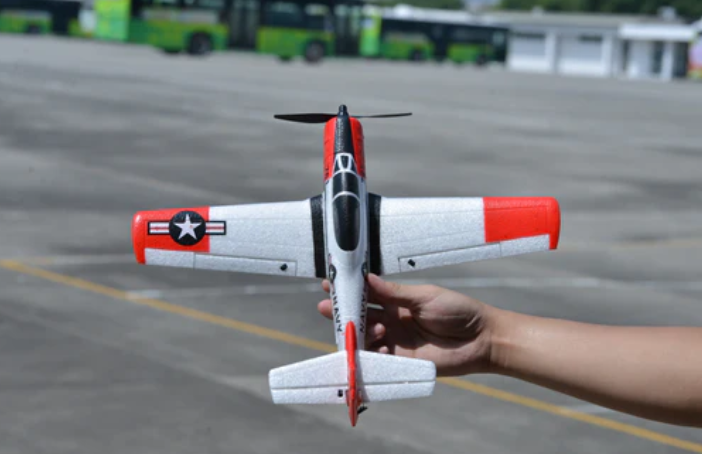
RC aircraft planes are miniature flying machines controlled remotely by operators using radio signals. These aircraft replicate the design and flight principles of full-sized planes but are built with lightweight materials and powered by electric or combustion engines. The radio transmitter sends commands to the onboard receiver, controlling the plane’s movements such as throttle, elevator, rudder, and ailerons.
Types of RC Aircraft Planes
There are various types of RC aircraft planes, each designed for specific flight characteristics and pilot skill levels. Common categories include:
Trainer Planes
Trainer planes are designed for beginners and first-time flyers. They typically feature a high-wing configuration for stability, slow flight speeds, and forgiving flight characteristics. Their durable construction helps withstand minor crashes during the learning phase.
Sport Planes
Sport planes cater to intermediate pilots looking for more speed, agility, and manoeuvrability. These aircraft allow for basic aerobatic manoeuvres and generally require a higher level of piloting skill than trainers.
Scale Models
Scale models replicate real-world aircraft with meticulous detail, often including realistic paint schemes and authentic proportions. These planes appeal to collectors and experienced operators who value aesthetic accuracy alongside flying performance.
Acrobatic Planes
Acrobatic or 3D planes are specialised for advanced aerobatics. Their design allows for extreme maneuvers such as loops, rolls, hovering, and inverted flight. These models demand significant expertise and quick reflexes to operate effectively.
Main Components of RC Aircraft Planes
Understanding the main components of an RC aircraft plane is essential for maintenance, repairs, and upgrades. Key parts include:
Airframe
The airframe forms the structural body of the plane, commonly constructed from balsa wood, foam, carbon fibre, or composite materials. A well-designed airframe provides the necessary strength while maintaining a low weight.
Power System
Electric motors powered by rechargeable batteries are the most common propulsion system today, offering clean and quiet operation. Some planes use glow engines or petrol engines for higher power and longer flight times.
Radio System
The radio transmitter and receiver system provides control signals between the pilot and the plane. Modern radios use 2.4 GHz frequency, reducing interference and allowing multiple aircraft to fly simultaneously.
Control Surfaces
Control surfaces include the ailerons, elevator, rudder, and throttle control. These surfaces manipulate the aircraft’s pitch, roll, yaw, and speed enabling precise manoeuvring.
Choosing the Right RC Aircraft Plane
Selecting an appropriate rc aircraft plane depends on factors such as experience level, intended use, and budget.
Beginners are advised to start with a trainer plane or an electric-powered ready-to-fly (RTF) model that requires minimal assembly and provides safety features such as self-stabilisation. More experienced pilots may look for sport or acrobatic planes offering better performance and customisation.
It is also vital to consider the availability of spare parts and accessories from the manufacturer or retailer to ensure ongoing maintenance is manageable.
Essential Accessories and Pit Equipment
Supporting equipment enhances the flying experience and assists with maintenance. Common accessories include battery chargers, extra batteries, tool kits for assembly and repairs, and carrying cases for transportation.
Flight simulators are recommended investments for training pilots to practice control input and flight strategies digitally before taking to the skies.
Safety and Regulations
Safe operation of RC aircraft planes requires adherence to local aviation regulations. Pilots should be aware of restricted airspace, maintain line-of-sight with the aircraft, and keep a safe distance from people and property.
Joining a recognised flying club can provide access to designated flying fields, safety briefings, and experienced guidance. Additionally, understanding the limits of the aircraft and flying within those constraints reduces the risk of accidents.
Maintenance and Troubleshooting
Regular inspection of the airframe, control surfaces, and electronics ensures reliability and extends the lifespan of the plane. Cleaning, tightening screws, checking servo operation, and battery health are routine tasks.
When troubleshooting, common issues such as control surface reversals, radio interference, or power failures can often be resolved by methodical diagnosis and reference to the user manual.
See also: 3 Ways CPAs Optimize Cash Flow For Businesses
Advancements in RC Aircraft Technology
Recent innovations in materials, battery technology, and flight controllers have improved performance significantly. Brushless motors and lithium polymer batteries provide higher power-to-weight ratios and longer flight times.
Additionally, the integration of GPS and autopilot systems enables features such as waypoint navigation and return-to-home functions, making flying safer and more accessible.
Community and Competitions
The RC aircraft community is active and supportive, with numerous clubs, forums, and social media groups dedicated to sharing knowledge and experiences. Participation in competitions and exhibitions fosters skill improvement and showcases advancements in design and piloting.
Conclusion
RC aircraft planes offer an engaging hobby that combines technical knowledge, practical skills, and a passion for aviation. Selecting the right model, understanding its components, adhering to safety regulations, and maintaining the equipment are essential to successful and enjoyable flying experiences.
For comprehensive options and expert advice, enthusiasts can explore a wide range of models and accessories available from specialised retailers such as rc aircraft plane suppliers.