You finally got through the braces or aligners. The appointments, the soreness, the little rules about what you could and could not eat. You did all of that because you wanted a confident, healthy smile from clear aligners in Festus, MO. Now your treatment is “finished” and you are being told you need to wear retainers, maybe for years, maybe at night, maybe “for life.” It can feel a bit overwhelming and even unfair.end
You might be wondering why, after all that effort, your teeth are not simply “fixed” forever. You might feel guilty if you have already forgotten your retainers a few nights, or anxious because they feel tight and you are worried you have already messed things up. If that is you, you are not alone. Almost everyone who finishes orthodontic care has the same questions and fears.
Here is the short version. Orthodontic treatment moves your teeth into a better position. Retainers keep them there while your bones and gums adapt. Without retainers, your teeth will try to move back. With consistent wear, you protect the time, money and effort you already invested and you keep your smile stable and comfortable.
Why do teeth move after braces, and why do retainers matter so much?
Think about how long your teeth sat in their old positions. For years, your teeth, jawbone and gums settled into a pattern. Braces or aligners changed that pattern in a relatively short time. The bone around your teeth is softer right after treatment. The tiny fibers in your gums still “remember” the old alignment. Because of that, your teeth are tempted to drift.
This is where retainer use after orthodontic treatment comes in. A retainer is not an optional extra. It is the second half of the process. Treatment moves the teeth. Retention holds the result while your body catches up and stabilizes.
So where does that leave you if you are tired of rules and just want to be done? It helps to understand what can actually happen if retainers are ignored or used only now and then.
See also: How Luxury Villas Offer a Better Work-Life Balance in Bangalore
What really happens if you skip or stop wearing your retainers?
At first, it might seem like nothing is changing. You miss a few nights. Your retainer still fits, maybe just a bit snug. That snug feeling is your early warning sign. It means your teeth have started to move and the retainer is trying to guide them back.
If you keep skipping, a few things can follow.
Cosmetically, small gaps can reappear, front teeth can start to overlap, and your bite can shift just enough that your smile no longer looks like it did on “braces off” day. Emotionally, that can feel very discouraging. You went through all that work, and suddenly your reflection does not match the effort you put in.
Functionally, changes in your bite can affect how you chew and how your teeth wear over time. Some people notice new chipping on front teeth or uneven wear on back teeth. Others notice their jaw feels different or more tired. In some cases, the changes are minor. In others, the shifting is strong enough that a second round of treatment is needed to fix what moved.
Financially, that is where the pain can really show up. A replacement retainer is usually far less expensive than retreatment. Yet many people only realize this when they are facing the cost of new braces or aligners because they stopped retention too early.
If you want a clear, clinical explanation of how and when to wear removable retainers, you can read these NHS instructions on wearing your retainers. They spell out what most orthodontists say as well. Wear them as directed now, so you do not have to correct things again later.
Fixed vs removable retainers: which is easier to live with long term?
Different types of retainers come with different responsibilities. Some are glued behind the teeth. Some are clear plastic trays. Some are wire and acrylic. Each has strengths and trade offs, and it helps to see them side by side before you decide how careful you need to be.
| Type of retainer | What it is like | Main benefits | Main challenges | Best for |
|---|---|---|---|---|
| Fixed (bonded) retainer | Thin wire glued behind front teeth. Not removable by you. | Stays in all the time. No need to remember to wear it. Good for preventing front teeth crowding. | Harder to clean around. Can collect plaque if brushing and flossing are rushed. Can come loose and need repair. | People who know they may forget removable retainers or had crowded front teeth. |
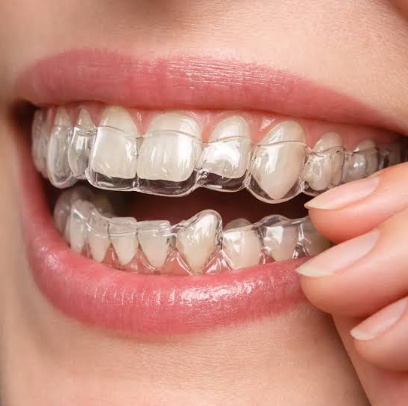
| Removable clear retainer | Transparent tray that fits over teeth. | Almost invisible. Easy to clean. Can be removed for eating and brushing. | Easy to forget or misplace. Can warp if exposed to heat. Teeth can shift if not worn as instructed. | People who are disciplined with routines and want a discreet option. |
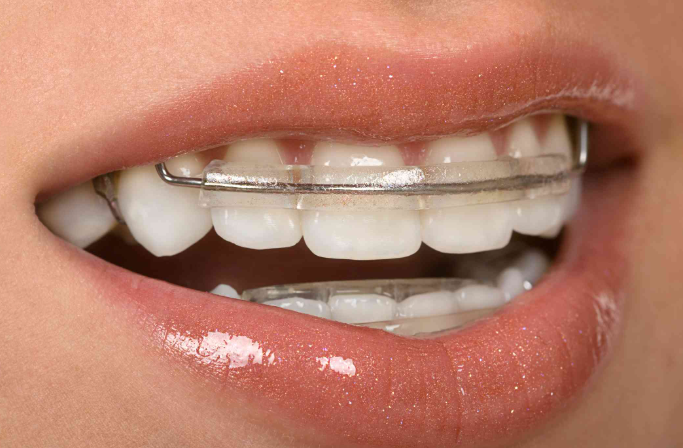
| Removable wire and acrylic retainer | Plastic plate on the palate with a wire across the front teeth. | Durable and adjustable. Good long term stability. Less likely to warp from minor heat. | More visible. Can affect speech at first. Also easy to lose if not stored properly. | People who want a sturdy, long lasting retainer and do not mind a more noticeable design. |
None of these options are perfect. All of them work when used and cared for. That is why your orthodontist might suggest a mix. For example, a fixed wire behind the front teeth and a removable clear retainer to wear at night. You can read more about the different designs and why orthodontists recommend them through this American Association of Orthodontists overview of retainers.
How long do you really need to wear retainers after orthodontic work?
This is the question almost everyone asks. You may have heard “for a year” from one person and “for life” from another. That can sound scary. What your orthodontist is usually trying to say is simple. Your teeth can shift at any age. The longer you want them to stay in their corrected position, the longer you should keep some level of retention.
In the early months after braces or aligners, wear is usually full time, except when eating or brushing. That is when your teeth are most unstable. After that, your orthodontist may move you to night time wear. Over time, many people settle into a pattern of wearing retainers a few nights a week as “insurance” for their smile.
Think of it like wearing a seatbelt. You hope you never need it, but you use it because you want to protect something important. Post orthodontic retainers serve that same protective role for your teeth and your confidence.
Three simple steps you can take right now to protect your smile
1. Create a non negotiable retainer routine
Habit beats willpower. Choose specific cues that remind you to wear your retainers. For example, after you brush at night, the retainers go in. In the morning, they go straight into their case by the sink, not on a tissue, not in a pocket. If you travel, pack your retainer case with your toothbrush so you do not leave it behind.
If you live with someone, tell them your plan and ask them to nudge you in the first few weeks. Once the routine is set, it becomes automatic and much less stressful.
2. Check the fit regularly and act early if something feels wrong
Every time you put your retainers in, pay attention for a moment. A little snugness after a missed night can be normal. Painful pressure, areas that do not seat fully, or visible gaps between the retainer and your teeth are warning signs.
If your retainer suddenly does not fit or you notice visible shifting, contact your orthodontist sooner rather than later. Small changes can often be corrected with adjusted wear or a new retainer. Waiting months can mean more complex treatment is needed.
3. Protect your investment with basic care and backups
Rinse your retainers each time you remove them. Brush them gently with a soft toothbrush and cool water. Avoid hot water, which can warp plastic. Keep them in a hard case when not in your mouth. Many people lose retainers by wrapping them in a napkin at meals and accidentally throwing them out.
If you can, ask your orthodontist about having a backup set, especially if you are prone to losing things or travel often. A spare retainer at home can prevent days or weeks without retention if something breaks or goes missing.
Holding onto the smile you worked so hard for
You put time, money and emotional energy into straightening your teeth. Feeling tired at the end of treatment is natural. Wanting to be “done” is natural too. Even so, retainers after orthodontic work are not a punishment. They are your safety net.
With consistent wear and simple care, retainers become just another quiet part of your routine, like washing your face at night. You do not need to think about them all day. You just need to respect that they are what keeps your teeth where you want them.
If you feel discouraged because you have been inconsistent, it is not too late to reset. Reach out to your orthodontist, be honest about how things have been going, and ask what can be done now. The goal is not perfection. The goal is a stable, healthy smile that still feels like “you” many years from now, supported by the steady habit of using your orthodontic retainers wisely.