You might be feeling the loss before you even say a word. A missing front tooth changes how you smile, how you speak, and sometimes how willing you are to be seen in photos, at work, or even across the dinner table. If the tooth was lost in an accident or from decay, the shock can be just as hard as the physical discomfort. The good news is that front tooth replacement is often very possible, and the right plan can restore both function and appearance. In many cases, Bay Smiles in Berkeley CA, an implant and cosmetic dentist, can rebuild the smile in stages, with careful attention to bone, gum shape, bite, and the way the final tooth blends in.
Why does losing a front tooth feel like such a big change?
Because it is a big change. Front teeth do more than fill space. They frame your smile, support clear speech, and help guide the bite. When one is missing, you may notice a whistle in certain words, a habit of covering your mouth, or a fear that people are staring. If the tooth was knocked out, there may also be urgency around timing. The MedlinePlus guidance on knocked out teeth explains that fast action can matter in dental trauma, especially when a natural tooth might still be saved.
So, where does that leave you if the tooth cannot be saved? This is where How Implant And Cosmetic Dentists Rebuild A Smile After Front Tooth Loss becomes less about one procedure and more about a sequence. First, the area has to heal or be stabilized. Then the dentist looks at bone support, gum contour, neighboring teeth, and your bite. Only after that can the final replacement be chosen with confidence.
See also: Why Preventive Dentistry Contributes To A Better Quality Of Life
How does an implant and cosmetic dentist decide what your smile needs?
The plan depends on what was lost along with the tooth. Sometimes the root is gone but the bone is still strong. Sometimes trauma damages bone and soft tissue too, which makes the case more complex. An implant and cosmetic dentist looks at both function and appearance, because a front tooth has to do both jobs well.
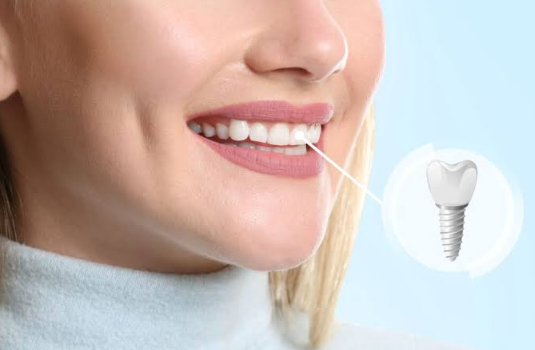
If an implant is the best choice, the dentist places a titanium post in the jawbone to act like a new root. The FDA overview of dental implants outlines how implants work and why careful planning matters. After healing, a custom crown is attached. In the front of the mouth, that crown is shaped and shaded to match the nearby teeth, and the gumline is often just as important as the tooth itself.
What if an implant is not the right first move? A bridge may be used in some cases, especially if the teeth next to the space already need crowns. A temporary tooth can also help protect your appearance while the site heals. This is one reason smile restoration after tooth loss often takes time. Rushing can lead to a result that looks flat, bulky, or uneven at the gumline.
What practical options are usually compared after front tooth loss?
When you are trying to make a decision, it helps to see the tradeoffs clearly. Cost matters. Timing matters. Appearance matters. So does preserving bone and protecting nearby teeth.
| Option | How it works | Main benefits | Main concerns |
|---|---|---|---|
| Dental implant with crown | A post is placed in the bone, then restored with a custom crown | Does not rely on adjacent teeth, helps support bone, strong natural look | Needs healing time, may require grafting, higher upfront cost |
| Fixed bridge | A false tooth is attached to crowns on neighboring teeth | Faster in some cases, good cosmetic result | May require reshaping healthy neighboring teeth, does not preserve bone the same way |
| Temporary flipper or removable partial | A removable replacement worn during healing or as a short term option | Quick way to fill the gap, lower short term cost | Less stable, less natural feel, not a long term ideal for many people |
For children and teens, the situation is different because the jaws are still developing. In trauma cases, timing and emergency care are especially important. The AAPD dental trauma flow sheet shows how age and injury type can affect next steps.
What should you do right now if you are facing front tooth replacement?
1. Get the area evaluated early.
Even if you are not in severe pain, early imaging and an exam can protect your options. Bone can shrink after tooth loss, and that may affect whether you need grafting later. If the loss was recent, bring any details from the injury or prior dental treatment.
2. Ask to see the full smile plan, not just the tooth plan.
A single front tooth has to match color, shape, length, and gum height. Ask how the dentist will handle temporaries, healing, and the final cosmetic result. This matters in front tooth replacement far more than many people expect.
3. Compare long term value, not only the first fee.
A lower initial cost can look appealing when you are stressed. Still, it helps to ask what each option means for maintenance, neighboring teeth, and future repairs. A well planned cosmetic dental implant may cost more upfront, but it can also protect structure and appearance over time.
Can your smile really look like you again?
Yes, in many cases it can. The path may involve healing, temporary restorations, or more than one appointment, and that can feel frustrating when you want life to look normal again right away. Still, careful treatment tends to reward patience. A thoughtful implant dentist or cosmetic dentist aims for more than filling a gap. The goal is to help you speak, bite, and smile without feeling like something is missing.
If you are weighing your options after front tooth loss, take the next step and schedule a professional evaluation. A clear plan can replace a lot of uncertainty, and that alone can feel like a real start.