You might be staring at a treatment plan or a referral to an oral surgeon and thinking, “How did I get here, and what exactly is going to happen to me?” Maybe a tooth has been bothering you for months, or your general dentist mentioned implants, or you are facing surgery because of another medical condition like cancer. If you’re preparing for oral surgery in New Braunfels, TX, whatever brought you here, it is completely normal to feel nervous and a little overwhelmed.end
You are not just worried about the procedure. You are probably wondering about pain, recovery, cost, and whether this will actually fix the problem. Because of all that, most people end up circling around the same core questions. This guide walks through four of the most common questions patients ask about oral surgery, so you can feel more prepared and less in the dark.
In short, oral surgery is usually very planned and very safe. There is a big focus on your overall health, your comfort, and your recovery. There are risks, but there are also clear ways to lower them, and you have more control than you might think.
What exactly does an oral surgeon and implant dentist do, and why was I referred?
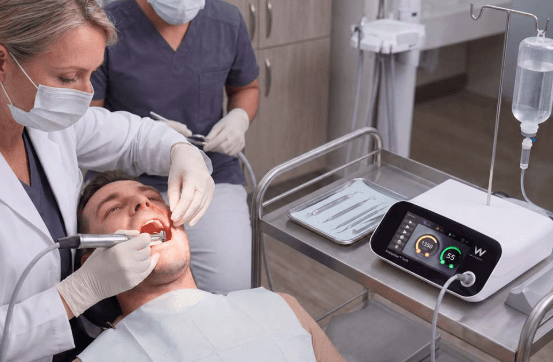
When your dentist says you need oral surgery, it can sound dramatic. You may picture an operating room and a long hospital stay. In reality, most procedures are done in a regular treatment room with local anesthesia, and you go home the same day.
An oral surgeon and implant dentist is a specialist who focuses on surgery in and around your mouth. That often includes:
- Removing impacted or damaged teeth, including wisdom teeth
- Placing dental implants to replace missing teeth
- Bone grafting to rebuild jawbone for future implants
- Treating infections, cysts, or benign growths in the jaw
- Working with your medical team if you have conditions like cancer, blood disorders, or are on certain medications
So why were you referred instead of having your dentist do it? Usually because your situation is more complex than a simple filling or extraction. Maybe the roots are close to a nerve. Maybe your medical history needs extra care. Or maybe you are considering implants, which require surgical placement in the bone.
This referral is not a sign that something is “really bad.” It is a sign that your dentist wants someone with focused surgical training to handle your care.
How safe is oral surgery, and what kind of risks should I know about?
Once you accept that surgery is needed, the next thought is often, “What can go wrong?” That fear is understandable, especially if you have heard stories from friends or seen dramatic photos online.
All surgery carries some risk. With oral surgery, the most common concerns include:
- Pain and swelling after the procedure
- Infection at the surgical site
- Bleeding that takes longer than expected to slow down
- Dry socket after tooth removal
- Temporary or rarely permanent changes in sensation, such as numbness or tingling in the lip, tongue, or chin
For many patients, the bigger, quieter risk is how surgery interacts with other health problems. For example, if you are being treated for cancer, certain therapies can affect how your mouth heals and how likely you are to develop complications. The National Institute of Dental and Craniofacial Research has clear guidance on oral complications related to cancer treatment, and your surgeon should factor this into your plan if it applies to you.
Because of these possibilities, your surgeon will spend time going through your medical history, medications, and even recent lab results. Groups like the American Association of Oral and Maxillofacial Surgeons offer structured patient assessment tools to help surgical teams identify risks early, long before you sit in the chair.
So where does that leave you? You cannot remove every risk, but you can lower it. Being honest about your health, following pre-surgery instructions, and asking questions about anything that feels unclear all make a difference.
Will I be awake, and how much pain should I expect?
You might be picturing bright lights and the sound of drills, and wondering if you will be aware of everything. The truth is that there are different levels of anesthesia and sedation, and your surgeon will recommend one based on the length and complexity of your surgery and your comfort level.
Common options include:
- Local anesthesia. Numbs the area. You are awake and aware, but you should not feel sharp pain.
- Oral or IV sedation. Helps you relax or sleep lightly. You may remember little or nothing of the procedure.
- General anesthesia. You are fully asleep. This is used for more involved surgeries or when medically appropriate.
After surgery, some soreness is expected. Most patients describe it as uncomfortable but manageable, especially in the first 24 to 72 hours. Pain is typically controlled with a combination of over the counter medication, prescription medication when needed, ice packs, and careful home care.
Research on postoperative pain management in oral surgery shows that many patients do well with scheduled non opioid medications when used correctly, which helps reduce side effects and dependence risks. Your surgeon should walk you through a clear pain control plan so you know what to take and when.
If your pain suddenly worsens a few days after surgery, or you notice a bad taste, high fever, or swelling that keeps growing, those are signs to call the office promptly.
How do the benefits of oral surgery compare to the risks and costs?
Even after you understand the procedure, you might still be stuck on the big picture. Is this worth it? Especially if you are considering something like oral surgery with dental implants, you may be balancing fear, time off work, and money.
It can help to think about the tradeoffs in a simple way.
| Option | Short term impact | Long term effect on health | Common concerns |
|---|---|---|---|
| Proceed with recommended oral surgery | Pain and swelling for several days. Time off work or school. Upfront cost. | Removes infection or damaged teeth. Can restore function and appearance. Often prevents more serious problems. | Fear of surgery or anesthesia. Worry about complications. Financial stress. |
| Delay or avoid surgery | Temporary relief from avoiding the appointment. No surgical pain right now. | Infection can spread. Bone and gum loss can worsen. Future treatment can become more complex and expensive. | Ongoing pain or sensitivity. Difficulty chewing. Anxiety about things getting worse. |
| Try non surgical or short term fixes only | May ease symptoms for a while. Less invasive at first. | Often does not address the root cause. Can postpone but not prevent needed oral surgery. | Multiple visits. Repeated costs. Frustration that the problem keeps returning. |
Every situation is different. For some people, surgery is clearly the best path to stop infection, relieve pain, or replace missing teeth so they can chew again. For others with serious medical conditions, the decision might involve your primary doctor, oncologist, or cardiologist as well as your surgeon.
The most helpful thing you can do is ask your surgeon to spell out what happens if you treat this now, and what happens if you do not.
What can I do right now to feel more prepared and in control?
When you feel powerless, worry grows. The good news is that there are simple, concrete steps you can take before and after surgery to support a smoother experience.
1. Share your full medical story, not just your dental story
Bring a list of your medications, including over the counter drugs, vitamins, and herbal supplements. Mention recent hospital stays, surgeries, or new diagnoses, even if they seem unrelated to your mouth. Blood thinners, cancer therapies, heart conditions, diabetes, and autoimmune diseases can all change how your surgeon plans your care.
If you are under the care of another specialist, ask whether your oral surgeon should have their contact information. A quick call between doctors can sometimes prevent serious complications.
2. Ask clear, grounded questions about your procedure
Before the day of surgery, try to get answers to things like:
- What exactly are you planning to do, and why is it needed now?
- What type of anesthesia or sedation will I have?
- How long will the procedure take, and how long should I plan to rest afterward?
- What should I expect in the first 24 to 72 hours?
- What warning signs mean I should call you or go to urgent care?
Writing these down and taking notes during your visit can calm a lot of background anxiety. You do not need to remember every medical term. You just need to understand the next steps and what is normal versus not.
3. Prepare your home and support system before surgery day
Recovery tends to go better if you are not scrambling afterward. Before your procedure, consider:
- Arranging a ride home and, if sedation is used, someone to stay with you for the first several hours
- Stocking soft foods like yogurt, soup, mashed potatoes, smoothies, and scrambled eggs
- Picking up prescribed medications in advance if possible
- Setting up a comfortable resting area with extra pillows and a place to keep gauze, ice packs, and water nearby
These small things do not remove the stress completely, but they can make you feel far less alone and far more ready.
See also: Rethinking Women’s Health Education
Moving forward with clarity and a bit more peace
Facing oral surgery is rarely anyone’s idea of a good day, and it is okay if you still feel uneasy. What matters is that you now understand what an oral surgery and implant treatment specialist does, what the real risks and benefits look like, and how much your own preparation can shape the experience.
You deserve clear explanations and a care plan that respects your health, your time, and your fears. Use that next appointment to ask your questions, share your concerns openly, and make decisions that feel informed rather than rushed. You are not just a case on a schedule. You are a person trying to protect your health, and that is always worth taking seriously.