Long-range observation requires dependable visibility, especially when targets or objects are difficult to identify with conventional optical equipment. thermal binoculars with 1000m detection distance provide a practical solution by detecting heat signatures rather than relying entirely on visible light. This capability makes thermal binoculars useful for outdoor observation, wildlife monitoring, search activities, property surveillance, and other situations where visibility may be limited.
For users who need dependable thermal imaging in challenging environments, Guide Outdoor offers thermal observation solutions designed to support clear viewing over extended distances. Understanding how these devices work and what features matter can help users select equipment that matches their observation requirements.
Understanding 1000m Thermal Detection Distance
A thermal binocular advertised with a 1000m detection distance is designed to identify a heat-emitting object at a distance of up to approximately one kilometer under suitable conditions. Detection does not necessarily mean that the user can recognize every detail of the object at that range.
Thermal performance depends on several factors, including the object’s size, temperature difference from the surrounding environment, atmospheric conditions, sensor resolution, lens characteristics, and environmental background. A larger or warmer object may be detectable from farther away than a small object with a weak temperature contrast.
This distinction between detection, recognition, and identification is important when evaluating long-range thermal equipment. A 1000m detection specification primarily indicates the device’s ability to notice a thermal signature rather than guarantee detailed identification at that distance.
How Thermal Binoculars Work
Thermal binoculars use infrared sensors to detect radiation emitted by objects. Every object with a temperature above absolute zero emits infrared energy. The thermal sensor captures this energy and converts it into an image that can be displayed through the binoculars’ electronic viewing system.
Unlike conventional binoculars, thermal devices do not depend on visible illumination. This means they can remain useful during nighttime conditions and in environments where normal visibility is reduced.
The resulting thermal image typically represents differences in temperature using different shades or color palettes. Hotter areas may appear brighter or more distinct from cooler surroundings, allowing users to locate heat sources against the background.
Advantages of Long-Range Thermal Observation
One of the main benefits of thermal binoculars with extended detection capability is improved awareness across large areas. Users can observe distant surroundings without needing to approach an object.
This can be particularly valuable for outdoor activities where maintaining distance is important. Wildlife observers, for example, can monitor animals while minimizing unnecessary movement through their environment. Similarly, search teams can use thermal imaging to scan broad areas for detectable heat signatures.
Thermal imaging can also provide an advantage when visibility changes. Darkness, shadows, and certain environmental conditions can make traditional optical observation more difficult. Thermal technology provides another method for locating heat-emitting objects.
Image Quality Matters
Detection distance is only one part of thermal binocular performance. Image quality also plays an important role in determining how useful a device is in practical situations.
Sensor resolution affects the amount of thermal information captured by the device. Higher-resolution sensors can generally produce more detailed thermal images, helping users distinguish between objects at appropriate distances.
Lens design is another important factor. A suitable objective lens can support long-distance observation by providing the optical characteristics needed to collect infrared radiation efficiently.
Display quality also influences the viewing experience. A clear electronic display can make thermal differences easier to interpret, particularly during extended observation sessions.
Field of View and Long-Range Observation
A thermal binocular’s field of view determines how much of the surrounding area can be seen at one time. Long-range observation often requires balancing magnification and viewing area.
Higher magnification can make distant objects appear larger, but it may reduce the visible area. A wider field of view can make it easier to scan an environment and locate thermal signatures, while additional magnification can assist with examining a distant target after it has been located.
Guide Outdoor thermal imaging solutions can be considered according to these different observation requirements, helping users select equipment based on the environments and distances in which they expect to operate.
Performance in Low-Light Conditions
One of the defining advantages of thermal binoculars is their ability to operate without depending on visible light. This makes them useful for nighttime observation and other low-light situations.
Because thermal sensors detect infrared energy, users can observe heat differences even when ordinary optical equipment becomes less effective. However, thermal imaging is not identical to standard night vision. It creates an image based on temperature differences rather than amplifying available visible light.
Environmental conditions still matter. Heavy rain, fog, humidity, and other atmospheric factors can influence thermal performance and effective viewing distance. Therefore, users should consider real-world conditions rather than relying exclusively on a maximum detection specification.
Battery Life and Outdoor Usability
Long-range observation can involve extended periods outdoors, making battery performance an important consideration. A thermal binocular should provide enough operating time for the intended observation session.
Ergonomic design is equally important. Comfortable controls, practical handling, and an easy-to-view display can make a significant difference during prolonged use.
Outdoor equipment may also encounter changing weather and environmental conditions. A durable construction and appropriate best thermal monocular with rangefinder protection against dust or moisture can contribute to reliable operation in demanding environments.
Applications of 1000m Thermal Binoculars
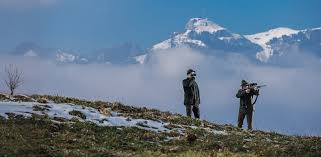
Thermal binoculars can support a variety of non-contact observation tasks. Wildlife observation is one common application because thermal imaging can help users locate animals in dark or visually challenging surroundings.
Search and observation activities can also benefit from the ability to detect heat signatures over large areas. Outdoor professionals may use thermal equipment to monitor remote locations, inspect surroundings, or improve situational awareness.
Thermal imaging can additionally assist with identifying unusual heat sources in outdoor environments. The technology provides a visual representation of temperature differences that may not be obvious through conventional observation.
The appropriate use of thermal equipment depends on local laws, privacy requirements, and the specific environment in which the device is operated.
Choosing the Right Thermal Binoculars
When selecting thermal binoculars with a 1000m detection distance, users should consider more than the advertised range. Sensor resolution, lens specifications, field of view, display quality, refresh performance, battery life, ergonomics, and construction should all be evaluated.
The intended application should guide the decision. Someone primarily scanning wide outdoor areas may prioritize field of view and detection capability, while users who need to examine distant objects may place greater emphasis on resolution and optical performance.
It is also useful to consider the manufacturer’s support, product documentation, and overall equipment design. Guide Outdoor provides thermal imaging equipment for outdoor observation applications, giving users options for different long-range viewing requirements.
See also: Best Business Setup Company in Dubai: How to Choose the Right Business Partner
Making Long-Range Observation More Effective
Effective thermal observation involves understanding both the capabilities and limitations of the equipment. Users should allow time to become familiar with thermal images, temperature differences, viewing modes, and environmental influences.
Scanning an area systematically can also improve observation efficiency. Instead of focusing continuously on one location, users can gradually thermal monocular with wifi app control examine the surroundings and investigate notable thermal signatures when they appear.
Understanding the environment is equally important. Background temperatures, weather conditions, vegetation, terrain, and the size of a heat source can all influence how easily a thermal signature is detected.
Conclusion
Thermal binoculars with 1000m detection distance can significantly expand the possibilities of long-range observation by allowing users to detect heat signatures beyond the limitations of conventional visible-light viewing. Their ability to operate in darkness and challenging lighting conditions makes thermal imaging valuable for wildlife observation, outdoor monitoring, search activities, and other applications requiring extended visibility.
When choosing a thermal binocular, detection distance should be considered alongside sensor resolution, lens performance, field of view, display quality, battery life, durability, and overall usability. Guide Outdoor offers thermal imaging solutions designed for outdoor applications, helping users explore long-range thermal observation with technology suited to demanding environments.
Ultimately, the most effective thermal binocular is one that matches the user’s observation distance, environment, and practical requirements. With the right combination of detection capability and image performance, thermal imaging can provide a valuable additional perspective for observing distant surroundings.