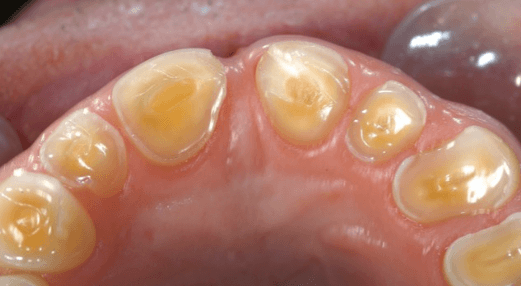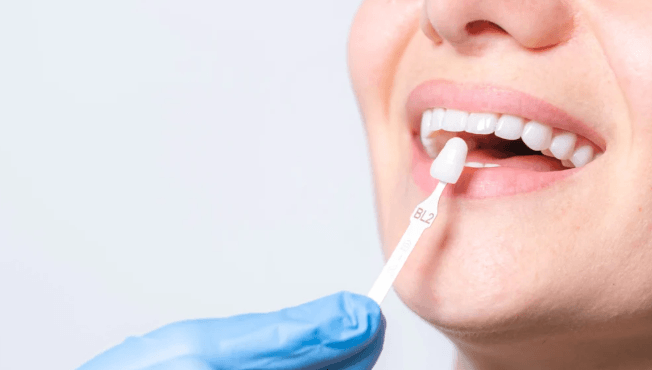
A smile makeover can change how you speak, eat, and feel. Yet the real success starts long before new crowns, veneers, or whitening. It begins with quiet, steady preventive care. You brush and floss. You show up for cleanings. You treat small problems before they grow. That simple work protects your gums and bone. It also gives your dentist a clear view of what your smile can handle. Without strong support, cosmetic work chips, stains, and fails. With it, your new smile lasts longer and feels natural. A Dentist in St. Thomas, VI will first look for decay, gum infection, grinding, and bite problems. Then the dentist will create a plan that cleans, repairs, and strengthens. Only after that comes the visible change. This order is not cosmetic. It is protective. It respects your health, your time, and your money.
Why healthy mouths handle cosmetic work better
Strong teeth and clean gums carry the load of a smile makeover. Weak teeth and sore gums do not.
Preventive dentistry focuses on three things. You control plaque at home. Your dental team removes hardened buildup. Together, you stop disease early.
According to the Centers for Disease Control and Prevention, almost half of adults have gum disease. That disease often stays silent. It eats away at bone and soft tissue. It loosens teeth. It changes how your bite comes together. Any cosmetic work placed on this shaky base will struggle.
When you treat gum disease first, your gums stop bleeding. Your breath smells cleaner. Your bite evens out. Then crowns, bonding, and veneers sit on calm tissue. They stay stable during chewing and speaking.
Steps your dentist takes a smile makeover
Before planning your new smile, your dentist will slow down and study your mouth. That study keeps you safe and avoids painful surprises.
- Review your medical and dental history
- Check for cavities and cracked teeth
- Measure your gums for signs of disease
- Take x rays to look at bone levels and hidden decay
- Watch how your teeth meet when you bite and grind
Then your dentist will talk with you about what you want. Whiter teeth. Straighter edges. Less space. Less crowding. That wish list matters. Yet the plan must respect what your teeth and gums can support right now.
The next step is a preventive and repair phase. You might need deeper cleanings. You might need small fillings. You might need to fix old work that leaks or breaks. Each repair moves you closer to a safe base for cosmetic care.
Home care that protects your makeover
What you do at home each day has more power than any single visit. Your routine keeps new work strong and your mouth calm.
Use this simple rule of three.
- Brush two times a day for two minutes with fluoride toothpaste
- Clean between teeth once a day with floss or a small brush
- Use a fluoride rinse if your dentist suggests it
The National Institute of Dental and Craniofacial Research explains that fluoride protects the hard surface of teeth and helps stop early decay. That protection is even more important when you have crowns, fillings, or veneers. Decay at the edges of these restorations can spread fast.
How prevention and cosmetic care compare
Preventive care and cosmetic treatment work together. Yet they serve different roles. This table shows how they compare and how they support each other.
| Focus | Preventive dentistry | Smile makeover treatments |
|---|---|---|
| Main goal | Stop disease and protect teeth | Change color, shape, and alignment |
| Common steps | Cleanings, exams, fluoride, sealants | Whitening, veneers, crowns, bonding |
| Timing | Regular visits every 6 to 12 months | Planned after disease is under control |
| Cost pattern | Small, steady costs over time | Larger one time costs |
| Risk if skipped | Decay, gum disease, tooth loss | Shorter life of cosmetic work |
| Impact on smile makeover | Creates a strong base | Provides the visible change |
How prevention saves money and stress
Ignoring preventive care often feels easier in the short term. No visits. No fees. No time off work. Yet the cost builds in the background.
Small untreated cavities grow. Gum inflammation spreads. Teeth shift. By the time you seek a smile makeover, you may need root canals, gum surgery, or extractions. Those treatments take more time and money than regular cleanings and early fillings.
When you keep up with preventive visits, your dentist catches problems when they are still small. A tiny filling is less painful than a large crown. A cleaning is easier than gum surgery. Your smile makeover then uses less aggressive steps and often fewer teeth.
Questions to ask before starting a smile makeover
You have the right to clear answers before any cosmetic work. Use questions that focus on prevention and long-term health.
- Are my gums healthy enough for cosmetic work right now?
- Do I have any untreated decay or infection
- How will my bite change with this plan
- What daily care will my new restorations need
- How long should each part of this plan last if I keep up preventive care
Also ask for a written plan. The plan should list the preventive steps first. Then it should show the cosmetic steps. This structure tells you the dentist is protecting your health, not just your photos.
See also: Rethinking Women’s Health Education
Putting your health first when you want a new smile
You deserve a smile that feels strong and looks natural. You also deserve care that respects your body and your budget. When you and your dentist focus on prevention first, your smile makeover becomes safer and steadier.
Protect your gums. Fix decay early. Keep regular checkups. Then choose the right cosmetic steps for your mouth. That order gives your new smile the best chance to last through real-life eating, speaking, and laughing.