You might be doing your best to keep your family healthy, packing lunches, reminding kids to brush, and trying to make good choices at the store, yet the dentist still finds a cavity or notices sore gums. That can feel frustrating, especially when you thought you were covering the basics. The truth is that oral health is shaped by more than brushing alone, and your Kokomo dental office can help you understand the bigger picture. Food, drinks, sleep, stress, habits, and daily routines all work together, quietly helping or hurting teeth over time.
If you want the short version, here it is. How Nutrition And Lifestyle Choices Affect Family Dental Health comes down to one simple idea. What your family eats and how your family lives can either protect teeth or wear them down. Sugar feeds harmful bacteria, frequent snacking keeps acid active, dry mouth raises risk, and routines like brushing, flossing, and regular visits help restore balance. Once you see those connections, it becomes easier to make small changes that actually last.
Why do food and daily habits shape oral health so much?
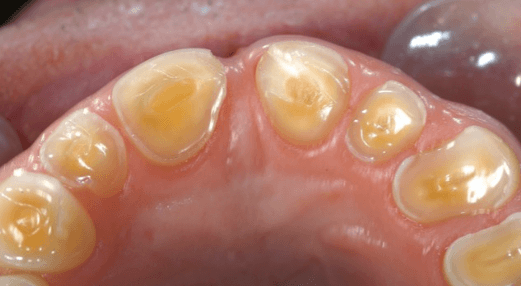
Teeth do not sit apart from the rest of the body. They live in an environment that changes all day long. Every snack, sip, late night, sports drink, and skipped brushing session shifts that environment. When sugar and simple starches stay in the mouth often, bacteria turn them into acid, and that acid can weaken enamel. The CDC explains how common added sugars in everyday diets can be, which matters because many families are getting more sugar than they realize through cereals, flavored yogurt, juice drinks, and packaged snacks.
Because of this, the issue is not only how much sugar your family eats, but how often teeth are exposed to it. A cookie with dinner is usually less harmful than constant grazing through the afternoon. Why? Teeth need time to recover between acid attacks. If your child sips juice for two hours, or if you rely on sweet coffee all morning, the mouth stays under pressure much longer.
So, where does that leave you when life is busy and convenience wins? It means you do not need a perfect diet. You need patterns that protect the mouth more often than they harm it. Water instead of sugary drinks, balanced meals instead of endless snacking, and a steady home routine can make a real difference.
What lifestyle choices can quietly raise the risk for dental problems?
Many families think only about candy and brushing, but family oral health and nutrition is tied to other daily choices too. Sleep matters because tired kids and tired parents are more likely to skip routines. Stress matters because it can lead to teeth grinding, jaw pain, or comfort eating. Mouth breathing and some medicines can dry the mouth, and less saliva means less natural protection against decay.
There is also the sports and activity side of life. A child who plays hard and drinks sports beverages often may be coating teeth with acid and sugar even while doing something healthy. A parent who grabs crackers between meetings or a teen who sips energy drinks while studying may be doing the same. Harvard’s Nutrition Source offers a helpful look at the link between diet and oral health and food choices, and it reinforces something many people miss. Teeth respond to patterns, not isolated moments.
What if your family brushes twice a day and still struggles? That usually means it is time to look at the whole picture. Are snacks happening too often? Are drinks acidic? Is flossing inconsistent? Are checkups delayed until something hurts? A family dentist can help connect those dots before a small issue becomes a costly one.
Which daily choices help most when you want better dental health for families?
It helps to compare common habits side by side. Not every choice has the same effect, and some easy swaps can lower risk without making your routine feel strict.
| Daily Choice | Higher Risk Pattern | Lower Risk Pattern | Why It Matters |
|---|---|---|---|
| Drinks | Soda, juice, sports drinks sipped often | Water between meals, sweet drinks kept occasional | Frequent sugar and acid exposure weakens enamel |
| Snacking | Grazing all day on crackers, gummies, chips | Set snack times with cheese, nuts, fruit, or yogurt | Teeth get more time to recover between meals |
| Bedtime routine | Skipping brushing when tired | Brush with fluoride toothpaste every night | Nighttime cleaning removes food and plaque before sleep |
| Cleaning between teeth | Only brushing visible surfaces | Daily flossing or floss picks | Decay and gum problems often start between teeth |
| Checkups | Waiting for pain | Regular preventive dental visits | Early care usually means simpler and less expensive treatment |
The National Institute of Dental and Craniofacial Research outlines strong oral hygiene basics, and those basics still matter. But when they are paired with smarter food and lifestyle choices, they work much better. That is the heart of dental health for families. Prevention is rarely one big move. It is a set of smaller moves repeated over time.
What can you do right now to protect your family’s teeth?
1. Change the drink routine first.
If you do only one thing this week, make water the default between meals. Save juice, soda, and sports drinks for limited moments instead of all day sipping. This one shift can lower sugar exposure fast, and it often feels easier than changing every snack at once.
2. Build meals and snacks around timing, not just ingredients.
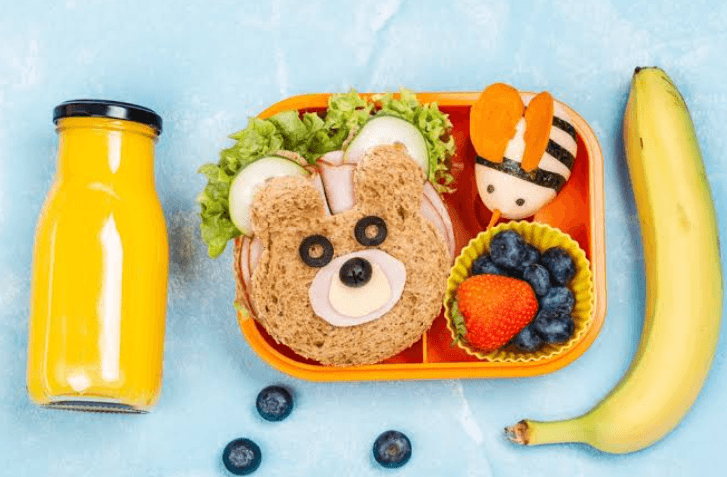
Try to reduce constant grazing. Offer filling snacks at set times, and include foods that are less likely to cling to teeth. Cheese, plain yogurt, apples, nuts if age appropriate, and crunchy vegetables can be better choices than sticky sweets or crackers eaten over long periods.
3. Make the nighttime routine nonnegotiable.
Even on chaotic nights, brush with fluoride toothpaste and clean between teeth. For younger kids, supervise. For teens, keep the reminder simple and direct. Night is when missed brushing can do the most harm because the mouth is less active during sleep.
See also: Best Business Setup Company in Dubai: How to Choose the Right Business Partner
Can small changes really improve family dental health over time?
Yes, they can, and that is often the most reassuring part. You do not need a perfect pantry or a perfect routine to improve your family’s oral health. You just need a few better defaults, repeated often enough that they become normal. Better drinks, less frequent snacking, steady brushing and flossing, and support from a trusted family dentist can ease a lot of worry and prevent many common problems before they start.
If your family has been dealing with cavities, sensitive teeth, or gum concerns, try not to see it as failure. See it as feedback. Once you understand how nutrition and lifestyle choices affect family dental health, you can make changes that are practical, calm, and easier to keep.