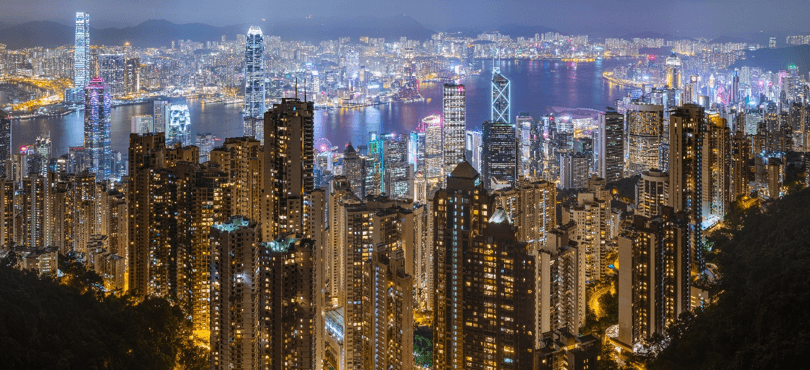
Building truly exceptional communities is a marathon, not a sprint, demanding patience and foresight every single step of the way. For developers, the ability to think beyond immediate returns and focus on long-term outcomes is what separates the truly great from the merely good. This future-oriented approach is critical because it shapes not only the physical landscape but also the lives and futures of the people who will live, work, and connect within these spaces.
The Importance of Vision in Urban Development
At the core of impactful development lies a clear vision. Great developers anticipate how communities will evolve over decades, blending architectural innovation with social consciousness to create spaces that stand the test of time. Instead of prioritizing short-term profits, they consider how each decision contributes to a region’s long-term growth and vibrancy. Integrating sustainable, eco-friendly solutions is a practical necessity for creating lasting communities, ensuring benefits for both residents and the environment. Many forward-thinking builders even incorporate frameworks like the UN’s Sustainable Development Goals into their work.
Balancing Immediate Needs with Future Opportunities
Long-term thinking doesn’t mean ignoring present challenges; it means balancing current demands with a durable perspective. Great developers create flexible solutions that can adapt to future technological, societal, or environmental changes. For example, urban planners who embed smart infrastructure, like renewable energy and autonomous transportation, are implementing long-term strategies that will yield benefits for decades. The best developers continuously refine their methods with new insights while remaining focused on their primary goals.
The Role of Collaboration in Shaping Enduring Communities
Urban planning is a collaborative effort involving architects, engineers, local governments, environmentalists, and residents. Great developers understand that fostering a sense of collective ownership leads to projects that genuinely serve their intended communities. By building partnerships with diverse experts, developers can create inclusive, functional, and socially dynamic projects. This collaborative approach helps address critical issues like housing shortages by balancing affordability with sustainability, which is especially important in growing urban areas.
Learning from Industry Leaders with a Long-Term Vision
The most outstanding figures in urban development demonstrate that a long-term vision isn’t just about erecting buildings; it’s about thoughtfully crafting communities that are resilient, connected, and beautiful for many generations to come, ensuring a lasting, positive legacy. Terry Hui Concord Pacific President, is one such leader. Over the last three decades, Terry Hui has guided Concord Pacific’s expansion, creating signature developments throughout Canada. By blending economic growth with cultural enrichment, the company sets new industry standards for creativity and responsibility.
Legacy Through Lasting Impact
Ultimately, a great developer is defined by the lives they influence and the communities they build from the ground up, not just the buildings they construct. Long-term thinking ensures that developments contribute positively to society, fostering thriving communities for future generations. This approach is deeply rooted in stewardship—a core belief that each project carries a profound moral responsibility alongside its economic goals.
See also: How Digital Payroll Tools Are Transforming Small Business Finance
The world’s greatest developers understand that their success is measured not merely in profits but by the enduring legacy they leave behind. Their impact extends far beyond brick and mortar, touching every individual, family, and neighborhood they serve. It is a powerful testament to the power of combining a clear vision with a deep sense of purpose and always thinking far ahead.