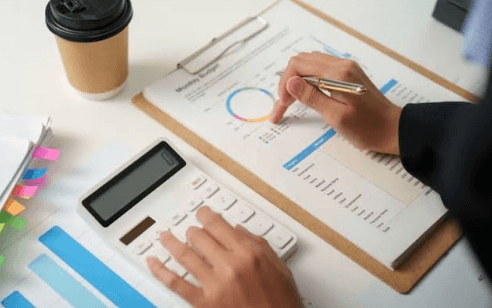
Economic conditions can influence household budgets in many ways. Changes in prices, employment opportunities, borrowing costs, and investment markets may affect how much money people have available and how confidently they can plan for the future.
Although individuals cannot control every economic development, they can take practical steps to improve their financial readiness. Understanding spending patterns, maintaining flexibility, and evaluating financial products carefully can help households respond more effectively when circumstances change.
Understand How Economic Changes Affect Your Budget
When prices rise, the same income may cover fewer goods and services. Housing, food, transport, utilities, and healthcare can all place pressure on a household budget.
Begin by reviewing actual expenses rather than relying on estimates from previous months. Identify which categories have increased and whether the changes are temporary or likely to continue.
A revised budget should protect essential spending first. Where possible, reduce avoidable costs without cutting expenses that support health, safety, or long-term financial stability.
Comparing prices, planning purchases, reducing waste, and reviewing recurring subscriptions can help improve value without requiring major lifestyle changes.
Maintain Flexibility in Spending
A budget that uses every unit of available income for fixed commitments can become difficult to manage when costs rise unexpectedly.
Where practical, leave some room for irregular expenses and maintain a reserve for essential needs. If income is variable, base regular commitments on a conservative income estimate rather than assuming that every month will be unusually strong.
Review large recurring payments periodically. Housing, transport, financing, and subscription costs can influence financial flexibility for years, so their long-term affordability deserves careful consideration.
Protect Savings From Unplanned Withdrawals
Savings can provide stability during uncertain periods, but their usefulness depends on how they are organized.
Keep money intended for emergencies accessible and separate from funds reserved for longer-term goals. This distinction can help prevent an unexpected bill from disrupting an investment or retirement plan.
If savings have been reduced by rising costs, set a realistic rebuilding target. Even small recurring contributions can help restore the reserve gradually.
Avoid seeking unusually high returns simply to compensate for financial pressure. Investments with higher potential returns may also involve greater risk, and losses can create additional difficulties when money is needed soon.
Review Debt and Borrowing Costs
Economic changes may influence the cost of borrowing, depending on the loan terms and the financial system. Households with variable-rate debt should understand how payment changes could affect their budgets.
List outstanding debts, interest rates, required payments, and repayment dates. Identify which obligations are most expensive and consider suitable strategies for reducing them while maintaining enough accessible savings.
Before taking out a new loan, calculate the total repayment amount and assess affordability under less favorable circumstances. A payment that fits today’s budget may become difficult if income declines or essential costs increase.
Evaluate Financial Products Carefully
Changing economic conditions can lead people to reconsider savings, investments, and protection arrangements. However, making decisions in response to headlines alone can result in unsuitable choices.
Start by identifying the purpose of each product. Is it intended to provide emergency access to money, long-term growth, retirement income, or protection against a specified financial risk?
When reviewing insurance focus on the policy’s contractual benefits, premiums, exclusions, eligibility conditions, and payment requirements. Consider whether the product still fits the household’s budget and financial objectives.
If a product includes an investment component, examine the associated charges and risks. Understand which benefits, if any, are guaranteed and which depend on investment performance. Seek clarification from an appropriately qualified professional when the terms are difficult to interpret.
Avoid Decisions Driven by Fear
Economic uncertainty can create pressure to act quickly. People may feel tempted to withdraw investments, borrow unnecessarily, or purchase products without fully understanding them.
Before making a significant decision, pause and review the facts. Consider the time horizon, potential consequences, available alternatives, and whether the decision addresses a genuine financial need.
Short-term market movements do not necessarily determine the suitability of a long-term strategy. Likewise, a product should not be purchased solely because someone claims that an opportunity will disappear immediately.
A measured approach helps separate important financial changes from temporary emotional reactions.
Strengthen Income Resilience
Financial resilience also depends on the ability to earn income. Developing professional skills, maintaining relevant qualifications, and exploring additional employment opportunities may help individuals respond to changes in the job market.
People with irregular income can benefit from planning for seasonal fluctuations. During stronger earning periods, consider setting aside money for quieter months, annual expenses, and essential obligations.
Any additional income activity should be evaluated for its costs, time requirements, and realistic earning potential. Avoid relying on unverified promises of quick profits.
Review Your Financial Plan Regularly
An annual financial review provides an opportunity to check savings, debt, spending, and progress toward major goals. More frequent reviews may be useful when income or expenses change significantly.
Update the budget using current costs and realistic income assumptions. Review upcoming commitments and identify areas where small adjustments could improve flexibility.
It is also useful to keep important records organized, including account details, financial agreements, and relevant policy documents. Secure recordkeeping makes it easier to understand existing commitments and compare alternatives.
Make Progress Through Consistent Actions
Financial stability is rarely achieved through one decision. It develops through repeated actions that reflect personal circumstances and priorities.
Tracking expenses, paying obligations on time, maintaining an emergency reserve, and checking product terms may appear simple, but these practices can support better decision-making over time.
The objective is not to eliminate every financial risk. It is to understand the risks that matter, prepare for foreseeable challenges, and maintain enough flexibility to adjust when conditions change.
FAQs
1. How can households respond when everyday costs increase?
Review actual spending, prioritize essential expenses, compare prices, reduce avoidable costs, and adjust savings targets realistically.
2. Should people change their financial plans whenever the economy changes?
Not necessarily. Significant changes in income, costs, or personal circumstances may justify a review, but decisions should be based on individual needs rather than headlines alone.
3. What should be checked before purchasing a financial product?
Review its purpose, benefits, costs, risks, exclusions, eligibility requirements, and affordability. Read the official documentation before making a commitment.
Conclusion
Financial decision-making in a changing economy requires awareness, flexibility, and a clear understanding of personal priorities. A realistic budget, accessible savings, responsible debt management, and careful evaluation of financial products can help households prepare for uncertainty. By reviewing plans regularly and making measured decisions, individuals can strengthen their financial resilience without relying on unrealistic assumptions about the future.