You already have enough to keep track of. School forms, work deadlines, meals, sleep, sick days, and the small daily things that pile up fast. Clermont family dental care often gets pushed into the category of “we’ll deal with it later,” especially when no one is in obvious pain. That’s usually how trouble starts. A small cavity, sore gums, bad breath, or a child who avoids brushing can turn into missed school, missed work, higher bills, and stress you did not need.
Family dental care does more than keep teeth clean. It supports eating, sleep, speech, confidence, and long term health for both kids and adults. A healthy mouth lowers the chance of infections, helps catch problems early, and builds habits that protect the whole household. The link between oral health and the rest of the body is well established, as explained by the National Institute of Dental and Craniofacial Research.
Family dentist visits help catch problems before they spread
Most dental problems do not begin with a dramatic warning. They begin quietly. A little plaque at the gumline. A child who says cold drinks feel weird. A parent who clenches their jaw at night and shrugs it off. When these signs are missed, the fix usually gets bigger and more expensive.
Regular visits with a family dentist create a pattern of prevention. Cleanings remove buildup that brushing leaves behind, exams can spot decay before it causes pain, and gum changes can be treated before they affect the bone that supports the teeth. According to the CDC’s oral health overview, cavities and gum disease are common, yet many are preventable with consistent care.
This matters for the whole house. One child with untreated pain may stop eating well. One adult with a hidden infection may live with headaches or poor sleep for months. Early care protects time, money, and energy.
Healthy gums and teeth support the rest of the body
Your mouth is not separate from your body. Inflamed gums, untreated infections, and ongoing oral bacteria can affect more than your smile. Researchers continue to study the connection between oral health and conditions such as heart disease, diabetes, and pregnancy complications. You do not need to panic over every sore gum. You do need to take oral symptoms seriously instead of treating them like a cosmetic issue.
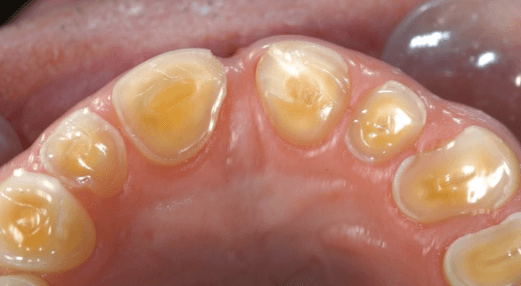
When a family keeps up with routine dental care, small signs are easier to notice. Bleeding gums, dry mouth, enamel wear, and mouth sores can point to habits, medications, or health conditions that deserve attention. Preventive dental care for families creates a steady check-in point that supports wider health goals.
Children build habits that shape lifelong wellness
Kids rarely learn dental habits from one lecture. They learn by repetition, routine, and example. If brushing feels rushed, skipped, or tied to conflict, it becomes a battle. If it is simply part of the day, like getting dressed or packing a lunch, it becomes normal.
Dental visits also teach children that care is not something to fear. A child who sees the dentist early is often more comfortable asking for help later, which lowers the risk of delayed treatment. The CDC’s oral health tips for children offer practical guidance for brushing, fluoride, and diet that can make daily care easier.
This is one of the strongest benefits of family oral health care. It turns prevention into a family rhythm instead of a last minute response to pain.
Comfort, nutrition, and sleep improve with consistent dental care
People eat differently when their mouth hurts. They avoid crunchy foods, chew on one side, skip meals, or choose softer processed foods because they are easier. Sleep suffers too. Tooth pain, grinding, and jaw tension can wake you up or keep you from falling asleep well in the first place.
Good dental care supports basic daily comfort. Teeth that function well make it easier to eat fruit, vegetables, proteins, and other foods that take real chewing. A child who is not dealing with mouth pain can focus better in school. An adult who is not waking up with jaw soreness has a better chance of getting through the day without that drained, short tempered feeling.
Family dental services reduce long term cost and disruption
Many families delay care because they are trying to save money. That instinct makes sense. The problem is that delayed care often costs more. A cleaning and exam are easier on the budget than an emergency visit, a deep filling, or treatment for an infection that has spread.
There is also the hidden cost of disruption. Last minute appointments, time off work, school absences, trouble eating, and pain medication all add up. Dental prevention is not just about avoiding disease. It protects the routines that keep your household running.
Daily home care and professional care work better together
Brushing and flossing at home matter, but they are not the whole picture. Even people with solid routines miss spots, wear enamel in ways they do not notice, or develop gum issues without pain. Professional care fills those gaps.
| Approach | What It Helps With | Limits |
| Home brushing and flossing | Daily plaque control, fresher breath, stronger habits for kids and adults | Cannot remove hardened tartar, easy to miss early decay or gum disease |
| Routine dental exams and cleanings | Early detection, tartar removal, gum checks, fluoride or sealant guidance | Works best when paired with steady home care |
| Delayed or pain-based care only | Addresses urgent symptoms when they become hard to ignore | Often leads to bigger treatment needs, higher cost, and more missed time |
The strongest results come from both. Home care keeps the mouth stable day to day. Professional care catches what your mirror and toothbrush cannot.
See also: Best Business Setup Company in Dubai: How to Choose the Right Business Partner
Small steps make family dental care easier to maintain
Set one shared routine. Pick brushing times that happen no matter what, usually after breakfast and before bed. Keep supplies visible and easy to reach. Young children do better when the routine feels predictable, not negotiable.
Book visits before there is a problem. Do not wait for pain to decide the schedule. Put routine appointments on the calendar the same way you would school physicals or vaccine visits. That lowers the odds of urgent treatment later.
Watch for quiet signs. Bleeding when brushing, bad breath that stays, avoiding certain foods, tooth sensitivity, jaw soreness, and mouth breathing all deserve attention. These signs are easy to dismiss when life is busy, but they often show up before a larger issue does.
Taking care of your family’s teeth is not one more pointless task. It supports comfort, confidence, nutrition, sleep, and health in ways you feel every day. If dental care has slipped down the list, you are not alone. Start with the next appointment and the next brushing routine, then build from there.