You might be feeling a bit worn out by the constant reminders about brushing, flossing, and dental visits, yet still wondering why cavities or gum problems keep showing up in your family. Maybe one child brushes “most of the time,” your teen loves sugary drinks, and you are juggling work, school runs, and everything else. At our Sunnyvale dental office, we understand how challenging it can be to stay on top of everyone’s needs. It is easy to feel guilty or overwhelmed, as if you are always one step behind when it comes to your family’s oral health.end
The truth is, you are not alone. Home care can feel confusing, and advice from friends, social media, and even packaging can sound contradictory. You may be asking yourself whether you are doing enough, or if your kids will pay the price later. The good news is that a few simple, consistent preventive dental strategies for families at home can dramatically lower the risk of cavities, gum disease, and painful emergencies.
In plain terms, here is the big picture. Daily brushing with fluoride toothpaste, smart snacking, simple fluoride support, mindful habits around bottles and sippy cups, and a clear plan for regular checkups with a general dentist can protect your family’s smiles and your budget. None of this has to be perfect. It just needs to be realistic and repeatable for your household.
Why do home dental habits matter so much for families?
Think about a typical weekday. Breakfast is rushed, snacks happen in the car, and bedtime can feel like a race. Oral health often gets squeezed into the last few minutes before sleep, or skipped when everyone is tired. Because of this tension, you might wonder how much difference one missed brushing really makes.
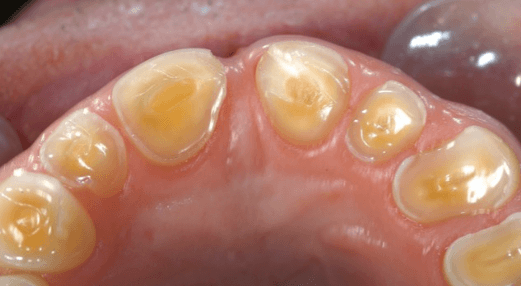
Here is the challenge. Cavities and gum disease do not appear overnight. They build slowly from small, daily habits. A little leftover food on teeth, frequent sugary drinks, or irregular brushing quietly feeds the bacteria that cause decay and inflammation. By the time you see a dark spot or your child complains of pain, the problem has usually been building for months or even years.
On top of that, dental treatment can be expensive and stressful. A filling or root canal is not just about the cost. It means missed school, missed work, and anxiety for everyone involved. Parents often tell themselves they will “tighten up” on brushing after the next appointment, yet life gets busy again, and the cycle repeats.
So where does that leave you? It means that what you do every day at home is your strongest tool. Preventive habits are not about perfection. They are about stacking small, easy wins so that problems either never appear or show up much later and much smaller.
If you want to see what trusted public health experts recommend, you can look at the Centers for Disease Control and Prevention’s overview of oral health prevention and the National Institute of Dental and Craniofacial Research guidance on daily oral hygiene. These resources confirm that consistent home care is one of the strongest protections your family has.
What are the 5 key preventive strategies families can use at home?
To make this practical, think in terms of five habits that can fit into real life. These are not complicated, and you can start with just one or two, then build from there.
1. Brush twice a day with fluoride toothpaste, together when possible
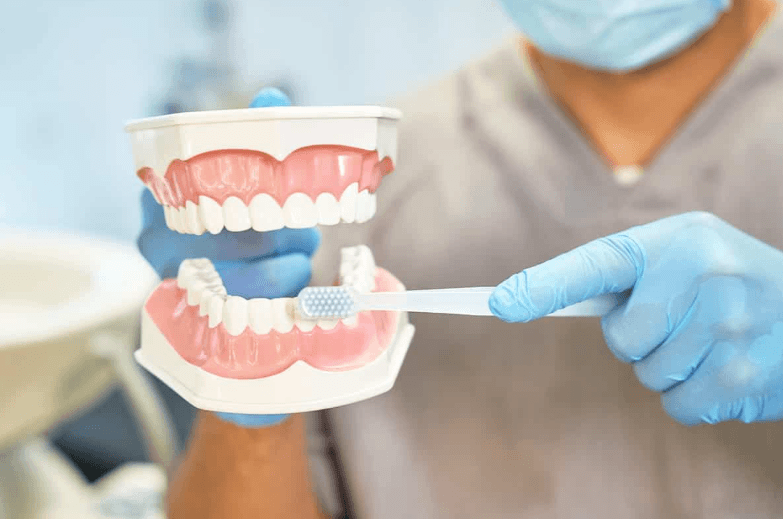
Brushing in the morning and before bed with fluoride toothpaste is the foundation of any family dental prevention plan. Fluoride helps rebuild weak spots in the enamel and makes teeth more resistant to acid attacks from food and bacteria. The CDC’s oral health tips for adults emphasize brushing twice daily for at least two minutes.
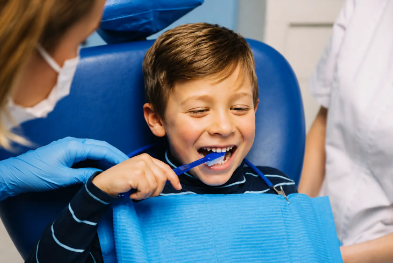
For children, brushing together can turn a chore into a shared routine. Younger kids need help, even if they insist they are “big enough.” A good guideline is that if they cannot write their name neatly, they still need your hands-on help brushing.
2. Floss or clean between teeth at least once a day
Bacteria and food particles collect between teeth where a toothbrush cannot reach. This is where many cavities and gum problems begin. Daily flossing, or using interdental brushes or floss picks, removes this hidden buildup.
If traditional floss is a constant battle, especially with kids or teens, try floss picks or small interdental brushes. The tool matters less than the habit. Focus on gentle, consistent cleaning between teeth once a day, ideally before bed.
3. Choose tooth friendly snacks and limit constant sipping
Every time you or your child has something sugary or starchy, bacteria in the mouth turn it into acid that attacks the teeth. The more often this happens, the more damage builds up. It is not just about how much sugar, but how often it hits the teeth.
Try to keep sugary drinks and snacks with added sugar to specific times, rather than all day. Water between meals is best. Snacks like cheese, nuts, plain yogurt, and crunchy vegetables are gentler on teeth. Even small changes, like swapping one daily soda or juice for water, can have a real impact.
4. Use fluoride wisely at home
Fluoride is a powerful and well-studied tool for preventing cavities. Many communities have fluoridated tap water, and most toothpastes contain fluoride. Using them consistently is a simple way to support your family’s teeth.
Children under 3 usually only need a tiny smear of fluoride toothpaste, about the size of a grain of rice. From 3 to 6 years old, a pea sized amount is enough. Encourage children to spit out the toothpaste after brushing rather than swallow. For adults and older kids at higher risk for cavities, your general dentist may suggest a stronger fluoride toothpaste or mouth rinse.
5. Protect baby teeth and new teeth from the start
It can be tempting to think baby teeth do not matter as much because they will fall out. In reality, they hold space for adult teeth, affect speech, and can cause serious pain and infection if decay is left untreated.
Avoid putting a baby to bed with a bottle of milk, juice, or sweetened drinks. If a bedtime bottle is needed, water is safest. Wipe your baby’s gums with a clean, damp cloth, and begin brushing as soon as the first tooth appears. As children grow, make dental visits with a general dentist a normal, expected part of life rather than something to fear.
How do home strategies compare to professional dental care?
You might be wondering where home care ends and professional care begins. Do strong habits at home replace visits to the dentist, or do they work together? In reality, both are important, and they protect your family in different ways.
| Aspect | Home Preventive Habits | Professional Dental Care |
|---|---|---|
| What it focuses on | Daily control of plaque, food, and acid on teeth | Early detection of problems and deeper cleaning |
| Examples | Brushing, flossing, fluoride toothpaste, healthy snacks | Checkups, cleanings, sealants, fluoride treatments, X rays |
| Frequency | Every day, at home, by you and your family | Usually every 6 to 12 months, guided by your dentist |
| Cost impact | Low cost or free, prevents many problems from starting | Higher cost per visit, but can prevent major treatment later |
| What happens if skipped | Plaque builds up, higher risk of cavities and gum disease | Problems may not be caught early, more complex treatment needed |
Strong home habits and regular visits to a general dentist work together. Home care keeps daily damage low. Professional care spots what you cannot see and fixes small issues before they turn into big ones.
Three simple steps you can start today
You do not have to change everything at once. Choose one or two steps that feel realistic right now, then add more as they become routine.
Step 1: Create a family brushing routine, not a solo struggle
Pick two times each day that work for your household, usually after breakfast and before bed. Brush together when you can, even if it is just with younger children. Use a timer or a two minute song to keep it light. Keep brushes and fluoride toothpaste in easy reach, and consider keeping a spare set in the kitchen or near where the morning rush happens.
Step 2: Make one small change to your family’s snacks or drinks
Scan your typical week and choose the biggest “sugar trap.” It might be juice boxes, sports drinks, sodas, or sticky candies. Replace just one of those habits with water or a tooth friendly snack. Over time, you can build on that success and adjust other parts of your family’s eating pattern.
Step 3: Set a reminder for regular checkups with a general dentist
Even if your home care improves, regular checkups remain important. If it has been more than a year since your last visit, choose a general dentist that fits your family’s needs, then put the appointments on the calendar right away. Treat them like you would school physicals or important work deadlines. Consistent home care plus consistent professional care gives your family the strongest protection.
See also: Rethinking Women’s Health Education
Moving forward with confidence
If you have been feeling behind on your family’s oral health, you are not failing. You are navigating a busy life with many competing demands. The fact that you are reading about 5 preventive dental strategies that families can use at home means you care, and that care is the real starting point.
Begin with one change you can keep up this week. Brush together tonight. Swap one sugary drink for water tomorrow. Look over the trusted guidance from the CDC on adult oral health tips and the NIDCR’s advice on daily oral hygiene when you have a quiet moment. Each small step supports healthier gums, stronger teeth, and fewer painful surprises for your family.
You do not need perfection. You just need a simple, steady approach to preventive family dental care at home, backed up by a trusted general dentist who can guide you along the way.