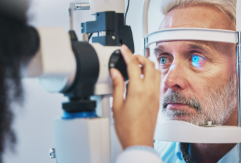
You might be feeling fine one day, then hear the word glaucoma at a routine eye exam with an Eye doctor in McLean and suddenly feel your stomach drop. That reaction makes sense. Glaucoma often develops quietly, without pain or clear warning signs, so the shift from “everything seems normal” to “there may be damage to your vision” can feel abrupt and unsettling. If you are trying to understand what happens next, the short answer is this: an eye doctor uses a series of tests to look at eye pressure, optic nerve health, side vision, and the shape of the front of the eye, then builds a treatment plan to slow or stop more vision loss.
Because of that tension, you might wonder whether a glaucoma diagnosis always means blindness. In most cases, it does not. When found early and followed closely, glaucoma can often be managed well. That is why learning how the process works can help you feel less stuck and more prepared.
Why does glaucoma take so many tests to diagnose?
Glaucoma is not diagnosed with one quick glance or a single number. An eye doctor glaucoma diagnosis usually depends on a pattern. Eye pressure matters, but pressure alone does not tell the whole story. Some people have high pressure and never develop optic nerve damage. Others have damage even when pressure seems normal.
So, what does your eye doctor actually look for? First, they often measure intraocular pressure, which is the fluid pressure inside your eye. Then they examine the optic nerve, the structure that carries visual signals to your brain. They may also test your peripheral vision, because glaucoma often affects side vision before central vision. In many cases, they use imaging to measure the nerve fiber layer and look for subtle changes over time.
If you want a plain language overview, the National Eye Institute explains glaucoma in a way that helps connect the diagnosis to what is happening inside the eye. For a closer look at the testing side, MedlinePlus outlines common glaucoma tests and what each one measures.
That may sound like a lot, but there is a reason for it. Glaucoma is usually a long game. Your eye doctor is not only checking where things stand today. They are also trying to see whether there is a trend, whether the optic nerve is changing, and whether treatment is needed now or careful observation is enough.
What happens after the tests suggest glaucoma or high risk?
This is often the hardest part emotionally. You may hear terms like “glaucoma suspect,” “ocular hypertension,” or “open angle glaucoma,” and none of them may feel clear. You may ask yourself, do I have it or not? The answer is sometimes more gradual than people expect.
If you are a glaucoma suspect, your eye doctor sees risk factors or early findings that need close follow up. That could mean elevated pressure, an optic nerve that looks suspicious, or visual field changes that are not yet definitive. If glaucoma is confirmed, the goal of care is usually to lower eye pressure enough to protect the optic nerve from further harm.
That treatment plan might begin with prescription eye drops. For some people, laser treatment is the next best step. Others may need surgery if pressure remains too high or damage continues. The key point is that treatment is meant to preserve the vision you still have. It does not usually reverse vision already lost, which is why regular care matters so much.
And what if you feel overwhelmed by the idea of lifelong follow up? That is common too. The schedule can feel demanding, especially if you work full time, care for family, or already manage other health issues. Still, each visit gives your eye doctor a chance to compare test results over time, and that comparison is often where the clearest answers come from.
How do glaucoma tests and treatment options compare?
When people hear about pressure checks, scans, drops, and laser treatment, it can all blur together. A simple comparison can make the process easier to follow.
| Test or Treatment | What It Helps Show | What You Might Experience | Why It Matters |
|---|---|---|---|
| Eye pressure test | Whether pressure is above your target range | A quick office test, sometimes with numbing drops | Pressure is a major risk factor, though not the only one |
| Optic nerve exam | Signs of nerve damage or cupping | Doctor examines the back of the eye, often after dilation | Helps confirm whether glaucoma may be harming vision |
| Visual field test | Loss of side vision | You press a button when lights appear | Shows functional vision changes over time |
| OCT imaging | Thickness of nerve fiber layers | A quick, painless scan | Can detect subtle structural change early |
| Prescription eye drops | Lowers eye pressure | Daily use, possible burning or redness | Often first line treatment for ongoing control |
| Laser treatment | Improves fluid drainage | Usually done in office with little downtime | May reduce need for drops or improve pressure control |
For many people, the practical challenge is not just choosing treatment. It is sticking with it. A missed drop here and there may not feel urgent, especially if your vision seems unchanged, but glaucoma damage can continue silently. That is why glaucoma testing and treatment work best when they are paired with steady follow up.
See also: Best Business Setup Company in Dubai: How to Choose the Right Business Partner
What can you do right now if glaucoma is on your mind?
1. Ask for your baseline numbers and findings.
Do not leave the visit unsure of what was found. Ask about your eye pressure, whether the optic nerve looked healthy, whether your visual field showed change, and what your target pressure is if treatment starts. Clear numbers make future visits easier to understand.
2. Build a routine for drops and follow up.
If you are prescribed medication, connect it to something you already do every day, such as brushing your teeth at night. Put appointments on your calendar before you leave the office. Glaucoma care is less about one dramatic moment and more about steady habits.
3. Speak up about side effects, cost, or confusion.
If drops sting, blur your vision, or strain your budget, say so early. There may be another medication, a laser option, or a simpler plan that fits your life better. You do not need to struggle in silence and hope it gets easier on its own.
So where does that leave you if you are worried about glaucoma?
It leaves you with something solid to hold onto. Glaucoma can be serious, but it is not hopeless, and you do not need to understand every test all at once to move forward wisely. What matters most is getting examined, knowing your results, and staying consistent with the plan your eye doctor recommends.
If you have been putting off an exam or still have unanswered questions after a recent visit, now is a good time to schedule care with an eye doctor and get clarity on your next steps.