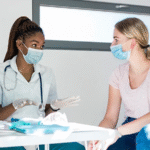
You might be looking at your child’s smile and thinking, “Something feels a little off, but I’m not sure what.” Maybe their teeth do not seem to meet quite right when they chew. Maybe you hear them grinding at night. Or a dentist mentioned “bite issues” and you have been worrying ever since. A pediatric dentist in Mount Kisco can evaluate these concerns and guide you on the best next steps.
That worry is real. You do not want to overreact, but you also do not want to miss the moment when early care could spare your child years of discomfort. Because of this tension, you might wonder where the line is between “they will grow out of it” and “we should see a pediatric dentist and orthodontist soon.”
The short answer is reassuring. There are clear signs that a child’s bite may need an orthodontic check, and catching them early usually means easier treatment, lower cost, and a more comfortable path for your child. You are not expected to diagnose anything at home. You just need to know what to watch for and when to ask for help.
How do you know when your child’s bite is more than “just crooked teeth”?
Most parents focus on how straight the front teeth look. Bite problems are more subtle. They affect how the upper and lower teeth meet, and that can influence chewing, speech, jaw growth, and even confidence.
Here are seven common signs that your child may benefit from an early orthodontic bite evaluation.
1. Crowded or overlapping teeth, especially in the front
If you notice teeth twisting, overlapping, or fighting for space, your child’s jaw may be too small for the adult teeth coming in. This is more than a cosmetic concern. Crowding makes brushing and flossing harder, which raises the risk of cavities and gum problems. Early orthodontic guidance can sometimes create space so future treatment is simpler.
2. Top teeth that stick out far past the bottom teeth
If your child’s upper front teeth seem to “jet out” over the lowers, that can be an overjet or overbite problem. This can make the teeth more likely to chip in a fall and may affect how the lips rest. Children might be teased about “buck teeth,” which can hurt confidence, even at a young age.
3. Bottom teeth that sit in front of the top teeth
When the lower front teeth are ahead of the uppers, this suggests an underbite. Underbites are often linked to how the jaws are growing. The earlier a pediatric dentist and orthodontist looks at this, the more options there are to gently guide jaw growth rather than rely on more involved treatment later.
4. Front teeth that do not touch at all when your child bites
If your child closes their teeth together, but the front teeth still have a gap and do not meet, that is called an open bite. This can make it harder to bite into foods like sandwiches or apples. It is often connected to long-term thumb sucking, finger habits, or tongue thrusting. Catching an open bite early can help protect speech development and chewing comfort.
5. The jaw shifts or slides when your child closes their teeth
You might notice that when your child starts to close, the jaw shifts to one side to make the teeth fit together. This can be a sign that the bite is forcing the jaw into an unnatural position, which can strain the jaw joints and muscles over time.
6. Mouth breathing, snoring, or difficulty chewing certain foods
Some bite problems are linked to how the jaws and airway develop. If your child avoids certain chewy foods, tires easily when eating, or mostly breathes through the mouth, an orthodontic screening can be part of figuring out what is going on. It does not replace a medical exam, but it can reveal if the way the teeth and jaws fit together is adding to the problem.
7. Your child complains of jaw discomfort, headaches, or tooth wear
Even children can feel jaw fatigue, soreness, or headaches related to bite issues. You might see flattened or chipped edges on their teeth from grinding. They may not connect the pain to how their teeth meet, but a trained eye often can.
So, where does this leave you if you are seeing one or more of these signs and feeling uneasy about waiting?
Why waiting “to see if it fixes itself” can be stressful and costly
It is natural to hope that growth will “even things out.” Sometimes it does. Other times, waiting lets small problems grow into more complex ones. That is what makes decisions about an orthodontic screening for kids’ bite issues so emotionally heavy.
You might worry about money and time. Early visits do not always mean braces right away. Very often, they mean monitoring growth, giving simple advice about habits, or using small appliances for a short time. This can reduce the need for extractions or more extensive treatment later on.
There is also the emotional side. A child who struggles to chew, speak clearly, or feels self-conscious about their teeth may quietly carry that burden. Addressing bite problems can support their comfort and confidence, not just their appearance.
If you want a medical overview of what orthodontic care involves, this MedlinePlus page on orthodontia offers a clear, neutral summary of common treatments and goals.
What does research say about timing and early screenings?
Parents often ask, “How young is too young?” Professional groups generally suggest a first orthodontic check when the permanent teeth start to come in. Many experts recommend an evaluation around age 7, or sooner if there are obvious concerns.
The Harvard School of Dental Medicine shares helpful guidance on this question. You can read their perspective in this FAQ on when children should first visit an orthodontist.
Earlier research in pediatric dentistry has also shown that monitoring growth and habits can influence how the jaws and bite develop. For those who like to see original data, the American Academy of Pediatric Dentistry has archives, such as this classic journal article on early orthodontic considerations.
In other words, an early screening is about awareness. It is a chance to know whether your child’s bite is on track or whether a gentle nudge now could prevent bigger steps later.
How do the risks and benefits of early orthodontic screening compare?
It can help to see the tradeoffs clearly. Here is a simple comparison to guide your thinking.
| Choice | Potential Benefits | Possible Risks or Downsides | Real-life Example |
|---|---|---|---|
| Early bite screening with a pediatric dentist and orthodontist | Identifies problems while jaws are still growing. Often leads to shorter, simpler treatment later. Can reduce need for tooth extractions. Gives peace of mind if everything is normal. | Cost of a consultation. Some children may need follow-up visits that feel inconvenient. Mild anxiety for the child about visiting a new specialist. | A 7-year-old with crowded front teeth is checked. The orthodontist uses a small expander for several months, which creates room so that future braces are easier and faster. |
| Waiting until teen years to check the bite | No appointments right now. No immediate costs. Some mild issues may improve on their own. | Jaw growth may finish with problems still in place. Treatment can become longer or more complex. Higher chance of extractions or jaw surgery in certain cases. | A child with an underbite is not checked until age 14. By then, the lower jaw is strongly forward, and treatment may require more intensive correction. |
| Ignoring bite concerns completely | No time or money spent on dental specialists. | Ongoing difficulty chewing, higher risk of tooth wear and cavities, possible speech issues, and emotional impact from teasing or self-consciousness. | An open bite from thumb sucking is never addressed. As a teen, the child struggles to bite into foods and feels embarrassed in photos. |
Seeing it laid out like this, many parents decide that a simple screening is a reasonable middle ground. You are not committing to full treatment. You are choosing information.
What can you do right now if you are worried about your child’s bite?
You do not need to solve everything at once. A few concrete steps can move you from worry to a clear plan.
1. Watch and write down what you are seeing
Over a week or two, quietly notice your child’s habits and make a few notes. For example:
- Do the front teeth meet, overlap too much, or not touch at all when they bite?
- Does the jaw shift to one side when they close their mouth?
- Do they avoid certain foods because they are “too hard to chew”?
- Do you hear grinding at night or notice chipped tooth edges?
These notes help you explain your concerns clearly to a pediatric dentist and orthodontist. You do not need technical terms. Simple observations are enough.
2. Ask your child’s regular dentist for an opinion
If your child already sees a dentist, share what you have noticed. Ask directly, “Do you see any bite problems that might benefit from an orthodontic screening?” Most dentists are happy to explain what they see on the X-rays and during the exam. If they suggest a referral, it is not a crisis. It is simply the next step in caring for your child’s growth.
3. Schedule an early orthodontic evaluation, even if you are unsure
If you are seeing several of the seven signs, or if your worry is keeping you up at night, an early evaluation is usually worth it. Many offices welcome young patients for a simple check and then monitor them as they grow. Ask about what the visit will include, how they help children feel at ease, and what typical next steps might be for a child your child’s age.
Using phrases like “I am not sure if this is serious, but I would like someone to look at their bite” is enough. You do not need to have the right vocabulary. That is the orthodontist’s job.
See also: Rethinking Women’s Health Education
Moving forward with clarity and calm
Worrying about your child’s bite can feel lonely, especially when you are not sure what “normal” looks like. The good news is that you do not have to guess. A thoughtful pediatric dental and orthodontic assessment can tell you whether your child’s bite is on track or needs a little help.
You are already doing something important by paying attention. The next step is simply to reach out, ask your questions, and give a specialist a chance to look. Early, informed care can protect your child’s comfort, health, and confidence for years to come.