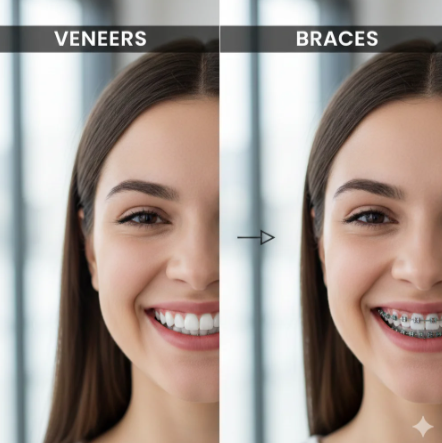
You might be feeling a little conflicted right now. You did the hard part. You wore the braces or aligners, you sat through the appointments, you followed the rules as best you could. Your teeth are finally straight, yet when you look in the mirror, something still bothers you. Maybe the color is uneven. Maybe a front tooth is chipped. Maybe there are small gaps that braces just could not change. You might even be considering Van Nuys emergency dental care. And now someone has mentioned veneers, and you are wondering if you really need more work or if this is too much.end
If that sounds familiar, you are not alone. Many people reach the end of orthodontic treatment and expect to feel thrilled, but instead feel a quiet disappointment. Because of this tension, you might wonder if getting veneers after braces is the missing piece or just more expense and stress that you do not truly need.
Here is the short version. Veneers can be a smart, conservative way to fine tune the look of already straight teeth, especially for issues like chips, permanent stains, or uneven shapes. They are overkill when the teeth are already healthy and attractive, and the problem is more about perfectionism, social pressure, or a rushed recommendation. The goal is not a “Hollywood smile at all costs.” The goal is a smile that looks natural, fits your face, and still respects your long term oral health and budget.
Why do teeth still look “off” after braces in the first place?
It can feel confusing. Braces are supposed to fix everything, right. In reality, orthodontics focuses on alignment and bite. It moves teeth, it does not change their basic shape, color, or surface texture. So after braces come off, you may notice things that were hidden before.
Common reasons people consider veneers after orthodontic treatment include:
• Teeth that are straight but different lengths, which makes the smile line look uneven.
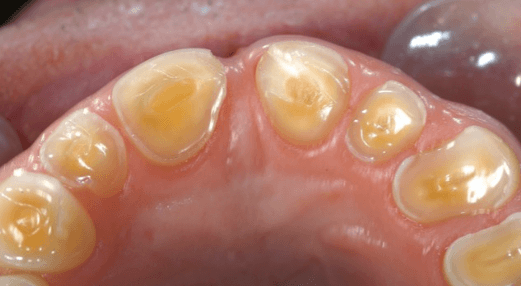
• Old chips, fractures, or worn edges that were never repaired.
• White spots or discoloration from past braces, trauma, or natural enamel defects. Research has shown that enamel defects and discoloration are not rare, especially after childhood orthodontics and certain health conditions, which can leave people self conscious long after the braces are gone. You can see background information on enamel issues in sources like the National Library of Medicine.
• Small gaps or black triangles near the gums that braces could not fully close without harming the bite.
• Teeth that are technically “fine,” but do not match what you expected emotionally.
So where does that leave you. You have straight teeth, but you still do not love your smile. The pressure to “fix” it can feel heavy, especially if you are scrolling through filtered photos and perfect veneers online. This is where it helps to pause and sort real needs from noise.
When veneers after braces genuinely help, and when they are too much
Before you say yes to porcelain, it helps to understand what veneers actually do. Veneers are thin shells, usually porcelain or composite, that cover the front of the tooth. A cosmetic dentist and orthodontist may work together to plan them so they complement the bite you already achieved.
Here are situations where veneers after braces often make real sense:
1. Permanent stains or enamel defects
If whitening does not work because the stain is inside the tooth or the enamel is mottled, veneers can create a uniform color. This is especially helpful for one or two front teeth that look very different from the others.
2. Chipped or worn front teeth
Braces can align teeth, but they cannot rebuild what has been lost. If you grind your teeth or had trauma, veneers can restore proper length and shape, which also helps the bite share forces more evenly.
3. Noticeable size or shape mismatches
Some people have small or “peg” lateral incisors, or one tooth that is shaped very differently from its partner. Orthodontics can put the tooth in the right place, but only veneers or bonding can change its actual size and contour. In those cases, veneers are often a targeted and reasonable choice.
On the other hand, veneers can be overkill in these situations:
1. You just finished braces and feel emotionally “flat” about your smile
Adjustment takes time. You are used to seeing brackets and wires. Now your teeth are unfamiliar. Sometimes a few weeks of living with your new smile, plus a thorough cleaning and whitening, changes how you feel without any irreversible work.
2. Your teeth are healthy and already look good to neutral eyes
If the main concern is tiny, barely noticeable imperfections that only you see when you zoom in on photos, full veneers may be more treatment than the situation calls for. Polishing, whitening, or small bonding touch ups might be enough.
3. You have not heard alternatives
If the only option you have been offered is a full set of veneers, especially at a young age, it is wise to slow down. A second opinion, such as from a teaching clinic like the Marquette University orthodontic clinic, can give you a more balanced view, sometimes at a lower cost.
Comparing veneers after braces with other options
You may be wondering how veneers stack up against whitening or bonding. This simple comparison can help you sort through the choices.
| Treatment | Best for | Longevity | Tooth removal required | Typical cost per tooth (varies widely) |
|---|---|---|---|---|
| Professional whitening | General yellowing or staining on most teeth | Months to a few years, with touch ups | No | Low |
| Composite bonding | Small chips, minor gaps, slight shape changes | 5 to 7 years with care | Minimal to none | Low to moderate |
| Porcelain veneers after braces | Significant discoloration, larger defects in shape or size, multiple front teeth concerns | 10 to 15 years or more with good habits | Yes, a thin layer of enamel is removed | Moderate to high |
These are general ranges, not promises. The right option depends on your bite, enamel thickness, habits like grinding, and even your personality. Some people are comfortable with a bit of maintenance every few years. Others want a longer lasting change even if it costs more upfront.
Three grounded steps before you say yes to veneers
1. Get a joint opinion from a cosmetic dentist and orthodontist
Ask for a consultation where both your bite and your cosmetic concerns are reviewed together. Bring photos of your smile before braces and now. Ask them to explain what bothers them clinically versus what bothers you emotionally. A thoughtful team will separate true functional problems from purely cosmetic wishes, then show you options from least invasive to most involved. This is where a seasoned cosmetic dentist can tell you honestly whether post braces veneer treatment is appropriate or not.
2. Try the “minimum change” approach first
Before committing to multiple porcelain veneers, consider starting with reversible or low impact steps. Professional cleaning and whitening. Gentle reshaping and polishing of uneven edges. Small areas of composite bonding to test new tooth shapes. Sometimes this alone gives you the confidence you were missing. If not, it still informs any later veneer design and helps you feel you did not jump too quickly.
3. Ask the hard questions about long term impact and cost
Veneers are not a one time event. They will need maintenance and eventual replacement. Ask your provider:
• How much enamel will be removed.
• What happens if a veneer chips or breaks.
• How often you might need replacements.
• What your realistic total cost could be over 20 years.
• Whether a smaller number of veneers, such as only the two front teeth, could meet your goals.
If the answers feel rushed or vague, or if you feel pushed toward a full set of veneers when your concerns are minor, that is a sign to pause and seek another view.
See also: How to Develop a Strong Business Identity
Bringing it all together without losing yourself in the process
Wanting to love your smile after all the effort of braces is completely reasonable. You have already invested time, money, and emotional energy. You deserve to feel comfortable when you laugh or speak. At the same time, you do not have to chase a flawless, artificial look to have a confident, professional, attractive smile.
When used thoughtfully, veneers after braces can be a careful finishing step that respects your teeth and your budget. When pushed as a one size fits all solution, they can be unnecessary and even regretful. You have the right to ask questions, explore conservative options, and say no if the treatment does not feel aligned with your values.
Give yourself a little space to breathe, gather information, and talk openly with a trusted cosmetic dentist and orthodontist. Your goal is not just straight teeth. Your goal is feeling at ease in your own smile, on your own terms.