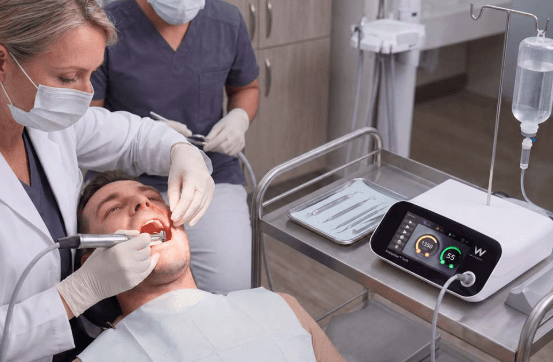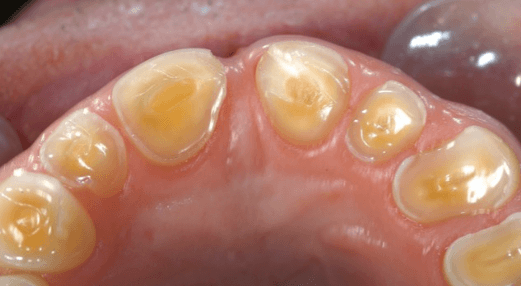
You might be feeling frustrated or even a bit defeated if every dental visit to a dentist in Livermore, CA seems to end with the same news. Another cavity. Another filling. Another bill. You brush, you try to be careful, yet your teeth still feel like they are working against you.end
It often starts small. A little sensitivity to cold, a dark spot you notice in the mirror, or a dentist gently saying, “We’ll need to keep an eye on that.” Then, over time, the “we’ll watch it” turns into “we need to treat it,” and you are back in the chair, wondering what you could have done differently.
If that sounds familiar, you are not alone. Tooth decay is one of the most common chronic conditions worldwide, and it affects children and adults. The good news is that you can lower the risk of cavities with clear, practical steps. In simple terms, this comes down to four key preventive approaches. Daily cleaning, smart food and drink choices, professional care, and extra protection for high risk teeth. Taken together, these can shift you from feeling reactive to feeling in control.
So, where does that leave you right now? You do not need to become “perfect” with your teeth. You just need a plan that respects your real life and steadily lowers your cavity risk over time.
Why do cavities keep happening even when you try to take care of your teeth?
To understand how to prevent cavities, it helps to know what you are actually fighting. Cavities are not random. They are the result of a process that plays out every single day in your mouth.
Bacteria in dental plaque feed on sugars and starches from your food. They produce acids that soften and break down your tooth enamel. Over time, repeated acid attacks create weak spots. If nothing interrupts this cycle, those weak spots turn into holes in the tooth. The Centers for Disease Control and Prevention explains this process clearly in its overview of cavities and tooth decay.
Here is where the frustration comes in. You might already brush twice a day, yet cavities still appear. Why is that? Often, it is not one big thing. It is a combination. Maybe you sip coffee with sugar throughout the morning. Maybe you snack often. Maybe you brush, but plaque stays between the teeth. Or maybe your enamel is naturally weaker, or you have dry mouth from medications. All of these increase your risk.
Because of this tension between what you are trying to do and what keeps happening, you might wonder if any of it really makes a difference. It does. The difference is in being specific and consistent. When you target the actual causes of decay and build habits around them, your risk drops.
What are the 4 preventive approaches that truly lower cavity risk?
Think of cavity prevention as a team effort. Each approach tackles a different part of the decay process. When they work together, the odds shift in your favor.
1. Daily cleaning that actually removes plaque
Brushing and flossing sound basic, yet the way you do them matters. The goal is to remove sticky plaque before it hardens and before it can keep producing acid on your teeth.
Use a soft toothbrush and fluoride toothpaste. Angle the bristles toward the gumline and move in small circles. Most people brush for less than a minute, even if it feels longer. Aim for two full minutes, twice a day. An electric toothbrush can help if you struggle with technique or grip.
Floss at least once a day to clean between teeth where your brush cannot reach. If traditional floss is hard to manage, try floss picks or small interdental brushes. The National Institute of Dental and Craniofacial Research explains more about effective oral hygiene habits that support cavity prevention.
2. Food and drink choices that protect your enamel
Every time you eat or drink something with sugar or refined starch, the bacteria in your mouth produce acid for about 20 to 30 minutes. If that happens all day long, your teeth rarely get a chance to repair.
That is why a single dessert with a meal is usually less harmful than sipping a sugary drink over several hours. It is not only what you eat. It is how often and how long your teeth are exposed.
Helpful shifts include drinking water instead of sugary drinks between meals, saving sweets for mealtimes, choosing snacks like cheese, nuts, or raw vegetables, and rinsing with water after eating if you cannot brush.
3. Regular visits with a general dentist to catch problems early
Even with careful home care, some plaque and tartar will stay behind. A general dentist removes hardened buildup, checks for early signs of decay, and looks at your gum health. This is not just about a “clean feel.” It is about catching small problems while they are still easy and less expensive to fix.
For many adults, a checkup every six months works well. If you have frequent cavities, gum disease, dry mouth, braces, or medical conditions that affect your mouth, your dentist may suggest more frequent visits. X rays do not need to be taken every time, but they are important for spotting decay between teeth and under old fillings.
4. Extra protection for high risk teeth and situations
Some teeth are more likely to decay. Back molars have deep grooves that trap food. Children and teens often struggle to clean these areas. Adults with past cavities or lots of fillings are also at higher risk.
In these cases, your dentist may suggest fluoride treatments to strengthen enamel, prescription fluoride toothpaste or mouth rinse, and sealants on back teeth to block out bacteria in the deep grooves. These are not just for kids. Many adults benefit from them as part of a focused cavity prevention plan.
The NIDCR describes the tooth decay process in detail and shows how fluoride and sealants can interrupt it. The aim is simple. Make your teeth more resistant to acid and reduce places where bacteria can hide.
How do everyday choices compare when you are trying to prevent cavities?
When you are busy, it is easy to do “good enough” and hope for the best. It helps to see how different choices stack up for cavity prevention. That way, you can focus on the changes that give you the most return for your effort.
| Habit or Choice | Lower Cavity Risk | Higher Cavity Risk |
|---|---|---|
| Brushing | Twice daily with fluoride toothpaste for 2 minutes | Once daily or quick brushing under 1 minute |
| Cleaning between teeth | Daily flossing or interdental brushes | Rare or no cleaning between teeth |
| Sugary drinks | Occasional with meals, water in between | Sipping soda, juice, or sweet coffee throughout the day |
| Snacking pattern | 1 to 2 planned snacks, then water | Frequent “grazing” on sweets or chips |
| Dental visits | Routine exams and cleanings with a dentist | Going only when you are in pain |
| Extra protection | Fluoride treatments and sealants for high risk teeth | No added protection even with repeated cavities |
Looking at this, you might notice one or two areas that stand out. That is where you can start. You do not need to overhaul everything overnight. Even one steady change can make future dental visits much less stressful.
What can you do this week to start lowering your risk of cavities?
Change feels more manageable when you focus on a few clear actions. Here are three steps you can begin right away.
1. Upgrade your daily routine with one small but specific change
Choose one habit that feels realistic and commit to it for the next two weeks. For example, set a timer and brush for the full two minutes morning and night. Or add flossing before bed every day. Or switch from sipping soda during the day to drinking water and saving sugary drinks for mealtimes only.
Write this choice down. Put a reminder on your phone or a sticky note by the bathroom mirror. Small, repeated actions are what protect your teeth over the long run.
2. Schedule a preventive visit with a general dentist
If it has been more than six months since your last exam and cleaning, reach out to a general dentist and schedule a checkup. When you do, be honest about your cavity history and your concerns. Ask for a cavity risk assessment. That can include reviewing your diet, saliva flow, current plaque levels, and past decay.
Before the visit, make a short list of questions. For example, “Why do I keep getting cavities in the same area” or “Would fluoride toothpaste or a mouth rinse help me” or “Are sealants an option for me” This turns the appointment into a planning session, not just a cleaning.
3. Protect “at risk” moments throughout your day
Think about the times your teeth are most exposed. Maybe it is during long workdays with coffee and snacks, late night snacking, or frequent sports drinks if you exercise. Choose one of these moments and protect it.
You might switch to unsweetened coffee and drink water alongside it. Or pair a sweet snack with a meal instead of eating it alone. Or keep sugar free gum with xylitol in your bag to chew after meals when you cannot brush. These small adjustments reduce the number of acid attacks on your teeth, which is a key part of preventing tooth decay.
See also: How to Develop a Strong Business Identity
Moving from constant repairs to true prevention
You do not have to live in fear of the next dental visit or feel guilty every time you eat something sweet. Teeth are not “all or nothing.” They respond over time to the choices you make most often.
When you combine consistent cleaning, thoughtful food and drink habits, regular care with a general dentist, and targeted protection for high risk teeth, you give yourself a real chance to break the cycle of constant cavities. It is not about perfection. It is about progress that you can actually maintain.
Your next step can be simple. Choose one habit to strengthen at home. Then, when you are ready, schedule a preventive appointment with a dentist and talk through a plan that fits your life. With steady attention, your smile can shift from something that constantly worries you to something you can trust.