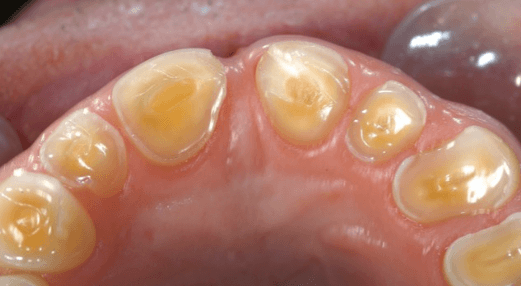
You might be feeling a little stuck right now. Maybe a filling fell out, a tooth started to ache out of nowhere, or you caught a glimpse of a chipped tooth in a photo and now you cannot unsee it. You know something needs to be fixed, yet you might be worried about pain, cost, or what the dentist at our Downtown Toronto dental office will say about how long you waited.end
If that sounds familiar, you are not alone. Many people delay care until a small issue becomes a daily worry. The good news is that modern restorative dental treatments are designed to repair damage, protect your teeth, and help you feel comfortable again, usually with far less stress than you imagine.
In simple terms, there are four common services that general dentists use over and over to maintain healthy smiles. These include fillings, crowns, root canal treatment, and dental bridges. Each one addresses a different level of damage, and together they form the everyday toolkit that keeps people chewing, smiling, and talking with confidence.
So where does that leave you? It means that no matter how small or big your current problem feels, there is almost always a structured, proven option to restore your tooth, not just pull it out and move on.
Why do teeth need restorative care in the first place?
It often starts quietly. A little sensitivity to cold. Food sticking in the same spot. A small crack from biting something hard. Life is busy, so you ignore it, rinse more, maybe chew on the other side, and hope it goes away.
Over time, these small warning signs can turn into real problems. A cavity deepens. A crack spreads. The nerve inside the tooth becomes irritated or infected. What started as an annoyance can grow into pain that wakes you at night or keeps you from enjoying the foods you love.
Because of this tension between “I should get this checked” and “I do not have time or money for this right now,” you might wonder if it is better to wait. The hard truth is that dental problems rarely fix themselves. Waiting often means more complex treatment and higher cost later.
That is where restorative dentistry comes in. A general dentist uses specific treatments to stop disease, repair damage, and strengthen what is left of your natural tooth. Think of it as reinforcing a house before the damage reaches the foundation, not after the walls collapse.
1. Dental fillings: How do they stop small problems from becoming big ones?
When decay is caught early, a filling is usually the simplest way to restore a tooth. The dentist removes the decayed portion, cleans the area, and fills the space with a durable material such as composite resin or amalgam. Done well, it can feel almost like your natural tooth again.
If you are worried about what a filling actually involves, you can read more through this resource on dental fillings and how they work. Understanding the process often makes it less scary.
The real risk is waiting. A small cavity that needs a quick filling today could need a crown or even a root canal later if it reaches the nerve. So if you are noticing sensitivity to sweets or cold drinks, or see a dark spot that was not there before, this is the time to act while treatment is still simple.
2. Dental crowns: When is a “cap” the safer choice?
Sometimes a tooth is too damaged or too weak for a filling to hold up on its own. This might be due to a large cavity, a crack, or a tooth that has already had root canal treatment. In those cases, a crown, often called a “cap,” covers and protects the entire visible part of the tooth.
You might need a crown if you have a tooth that repeatedly chips, a big old filling that keeps breaking, or a tooth that hurts when you bite down. Without that extra protection, the tooth can fracture in a way that cannot be fixed, which can lead to losing it altogether.
Crowns are a common part of restorative dentistry services and are tailored to your bite and appearance. They are designed so you can chew confidently and smile without worrying which tooth is “the bad one.”
3. Root canal treatment: Is saving a tooth worth it?
The words “root canal” can trigger a lot of fear, yet the procedure is usually done to stop pain, not cause it. When the nerve inside a tooth becomes inflamed or infected, no filling or crown alone can fix the problem. Root canal therapy cleans out the infected tissue inside the roots, seals them, and allows the dentist to rebuild the tooth.
Signs you might need this treatment include lingering pain after hot or cold, swelling near the tooth, or a deep ache that seems to pulse. You can learn about the medical side of this procedure through this overview of root canal treatment and what to expect.
So is saving the tooth worth it? In many cases, yes. Keeping your natural tooth helps maintain your bite, prevents extra pressure on other teeth, and often costs less over time than removing the tooth and replacing it with something artificial.
4. Dental bridges: What if a tooth is already missing?
Sometimes the damage has gone too far and a tooth cannot be saved, or it was lost years ago. A missing tooth is not just a cosmetic problem. Neighboring teeth can drift into the gap, your bite can shift, and chewing on one side only can strain your jaw.
A dental bridge uses the teeth next to the gap to support a replacement tooth that sits in between. It fills the space, restores your chewing surface, and helps keep the rest of your teeth from moving out of place.
If you are missing a tooth and have been “getting by,” you might be noticing more food getting trapped, changes in your smile, or a slight change in how your teeth fit together. A bridge is one of the core restorative dental services that can quietly solve those problems day after day.
How do these treatments compare in terms of effort, cost, and impact?
It can feel overwhelming to sort through choices when you are already in pain or worried about money. Seeing the differences side by side often helps you decide what questions to ask your dentist.
| Treatment | Typical Purpose | Tooth Damage Level | Appointment Time | General Cost Range* (Relative) | What Happens If You Wait? |
|---|---|---|---|---|---|
| Filling | Repair small to medium cavities | Mild | Short, often one visit | Lower | Cavity can grow, may need crown or root canal later |
| Crown | Protect and strengthen weak or cracked teeth | Moderate | Usually two visits | Medium | Tooth may fracture, leading to extraction |
| Root canal + crown | Save infected or deeply damaged teeth | Moderate to severe | One to two visits, sometimes more | Higher | Infection can worsen, pain increases, may lose tooth |
| Bridge | Replace one or more missing teeth | Tooth already lost | Multiple visits | Higher | Teeth shift, bite changes, harder to clean area |
*Actual costs vary by location, insurance coverage, and specific materials. This table is meant to give a sense of relative differences, not exact prices.
What can you do right now to protect your smile?
When you are unsure what to do, taking a few small, clear steps can lower anxiety and move you toward a solution.
1. Pay attention to early warning signs
Notice any new sensitivity, sharp twinges when you bite, or food catching in the same spot. Make a short note on your phone describing what you feel, when it started, and what makes it better or worse. This gives your general dentist valuable clues and can shorten the time needed to find the cause.
2. Schedule an exam before it becomes an emergency
If you have been putting off a checkup, consider booking a visit focused on what worries you most. You can say, “I am concerned about this one tooth and I want to understand my options.” A calm, planned visit is almost always easier and less expensive than a rushed visit for severe pain.
3. Ask clear questions about your options
During your visit, ask your dentist to explain what is happening in simple terms and to outline at least two paths. For example, “What is the simplest treatment that will work if we do it soon” and “What happens if I wait a few months.” Ask about expected lifespan of the treatment, how it will feel, and what it might cost. The goal is not just to fix a tooth, but to choose the treatment that fits your health, your budget, and your comfort.
See also: The Innovation Lifecycle in Technology
Moving forward with confidence in restorative care
You might still feel nervous, and that is understandable. Teeth are personal. Pain is draining. Money is not unlimited. Yet you now know that there are structured, proven restorative dentistry services that maintain healthy smiles, whether your problem is a small cavity or a missing tooth.
The most important step is not to know every detail, but to reach out and begin a conversation with a trusted general dentist. From there, you can explore fillings, crowns, root canal treatment, or bridges in a way that respects your comfort and your budget.
Your smile does not have to stay in this “before” stage. With the right care, you can move toward an “after” where you chew without thinking, smile without hiding, and feel at ease knowing your teeth are cared for and protected.