You might be feeling caught between hope and worry right now. Maybe you are ready to replace a missing tooth, or you have been told dental implants Westchester County NY could give you your smile back, but then someone mentions your gums first. That can feel frustrating. You were prepared for one treatment, and now there may be another step before it. Still, there is a good reason for that pause. If your gums and bone are not healthy, implants may not have the support they need to last. In simple terms, the three signs to watch for are bleeding gums, loose teeth or bone loss, and ongoing infection or deep gum pockets. If any of those sound familiar, periodontal treatment before implants may be the safest path forward.
So, where does that leave you? It means you are not being pushed off course. You are being guided toward a stronger foundation. A periodontist and implant dentist looks at more than the missing tooth itself. The goal is to protect the tissue and bone that will hold your implant in place for years to come.
Are Bleeding or Swollen Gums a Sign You Need Gum Disease Treatment Before Dental Implants?
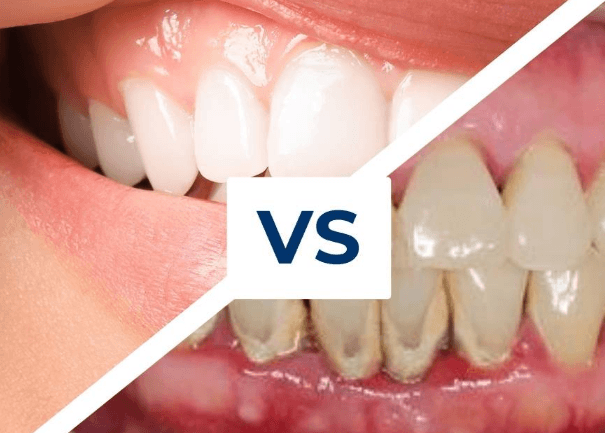
If your gums bleed when you brush, floss, or eat, it is easy to dismiss it. Many people do. But healthy gums do not usually bleed often, and they should not stay swollen or tender. According to the National Institute of Dental and Craniofacial Research on gum disease, gum disease can begin quietly, with redness, swelling, and bleeding that seem minor at first.
The problem is that inflammation does not stay on the surface. Over time, it can begin to affect the structures under the gums, which are the same structures an implant depends on. If you move ahead with implants while gum disease is active, you may be placing that implant into an unhealthy environment. That raises the risk of healing problems and future implant trouble.
What if your mouth does not hurt much? That is part of what makes this tricky. Early periodontal issues are often more silent than people expect. You may only notice a little blood in the sink, or gums that look puffy in photos. Even then, those signs deserve attention.
Could Loose Teeth or Bone Loss Mean You Need Periodontal Care First?
If a tooth feels loose, shifts when you bite, or your dentist has mentioned bone loss on X-rays, that is another strong sign to slow down and look at your periodontal health first. The CDC overview of gum and periodontal disease explains that advanced gum disease can damage the bone that supports your teeth. That matters because implants rely on bone just as much as natural teeth do.
Think of it this way. An implant is not just placed into the mouth. It is anchored into bone. If there is not enough healthy bone, or if infection is still affecting it, the implant may not integrate as it should. In some cases, people need deep cleaning, infection control, or bone grafting before implant placement becomes a better option.
This can feel like a setback, especially if you were hoping for a quick fix. But it is often the opposite. Treating the cause first can prevent harder, more expensive problems later.
What If You Have Bad Breath, Gum Pockets, or Repeated Infection Before Implant Placement?
Persistent bad breath, a bad taste in your mouth, pus near the gums, or a history of repeated gum infections can point to active periodontal disease. You may also hear your dental team talk about deep gum pockets. These are spaces where bacteria collect below the gumline, making it harder for the tissue to stay healthy.
The MedlinePlus explanation of periodontitis notes that infection can lead to gum recession, bone damage, and tooth loss. If you are already planning implants, this is a sign not to skip the periodontal evaluation. Signs you need gum treatment before implants often show up in these small but ongoing symptoms.
Because of this, a periodontist and implant dentist may recommend treating infection first, then checking how your gums and bone respond. That extra step can improve comfort, healing, and long term implant success.
How Does Treating Periodontal Disease Before Implants Compare to Waiting?
When you are deciding what to do next, it helps to see the difference clearly. The table below shows why addressing periodontal concerns first is often the more protective choice.
| Situation | If You Treat Periodontal Issues First | If You Wait or Skip Care |
| Bleeding or swollen gums | Inflammation can be reduced before implant placement | Ongoing irritation may affect healing around the implant |
| Bone loss | Bone levels can be assessed and supported if needed | Implant stability may be weaker if support is limited |
| Active infection | Bacteria can be managed before surgery | Infection may raise the risk of implant complications |
| Long term cost | Early treatment may prevent added procedures later | Delays can lead to more complex and costly care |
This is why many people who need gum disease treatment before dental implants are advised to deal with the health of the gums first, even if the missing tooth feels like the bigger problem.
What Can You Do Right Now If You Think You Need Periodontal Treatment?
1. Pay attention to the small signs. If your gums bleed, feel sore, look puffy, or are pulling away from your teeth, write it down. Notice whether you have bad breath that does not go away or teeth that feel different when you chew. These details help your dental team spot patterns.
2. Ask for a periodontal evaluation before implant planning. If implants are already on your mind, do not assume the next step is placement. Ask whether your gums, bone levels, and pocket depths have been checked. Dental implant gum preparation is not an extra hurdle. It is part of building a safer base.
3. Do not ignore treatment because symptoms seem mild. Gum disease often starts quietly. Acting early may mean simpler care, better healing, and a smoother implant process. Waiting can turn a manageable problem into a larger one.
See also: Best Business Setup Company in Dubai: How to Choose the Right Business Partner
Could a Stronger Foundation Lead to a Better Implant Outcome?
Yes, and that is the heart of it. If you have been told you may need periodontal care first, it does not mean implants are out of reach. It means your mouth may need support before the next step. Bleeding gums, bone loss, and signs of infection are not small details when implants are involved. They are signals worth taking seriously.
With the right evaluation and care from a periodontist and implant dentist, you can move forward with more clarity and less guesswork. If you are seeing any of these signs, now is a good time to schedule a periodontal evaluation and ask what kind of treatment may help protect your future implant.