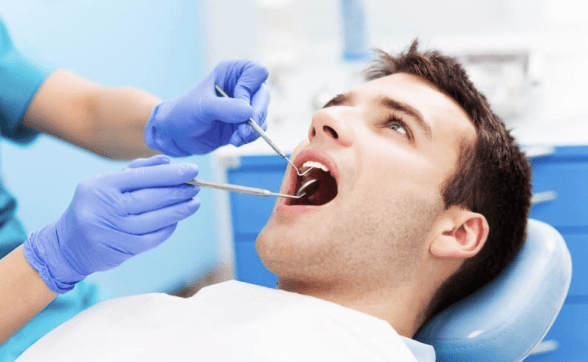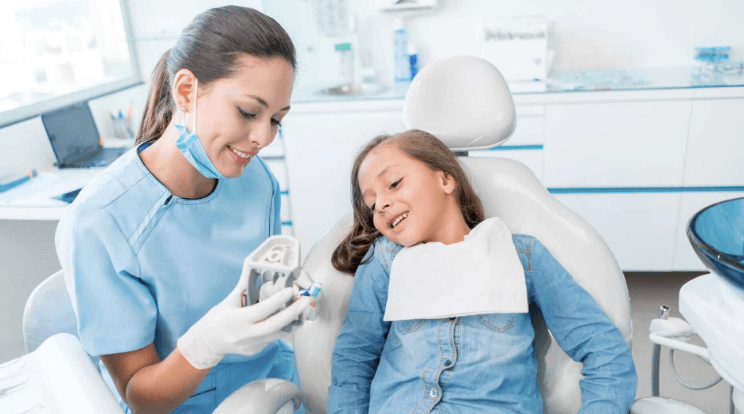
Your smile carries family stories. A grandparent’s gap, a parent’s chipped tooth, a child’s shy grin. Each one depends on the choices you make today. Preventive visits do more than clean teeth. They stop quiet problems before they grow into pain, cost, or loss. Regular checkups protect you now. They also protect the smiles of your children and grandchildren. Every visit gives you early answers, clear guidance, and steady support. You learn what to watch, what to change, and what to keep. That knowledge stays in your home. It shapes daily habits at your sink and at your table. Many Grand Rapids dentists see the same families for years. They watch small mouths grow and help keep them strong. You can use preventive care as a shield. You can break the pattern of emergencies and extractions. You can pass on calm, confident smiles.
Why preventive visits matter for every generation
Preventive visits give you three main gifts. Early detection. Simple treatment. Lower cost. You sit in a chair for a short time. You walk out with protection that lasts for years.
Routine visits help you and your family:
- Find small cavities before they reach the nerve
- Spot gum disease before teeth loosen
- Catch bite or jaw growth problems in children
- Notice signs of grinding, clenching, or mouth breathing
- Screen for oral cancer and infections
Each visit becomes a checkpoint. You gain clear facts, not guesswork. You avoid the shock of sudden pain or a large bill.
How habits pass from grandparents to children
Children copy what they see. If they see rushed brushing and skipped visits, they learn that pattern. If they see steady care, they learn that instead. One person can change the story for everyone.
Think about three links in your family line.
- Older adults keep teeth longer when cleanings are steady
- Parents model simple daily routines that kids repeat
- Children grow up seeing the dentist as normal and safe
You may have grown up with pain, fear, or missing teeth. You can still choose a new path. You can give your children what you did not have. Calm visits. Clear plans. Fewer emergencies.
What usually happens at a preventive visit
A checkup visit feels simple. Yet each step protects you.
- Review of your health history and medicines
- X-rays when needed, to see between teeth and under fillings
- Gum check to measure pockets and bleeding
- Cleaning to remove plaque and hardened tartar
- Fluoride for many children and some adults at higher risk
- Oral cancer screening of cheeks, tongue, and throat
- Private talk about brushing, flossing, and food choices
You can ask questions at every step. You stay in control of choices. The visit works best when you speak up about pain, fear, or money worries.
Preventive visits across the lifespan
Preventive focus by age group
| Life stage | Main goals | Typical visit frequency |
|---|---|---|
| Infants and toddlers | Check tooth growth. Guide parents on brushing and food. Address early decay. | Every 6 to 12 months |
| School age children | Protect new molars. Watch jaw growth. Build strong daily habits. | Every 6 months |
| Teens and young adults | Manage crowding, sports injuries, and wisdom teeth. Support independent care. | Every 6 months |
| Adults | Control decay and gum disease. Maintain fillings and crowns. | Every 6 to 12 months |
| Older adults | Protect remaining teeth. Manage dry mouth and dentures. Reduce infection risk. | Every 3 to 6 months, based on risk |
These time frames are general. Your dentist may suggest a different schedule based on your risk level.
The cost of waiting versus the cost of prevention
Prevention looks small. A short visit. A modest bill. Yet delay often leads to a larger loss. One missed checkup can grow into a root canal or an extraction later.
Typical pattern of care when problems are early versus late
| Stage of care | With preventive visits | With delayed visits |
|---|---|---|
| Tooth decay | Small filling | Root canal and crown or extraction |
| Gum disease | Cleaning and home care changes | Deep cleaning, surgery, and tooth loss |
| Child crowding | Early guidance or simple braces | More complex and longer treatment |
| Cost and time | Short visits and lower cost | Emergency visits and higher cost |
You cannot control every outcome. You can still cut risk in a strong way with steady visits and daily care.
Science behind preventive dental care
Research shows clear links among oral health, heart disease, and diabetes. Chronic gum infection raises strain on the body. The Centers for Disease Control and Prevention notes that poor oral health relates to pregnancy problems and trouble managing blood sugar.
Preventive visits reduce harmful bacteria and swelling in the mouth. They also support quitting tobacco and cutting sugary drinks. These steps ease pressure on your heart and immune system. The mouth is not separate from the rest of you. It is part of your whole health story.
See also: Rethinking Women’s Health Education
Helping children feel safe at the dentist
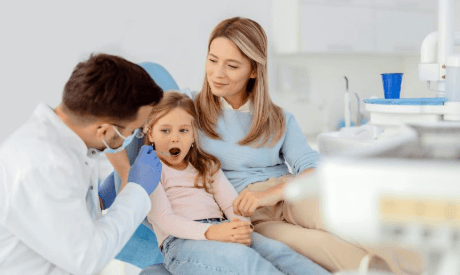
Fear often starts early. You can change that for your child.
- Use simple words and avoid scary stories
- Read picture books about seeing the dentist
- Schedule visits at calm times of day
- Stay steady and relaxed so your child feels safe
The American Academy of Pediatric Dentistry urges a first visit by age one or within six months of the first tooth. Early visits turn the office into a familiar place, not a place of fear.
Three steps you can start today
You can protect your family’s smiles with three simple moves.
- Schedule checkups for every person in your home
- Set a shared brushing time twice each day
- Keep water as the main drink and save sweets for rare treats
Each step seems small. Together, they build strong teeth, steady habits, and less fear. Your choices today protect stories that your family will carry for years.