What Is a Fire Risk Assessment and Why It Matters
A Fire Risk Assessment is a structured evaluation of a building or workplace to identify potential fire hazards, determine who may be at risk, and implement measures to minimize or eliminate those risks. It plays a crucial role in safeguarding lives, protecting property, and ensuring compliance with fire safety regulations.
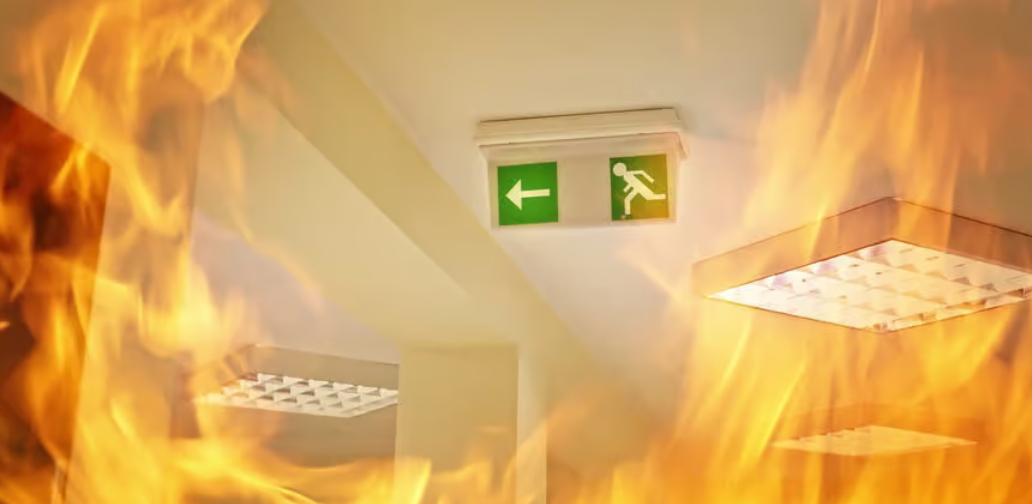
Fire incidents can cause devastating loss within minutes. A proper Fire Risk Assessment helps prevent such disasters by identifying ignition sources, fuel materials, and oxygen supplies that may contribute to fire outbreaks. It also ensures that emergency exits, fire alarms, and firefighting equipment are fit for purpose and easily accessible.
In today’s regulatory environment, failing to carry out a Fire Risk Assessment can result in severe penalties, business closure, and reputational damage. More importantly, it puts human lives at unnecessary risk.
Legal Importance of Fire Risk Assessment
Fire safety legislation in many countries requires responsible persons to carry out and regularly review a Fire Risk Assessment. These laws aim to ensure that fire prevention and protection measures are in place for employees, residents, visitors, and the general public.
A legally compliant Fire Risk Assessment:
- Demonstrates due diligence
- Reduces liability in case of an incident
- Helps meet insurance requirements
- Prevents enforcement notices and fines
Regulatory bodies often require documentation showing that fire risks have been identified and controlled effectively. Regular reviews are especially important when building layouts change, occupancy increases, or new equipment is introduced.
Who Is Responsible for Fire Risk Assessment
The responsibility for conducting a Fire Risk Assessment usually falls on the “responsible person.” This may include:
- Business owners
- Employers
- Landlords
- Building managers
- Property owners
While assessments can be conducted internally for small, low-risk premises, complex buildings often require a competent fire risk assessor with professional training and experience. Ultimately, responsibility cannot be delegated—only the task can.
Key Components of a Fire Risk Assessment
A comprehensive Fire Risk Assessment is built around several core elements that ensure nothing is overlooked.
Identifying Fire Hazards
This involves spotting anything that could start a fire, such as:
- Electrical equipment
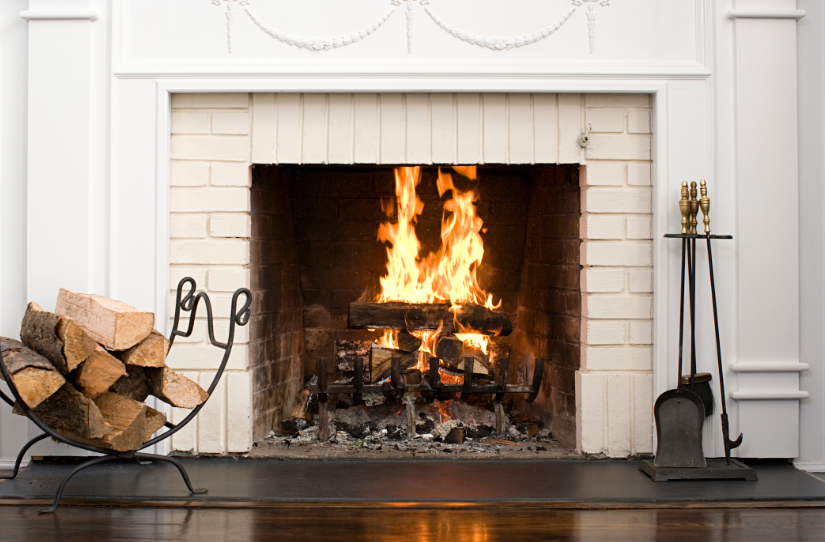
- Heating systems
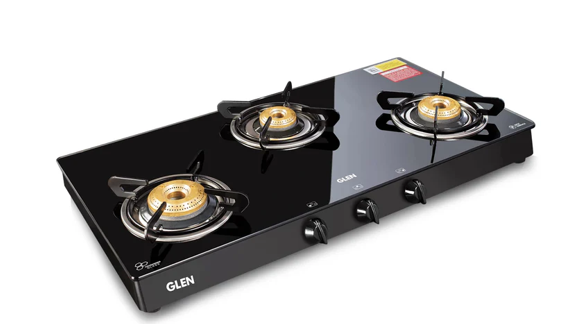
- Open flames
- Flammable liquids
- Poor housekeeping
Hazards are typically categorized by ignition sources, combustible materials, and oxygen sources.
People at Risk
Assessors must consider everyone who may be affected by a fire, including:
- Employees
- Visitors
- Residents
- Contractors
- Vulnerable individuals such as children, elderly people, or those with disabilities
Special attention is required for people who may need assistance during evacuation.
Evaluating, Removing, and Reducing Risks
Once hazards and people at risk are identified, steps must be taken to reduce danger. This may include:
- Removing flammable materials
- Improving storage practices
- Installing fire-resistant materials
- Ensuring safe electrical systems
The goal is to reduce fire risk to the lowest reasonably practicable level.
Fire Risk Assessment Process Explained
A Fire Risk Assessment follows a systematic approach to ensure consistency and accuracy.
Step-by-Step Assessment Method
- Identify fire hazards
- Identify people at risk
- Evaluate risks and implement controls
- Record findings and prepare an emergency plan
- Review and update regularly
Documentation is essential, especially for workplaces with five or more people. Records provide proof of compliance and help track improvements over time.
Benefits of Conducting Regular Fire Risk Assessment
Conducting a Fire Risk Assessment is not just about legal compliance—it delivers long-term benefits, including:
Regular reviews help adapt safety measures to changing environments, ensuring continued protection as operations evolve.
Common Mistakes to Avoid
Despite its importance, Fire Risk Assessment is often done incorrectly. Common mistakes include:
- Treating it as a one-time task
- Using generic templates without site-specific details
- Ignoring vulnerable individuals
- Failing to train staff on fire procedures
- Not updating assessments after changes
Avoiding these mistakes significantly improves fire safety outcomes.
FAQs About Fire Risk Assessment
How often should a Fire Risk Assessment be reviewed?
It should be reviewed annually or whenever significant changes occur to the building or occupancy.
Is Fire Risk Assessment mandatory?
Yes, in most jurisdictions it is a legal requirement for non-domestic premises.
Can I do my own Fire Risk Assessment?
Yes, for low-risk buildings, but complex premises require a competent professional.
What happens if I don’t have a Fire Risk Assessment?
You may face fines, legal action, business closure, or imprisonment in severe cases.
How long does a Fire Risk Assessment take?
It can take from one hour to several days, depending on the size and complexity of the building.
Does Fire Risk Assessment include evacuation planning?
Yes, it must include emergency evacuation procedures and staff training.
Conclusion
A Fire Risk Assessment is a vital safety tool that protects lives, assets, and businesses from the devastating consequences of fire. By identifying hazards, assessing risks, and implementing preventive measures, organizations can create safer environments while remaining legally compliant. Regular reviews and professional assessments ensure that fire safety remains effective as buildings and operations change.