You might be tired of feeling that sharp, sudden sting every time you sip something cold or breathe in on a chilly day. Maybe you want whiter or straighter teeth, yet every whitening strip or “sensitive” toothpaste seems to make things worse. You are not being dramatic. Living with sensitive teeth while wanting a better smile is frustrating and confusing. Dr. Dhaval Patel dentist end
It often starts with something small. A bit of tingling after ice water, or a quick zap when you brush near the gums. Over time, you begin to avoid certain foods, switch sides when you chew, or skip cosmetic treatments because you are afraid of the pain. Because of this tension between “I want a nicer smile” and “I really do not want more sensitivity,” you might wonder if cosmetic dentistry is even safe for you.
The short answer is yes. A thoughtful cosmetic dental plan for sensitive teeth can protect your comfort while improving your smile. Family and cosmetic dentists see this every day. They know how to balance appearance, function, and sensitivity so you are not forced to choose between beauty and comfort.
Here is how that usually works, and what you can ask for, so you feel more in control before you sit in the chair.
Why do sensitive teeth make cosmetic dentistry feel so stressful?
To understand how family dentists customize treatment, it helps to understand what is happening in your teeth in the first place. Tooth sensitivity often comes from exposed dentin, worn enamel, gum recession, or tiny cracks that allow hot and cold to reach the nerve more easily. The Mayo Clinic has a clear overview of common causes and treatments for sensitive teeth and what can worsen them.
Now layer cosmetic goals on top of that. Maybe you want whitening for darkened teeth. Maybe you hope to fix worn edges, small chips, or gaps. These are all reasonable goals, yet many cosmetic procedures can temporarily increase sensitivity if they are not planned with care. That is where the stress creeps in. You want improvement, but you are scared of feeling worse.
So where does that leave you? It leaves you needing a plan that honors both your pain threshold and your cosmetic goals. A good family and cosmetic dentist will not push you toward the most aggressive option. Instead, they will ask more questions, slow down, and build a plan that fits your mouth, your budget, and your tolerance for discomfort.
5 ways family dentists tailor cosmetic plans for sensitive teeth
Here are five ways a thoughtful family cosmetic dentistry approach can protect sensitive teeth while still improving your smile.
1. Starting with a “comfort-first” exam and diagnosis
A customized plan always starts with understanding why your teeth are sensitive. Your dentist will usually check for enamel wear, gum recession, grinding or clenching, cavities, leaking fillings, and bite problems. This is not just about finding things to fix. It is about deciding which cosmetic options are safe for you.
For example, if sensitivity comes from gum recession, jumping straight to aggressive whitening would be unwise. Your dentist might first address the exposed root areas, adjust your brushing technique, or treat gum inflammation, then revisit cosmetic options once the foundation is healthier.
2. Choosing gentler whitening options or alternatives
Whitening is where many people with sensitivity get into trouble. Strong over-the-counter products can be too harsh. A family dentist can customize whitening in several ways. They might use lower concentration gels, shorter treatment times, or in-office desensitizing treatments before and after whitening. In some cases, they recommend skipping full-arch whitening entirely and using bonding or veneers only on the most visible teeth, which can avoid exposing already sensitive areas.
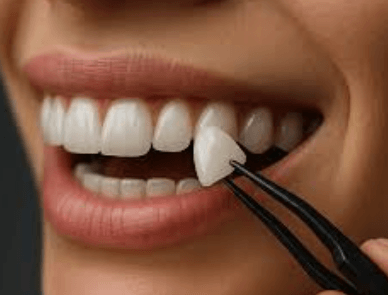
If whitening still feels risky, your dentist might suggest a “shade upgrade” through other cosmetic treatments, such as tooth-colored bonding or porcelain veneers, which can both improve color and shape without repeated bleaching.
3. Using bonding and minimally invasive restorations instead of heavy drilling
For chipped, worn, or uneven teeth, many family dentists favor conservative bonding or minimal-prep veneers when sensitivity is a concern. The idea is to remove as little natural tooth as possible. Less drilling usually means less irritation to the nerve and less risk of long-term sensitivity.
For example, instead of deeply reducing a tooth for a full crown, your dentist may use a small bonded composite to rebuild a worn edge or close a small gap. The cosmetic result can be significant, yet the tooth structure remains mostly intact.
4. Building in desensitizing steps before, during, and after treatment
Another way family dentists personalize care is by layering in protection at every stage. They may recommend specific desensitizing toothpastes containing potassium nitrate or stannous fluoride for several weeks before cosmetic work. The American Dental Association provides guidance on choosing toothpastes that are safe and effective for sensitivity. During treatment, they can apply professional strength desensitizers, use local anesthesia more generously, and pace visits so your teeth are not stressed all at once.
After treatment, you might receive a home kit with custom trays and a mild desensitizing gel, along with clear instructions on what to avoid eating or drinking while your teeth settle down.
5. Coordinating cosmetic changes with bite and jaw comfort
Sometimes teeth are sensitive because they are overloaded when you chew or clench. If your bite is slightly off, small cosmetic changes can either help or hurt. A thoughtful dentist will look at how your teeth meet, not just how they look in the mirror.
They may adjust your bite gently after bonding or veneers so certain teeth do not take too much force. If you grind at night, they may include a night guard as part of your family and cosmetic dentist plan. This protects both your new cosmetic work and your sensitive teeth over time.
How do customized plans compare to “one size fits all” cosmetic fixes?
It can be tempting to try quick online solutions or discount whitening deals, especially if money or time is tight. Yet when sensitivity is involved, a tailored approach usually saves you pain and cost in the long run.
Here is a simple comparison to help you see the difference.
| Approach | Pros for Sensitive Teeth | Risks or Drawbacks | Best For |
|---|---|---|---|
| DIY or generic whitening kits | Low cost. Easy to buy and start at home. | Often no assessment of underlying sensitivity. Gel may contact exposed roots. Higher chance of sharp pain or lingering sensitivity. | People with strong enamel and no history of sensitivity. |
| One size fits all cosmetic clinic deals | Fast results. Package pricing can seem attractive. | Limited time for diagnosis. Protocols may not be adjusted for sensitive teeth. Pressure to complete all work quickly. | Simple cases without existing dental issues. |
| Customized family dentist plan for sensitive teeth | Thorough exam. Treatments chosen and sequenced around your sensitivity. Built-in desensitizing steps and bite checks. | May take longer. Upfront cost can be higher, though often fewer complications later. | Anyone with existing sensitivity, gum recession, grinding, or past bad experiences. |
When you see it laid out this way, the question becomes less “Can I afford a customized plan?” and more “Can I afford another painful misstep that makes my teeth even more sensitive?”
See also: How Diet Impacts Your Oral Health More Than You Realize
Three practical steps you can take right now
1. Track your sensitivity and bring specific notes
Before you visit a dentist, spend a week paying attention to your triggers. Is it cold, heat, sweets, brushing, or biting? Does the pain last a second or linger? Write this down. This small step helps your dentist pinpoint causes faster and design a cosmetic plan that avoids your worst triggers.
2. Ask directly for a sensitivity-focused cosmetic consult
When you schedule, say that you are interested in cosmetic options but have sensitive teeth and past bad experiences. Ask if the dentist regularly creates plans for patients like you. During the visit, use questions such as “How will this treatment affect my sensitivity?” and “Is there a gentler option that could still improve my smile?” A good family dentist will welcome these questions and adjust the plan with you, not for you.
3. Start with conservative changes and build from there
You do not have to do everything at once. You might begin with desensitizing care and minor bonding, then reassess whitening or more advanced work later. Think of it as testing how your teeth respond. If your sensitivity stays stable or improves, you can feel more confident moving forward with the next cosmetic step.
Moving toward a better smile without sacrificing comfort
Wanting a brighter, more confident smile when you already live with sensitivity can feel unfair. You may have told yourself that cosmetic care is for people with “perfect teeth” and strong nerves, not for you. That is not true. With a thoughtful, customized plan, your dentist can honor both your comfort and your cosmetic goals.
You deserve care that listens to your story, respects your pain, and still helps you feel proud of your smile. The next move is simple. Reach out to a trusted family and cosmetic dentist, explain your sensitivity openly, and ask for a plan that puts comfort first. You do not have to choose between a beautiful smile and a bearable one. With the right partner, you can have both.