You might be watching your teenager rush out the door in the morning, toothbrush in hand, and wonder whether they are actually brushing or just running water over the bristles. Maybe you notice new cavities showing up at dental visits, or you see them sipping sugary drinks late at night, and a small knot of worry forms in your stomach. You consider calling a dentist in San Diego for advice. You know oral health matters, yet arguing about flossing or limiting soda can turn into one more exhausting battle in a long day of parenting.end
If that sounds familiar, you are not alone. The teen years are a time when kids push for independence, and that often includes pulling away from routines you worked hard to build when they were younger. Because of this tension, you might wonder how to support good habits without nagging or creating more conflict.
Family dentists understand this shift. They work with teens every day, and they use simple, steady strategies that encourage healthier choices over time. In short, they help you carry the load. The heart of it is this. A trusted family dentist for teenagers can turn dental visits into coaching sessions, not just checkups, so your teen hears about oral health from another adult who is calm, consistent, and not emotionally tied to the daily struggle at home.
Here is the core idea. Family dentists promote healthier oral habits in teens by teaching in a way teens can accept, by using science and technology to make problems real and visible, and by working with parents to build routines that actually fit a teen’s life. When those three pieces come together, your teen is far more likely to brush, floss, and think twice before that third energy drink.
Why are teen oral habits so hard to manage, and what is really at stake?
Teenagers are in a unique spot. They want control, they are busier than ever, and they often feel invincible. Oral health can easily slide to the bottom of the list. Late homework, sports, part-time jobs, and social lives all feel more urgent than two minutes with a toothbrush.
This is not just a matter of “they will grow out of it.” Research shows that behaviors built in adolescence often continue into adulthood. According to public health guidance for children ages 12 to 17, nearly all tooth decay is preventable, yet many teens still develop cavities, gum problems, and even early signs of enamel erosion from sugary drinks and poor brushing. These are not small issues. Untreated oral disease can cause pain, missed school, difficulty eating, and long term damage that is expensive to fix later.
So where does that leave you as a parent or caregiver? You might feel stuck between two bad options. Nag constantly and risk more arguments, or back off and worry that your teen’s teeth are slowly paying the price. That tension can feel heavy.
This is where the role of a family dental provider for teens becomes more than just “someone who cleans teeth twice a year.” A good family dentist steps into that gap. They become a neutral voice that your teen can hear differently, with a mix of authority and respect that often lands better than reminders at home.
How do family dentists actually change teen behavior?
Many parents assume that if the dentist simply repeats “brush and floss” every six months, nothing much will change. And they are right. Change happens when the message is tailored to a teen’s world, backed by clear evidence, and connected to goals the teen cares about.
Family dentists who work closely with teens usually focus on three areas that move the needle.
1. How does a family dentist turn education into real habit change?
Teens tune out lectures quickly. They respond better when someone speaks to them directly and respectfully, with clear reasons that matter to them. A skilled family dentist will ask questions first. How often are you brushing? What snacks do you grab after practice? Do your gums ever bleed? They listen, then connect the dots.
For example, instead of saying “You need to floss more,” they might say, “You mentioned your gums bleed when you brush. That is early gum inflammation. Flossing a few times a week can calm that down so brushing does not hurt.” This approach ties the habit to a result the teen can feel.
Family dentists also use age appropriate explanations about bacteria, plaque, and enamel. Many now draw on resources similar to those in the National Institutes of Health oral health reports to explain that tooth decay is an infectious process influenced by diet, hygiene, and time. When teens understand that every sugary snack or forgotten brushing session feeds bacteria that attack the teeth for hours, the “why” behind daily care becomes clearer.
Because of this, a regular family dentist visit turns into coaching. The dentist may set small, specific goals like “Brush twice a day and floss three times a week until your next appointment” instead of vague instructions. Teens are far more likely to follow concrete, measurable steps.
2. How does technology and visual proof make oral health real for teens?
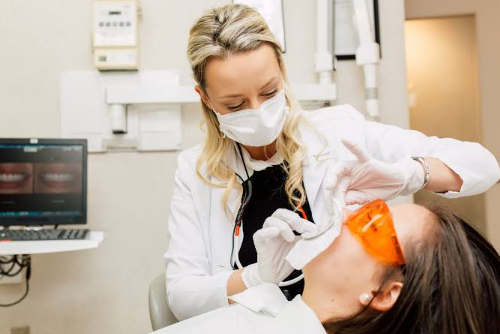
Many teens feel fine. No pain means no problem, in their minds. Family dentists use tools that make hidden issues visible, which can create a powerful wake up call without shaming.
Common examples include:
- Intraoral cameras that show enlarged images of plaque buildup, early cavities, or red, swollen gums on a screen.
- Disclosing tablets or solutions that temporarily color plaque on teeth, so teens can see where they are missing when brushing.
- Simple charts or printouts that track changes in plaque levels or gum health over time.
Imagine your teen seeing a close up of their own molar with a small brown spot starting to form. The dentist might calmly say, “This is early decay. If you improve your brushing around this area and cut back on sugary drinks between meals, we can often keep it from growing.” That visual paired with a clear action plan can be far more persuasive than another argument at home.
Family dentists also use technology to show progress. When a teen returns and their gums look less inflamed or plaque levels drop, the dentist can highlight that improvement. Teens respond well to seeing that their effort makes a difference.
3. How do family dentists help you build routines that actually fit teen life?
Even with education and visuals, habits will not stick if they do not fit daily life. A family dentist understands that teens are busy and often tired at night. Instead of insisting on a perfect routine that no one can maintain, they work with you and your teen to create something realistic.
That might mean:
- Recommending a fluoride toothpaste and a soft brush your teen finds comfortable so brushing feels easier, not harsh.
- Suggesting a simple night stand setup with a travel toothbrush and small toothpaste for teens who fall asleep on the couch or at a desk.
- Talking through snack choices that are less harmful, such as choosing water over soda between meals, or limiting sticky candies to mealtimes.
- Aligning visits for cleaning and checkups with school breaks or sports seasons to reduce missed activities.
Some family dentists also use reminder systems, like text messages or apps, that nudge teens to brush or floss. When that reminder comes from the dental office instead of a parent, it can feel less like nagging and more like support.
See also: How Family Dentistry Encourages Lifelong Oral Hygiene
What are the tradeoffs of “doing it yourself” versus relying on a family dentist?
You might wonder whether consistent home effort is enough, or whether regular care with a family dentist truly changes outcomes. The reality is that both matter. Home care is the daily foundation. Professional guidance and cleanings help prevent small problems from becoming painful and expensive.
The comparison below may help you think through how a family dental care partnership supports your teen.
| Approach | What it looks like | Benefits | Common Risks or Gaps |
|---|---|---|---|
| DIY at home only | Parents teach brushing and flossing, buy supplies, and monitor habits, but teen rarely sees a dentist. | Lower immediate cost. Flexible routine at home. No travel time for appointments. | Hidden cavities or gum disease may go unnoticed. Harder to get teen buy in. No professional cleaning to remove tartar that brushing cannot remove. |
| Regular care with a family dentist | Twice yearly checkups and cleanings, plus targeted advice tailored to the teen’s habits and risks. | Early detection of problems. Neutral coaching voice. Professional cleanings reduce risk of decay and gum disease. Personalized plan based on current research and guidelines. | Requires time off school or activities. Out of pocket costs if not fully covered by insurance. Needs scheduling and follow through. |
| Combined approach | Strong home routine plus scheduled family dentist visits, with parent and dentist aligned on goals. | Best chance of long term healthy habits. Teen hears consistent messages from home and dentist. Problems caught early, often with less invasive treatment. | Requires coordination and communication. May need some trial and error to find a routine that fits your teen. |
Public health guidance for adolescents consistently shows that regular professional care combined with good daily habits greatly reduces decay and gum disease over time. When you think about the cost of fillings, crowns, or emergency visits later, steady prevention often saves money and stress.
Three practical steps you can take now to support your teen’s oral health
You do not have to fix everything overnight. Small, steady steps matter. Here are three actions you can start right away.
1. Have a calm, honest conversation with your teen
Choose a low stress time, not during a rushed morning or a conflict. Share your concern without blame. For example, “I am worried about your teeth because I know how easy it is to get cavities at your age, and I want you to avoid pain and big procedures later.” Ask what makes brushing or flossing hard. Time. Tiredness. Forgetting. Listen fully before suggesting changes.
Then agree on one simple goal for the next month. Maybe it is brushing twice a day, every day, or flossing three nights a week. Keep it specific and realistic. You can adjust later as the habit grows.
2. Partner with a trusted family dentist who understands teens
If your teen has not seen a dentist in the last year, schedule a visit. Look for a family practice that clearly welcomes adolescents and takes time to explain things in plain, respectful language. At the visit, quietly share your concerns with the dentist or hygienist beforehand if possible. Ask them to focus on coaching and education, not only on finding problems.
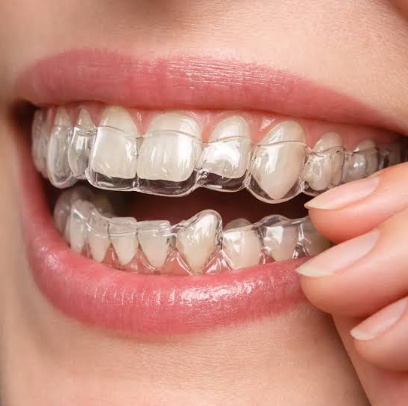
Encourage your teen to ask questions directly. They might wonder about whitening toothpaste, mouth piercings, sports drinks, or aligners. The more your teen feels heard, the more they will see the family dentist as an ally, not an authority figure to endure.
3. Make one environmental change that makes good habits easier
Habits often follow the path of least resistance. Look around your home and see what small change could make oral care more likely. Some ideas include:
- Keeping a second toothbrush and toothpaste in the shower if your teen prefers to brush there.
- Putting a simple floss pick container near their favorite spot where they watch videos or do homework.
- Reducing the amount of soda or sports drinks you buy, and making cold water the easiest choice in the fridge.
- Setting a phone reminder at night that says “Quick brush and floss, then scroll.”
Choose one change, not five. When it becomes part of the routine, you can build from there.
Moving forward with less conflict and more confidence
Teen oral health can feel like one more thing on an already long list, and it is easy to feel you are falling short. You are not. You are navigating a complex stage of life where your child is learning to care for themselves, and that is never simple.
By bringing in the steady support of a family dentist, you are not handing off responsibility. You are building a team around your teen. Education that makes sense, technology that makes problems visible, and routines that fit their real life all work together to create healthier habits that last.
You deserve fewer arguments and more peace of mind. Your teen deserves a future with less pain and fewer avoidable dental problems. A thoughtful partnership with a family dentist can help you both move in that direction, one small step and one honest conversation at a time.