Sydney is home to diverse wildlife, and possums are among the most commonly encountered native animals in suburban areas. Their ability to adapt to urban environments often leads them into roofs, gardens, and sheds where they search for warmth and shelter. While many residents appreciate these nocturnal visitors, possums can sometimes cause noise, property damage, and hygiene concerns.
Because possums are protected wildlife in Australia, dealing with them requires careful and legal handling. Humane solutions that respect both the animal and the homeowner are essential. Understanding the correct approach to possum removal in Sydney helps residents resolve problems safely while protecting the ecosystem.
Understanding Possums in Urban Sydney
Australia is home to several possum species, with the common brushtail possum and the ringtail possum being the most frequently seen in Sydney suburbs. These animals are nocturnal and spend their nights searching for food such as fruit, leaves, and flowers.
Urban areas offer plenty of opportunities for possums. Roof cavities mimic the hollow trees they naturally inhabit, while gardens provide reliable food sources. When possums move into residential spaces, they can create disturbances such as:
- Loud scratching or thumping sounds at night
- Damage to insulation and wiring in roof spaces
- Strong odours caused by droppings or nesting materials
- Garden destruction from feeding activities
Despite these inconveniences, possums play an important role in maintaining ecological balance. They help with seed dispersal and contribute to the health of local plant life. This is why Australian wildlife laws prioritize humane control rather than harm.
Why Possums Are Protected in Australia
Possums are protected under the National Parks and Wildlife Act in New South Wales. This law ensures that native wildlife is not harmed, relocated illegally, or killed without proper authorization.
Key legal guidelines include:
- Possums must not be harmed or killed without special permits
- Trapped possums must be released within a short distance of where they were captured
- Relocating possums far away from their territory is illegal
- Only licensed wildlife professionals can perform certain removal methods
These rules exist because possums rely heavily on familiar territories. Moving them too far from their home area reduces their chances of survival.
For homeowners experiencing persistent problems, professional assistance from services specializing in Possum removal Sydney ensures the situation is handled within legal boundaries.
Signs You May Have a Possum Problem
Before arranging removal services, it is important to confirm whether possums are actually present. Many homeowners mistake rats or birds for possums due to nighttime noises.
Common signs of possum activity include:
- Heavy footsteps or thumping sounds in the roof during the night
- Distinct scratching noises in walls or ceilings
- Possum droppings near roof entry points
- Visible damage to roof tiles or vents
- Greasy marks or fur near entry holes
Possums usually enter through small gaps in roof structures, broken tiles, or uncovered vents. Identifying these access points is the first step toward solving the problem effectively.
Humane Possum Removal Methods
Removing possums safely requires a thoughtful and ethical approach. Professional wildlife controllers use humane strategies that prevent harm while resolving conflicts between animals and homeowners.
One Way Exit Doors
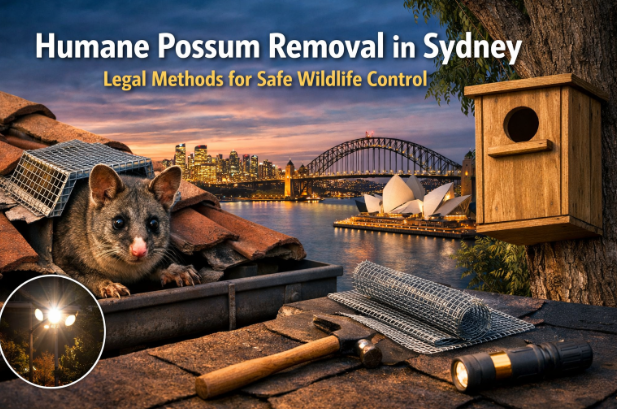
One of the most effective solutions is installing one way exit doors over the possum’s entry point. These devices allow the possum to leave the roof but prevent it from returning.
This method works well because possums typically leave their nests each night to search for food. Once outside, the sealed entry prevents re entry.
Roof Inspection and Sealing
After the possum exits, professionals carefully inspect the roof to identify potential entry points. All gaps and holes are sealed to prevent future invasions.
Common areas that require sealing include:
- Broken roof tiles
- Open vents or chimney gaps
- Damaged eaves or fascia boards
- Loose roof sheets
This step is essential because possums are persistent and may attempt to return to familiar nesting spaces.
Installing Possum Boxes
A humane alternative shelter is often installed nearby. Possum boxes provide a safe habitat in trees, allowing the animal to remain within its territory while staying out of the roof.
These boxes mimic natural tree hollows and encourage possums to relocate voluntarily.
Gentle Deterrents
In some situations, simple deterrents can encourage possums to leave naturally. These methods include:
- Installing motion sensor lights
- Using mild scent deterrents
- Trimming tree branches that connect to roofs
While deterrents alone may not solve serious infestations, they can help discourage possums from settling in certain areas.
Why Professional Removal Is Important
Attempting to remove possums without proper knowledge can lead to legal issues or ineffective results. Possums are territorial and intelligent animals, so incorrect handling often leads to repeated problems.
Licensed wildlife professionals understand possum behavior and legal requirements. They ensure removal methods follow wildlife protection regulations and provide long term prevention strategies.
Professional services also reduce risks such as:
- Injury from handling wild animals
- Roof damage caused by improper removal attempts
- Illegal relocation penalties
- Recurring infestations
For residents living in northern suburbs, services offering Possum removal North Shore specialize in handling possum issues common to leafy residential neighborhoods where wildlife activity is frequent.
See also: The Innovation Lifecycle in Technology
Preventing Possums From Returning
Once possums have been removed, prevention becomes the most important step. Urban environments make it easy for possums to find shelter, so homeowners should reduce attractive nesting opportunities.
Practical prevention strategies include:
- Regular roof inspections to detect gaps early
- Installing mesh over vents and chimneys
- Trimming tree branches that touch the roof
- Keeping outdoor areas clean of food scraps
- Securing compost bins and garden waste
Home maintenance plays a major role in wildlife prevention. Even small openings in roof structures can provide easy access for possums.
Environmental Benefits of Humane Wildlife Control
Humane wildlife control protects both animals and communities. Rather than eliminating possums, ethical removal methods encourage coexistence.
Benefits of humane control include:
- Protecting native wildlife populations
- Maintaining ecological balance
- Reducing stress and injury for animals
- Supporting conservation efforts in urban areas
Possums are an important part of Australia’s biodiversity. Respectful management ensures that urban development does not come at the cost of native species survival.
By choosing responsible removal solutions, residents contribute to sustainable wildlife management while keeping their homes comfortable.
When to Seek Help From Wildlife Specialists
Not every possum sighting requires removal. Seeing a possum in the garden or on a fence is normal and usually harmless. However, certain situations require professional intervention.
Consider contacting wildlife specialists if you experience:
- Continuous roof noises at night
- Structural damage caused by possums
- Strong smells or droppings in roof cavities
- Repeated possum entries despite deterrents
Professionals conduct a detailed inspection and recommend safe solutions tailored to each property. Services providing Possum removal Sydney are trained to handle these situations quickly and responsibly.
Early intervention prevents larger problems and helps ensure possums are managed humanely.
Living Peacefully With Sydney’s Native Wildlife
Sydney’s suburbs share space with a wide variety of native animals. Possums are simply one of many species that have adapted to city living. While conflicts sometimes arise, understanding their behavior and following legal removal practices allows residents to manage wildlife responsibly.
Humane solutions protect both homes and animals, creating a balance between urban development and nature. By using professional assistance when needed and maintaining preventative measures, homeowners can enjoy peaceful living while respecting Australia’s remarkable wildlife.