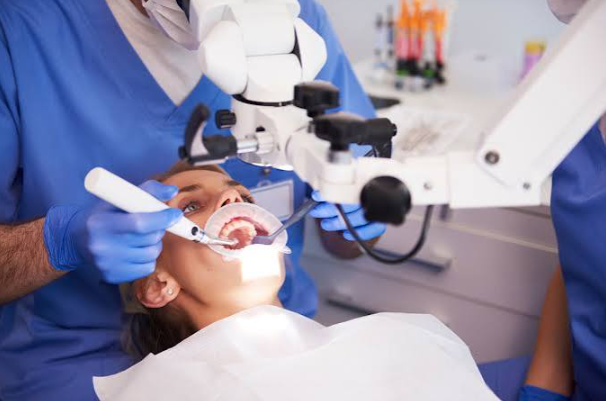
You finally decided to move forward with a smile upgrade, and hearing that you need to wait can feel frustrating. You may have already budgeted for it, arranged time off, or built yourself up for the appointment. Then your dentist says the procedure should be postponed. That does not always mean something is wrong in a major way. It usually means your mouth needs a better foundation first, especially before comprehensive dental restoration Canton, so the result looks better, lasts longer, and does not put your health at risk.
Many cosmetic dental procedures are elective, but they still depend on healthy teeth, gums, and bone. Whitening, veneers, bonding, crowns, and implants all work best when infection, inflammation, and uncontrolled health issues are addressed first. A short delay now can prevent pain, extra cost, and disappointing results later.
Gum disease can make cosmetic dentistry fail sooner
If your gums bleed when you brush, feel tender, or look swollen, your dentist may pause treatment until that is under control. Gum disease affects the tissue that supports your teeth, and cosmetic work placed on top of inflamed gums often looks uneven or becomes harder to maintain. Veneers and crowns can sit near the gumline, so if the gums later recede, the final look changes.
This is one of the most common reasons for postponing esthetic dental treatment. Untreated periodontal disease can also lead to bone loss and loose teeth. The CDC explains how gum and periodontal disease can damage the structures that hold teeth in place. If the goal is a better smile, healthy gums come first.
See also: Compulsive Sexual Behaviour: When Sexual Behaviour Starts Controlling Daily Life
Tooth decay or infection needs treatment before appearance work
A tooth can look like it only needs cosmetic improvement when the real issue is deeper. A small dark spot, old filling leak, or hidden crack can turn into pain once a veneer or crown is placed over it. If there is decay, an abscess, or nerve irritation, covering the tooth without fixing the cause usually leads to more treatment later.
You might have gone in hoping for whitening or bonding and left hearing that you need a filling or root canal first. That can feel like a detour, but it is the right one. Cosmetic work should not hide active disease.
Uncontrolled diabetes can slow healing and raise infection risk
If you have diabetes and your blood sugar is not well managed, your dentist may recommend waiting, especially for procedures that affect the gums or require healing time, such as implants, gum contouring, or multiple restorations. High blood sugar can make it harder for your body to heal and can increase the chance of infection.
The CDC outlines the link between diabetes and oral health, including a higher risk of gum disease. In real life, that can mean a procedure that should heal smoothly ends up taking longer or producing less predictable results. A delay gives you a better shot at a stable outcome.
Tobacco use can affect healing, staining, and long term results
Smoking and other tobacco use can change the success of both cosmetic and restorative dental work. Tobacco slows healing, increases gum problems, and causes staining that can shorten the fresh look of whitening or veneers. If you are getting implants or gum related treatment, the risk is even higher.
The FDA describes how tobacco use affects oral health, including delayed healing and a greater risk of gum disease. Your dentist may ask you to stop or reduce tobacco use before moving ahead. That is not a punishment. It is an effort to protect the result you are paying for.
Teeth grinding can damage new cosmetic work
If you clench or grind your teeth, especially at night, cosmetic treatment may need to wait until that habit is addressed. Grinding can chip bonding, crack veneers, wear down crowns, and create jaw pain that makes bite adjustment harder. Sometimes people do not even know they grind until a dentist sees wear patterns or asks about morning headaches.
In these cases, your dentist may suggest a night guard, bite adjustment, or a staged treatment plan. Skipping that step can mean replacing cosmetic work much sooner than expected.
Bite problems and jaw instability can change the final result
Your smile is not just about tooth color and shape. Your bite matters. If your upper and lower teeth do not meet properly, if a tooth is shifting, or if your jaw joint is irritated, cosmetic changes may not hold up well. A veneer that looks perfect on day one can chip or feel awkward if your bite keeps forcing pressure onto the wrong spot.
This is where a delay can save money. Correcting alignment, replacing a missing tooth, or stabilizing your bite before a smile makeover often leads to a more natural and durable result.
When delaying a cosmetic dental procedure protects your investment
| Issue Found First | What Can Happen If Cosmetic Work Proceeds Too Soon | What Dentists Often Recommend First |
|---|---|---|
| Gum disease | Bleeding, gum recession, poor appearance around veneers or crowns | Deep cleaning, periodontal care, home care improvement |
| Tooth decay or infection | Pain, treatment failure, hidden damage under restorations | Fillings, root canal treatment, extraction if needed |
| Uncontrolled diabetes | Slow healing, infection risk, unstable results | Medical follow up and better blood sugar control |
| Tobacco use | Delayed healing, staining, higher implant and gum risk | Tobacco reduction or cessation plan |
| Teeth grinding | Chipped veneers, broken bonding, jaw pain | Night guard, bite evaluation, habit management |
| Bite or jaw problems | Uneven wear, discomfort, short lived cosmetic result | Occlusal adjustment, orthodontic planning, restorative stabilization |
What you can do before your cosmetic dentist reschedules treatment
Get clear on the reason for the delay. Ask whether the issue is temporary, how it affects the planned work, and what needs to happen before treatment can move forward. A short conversation can replace a lot of guesswork and worry.
Handle the health issue first. If the problem is gum disease, decay, diabetes control, or grinding, treat that as part of the cosmetic process, not a separate annoyance. This step often determines how good your final result will look and how long it will last.
Ask for a revised timeline and budget. Delays feel worse when everything is vague. Ask what comes first, what can be done later, and whether any parts of the original plan need to change. A good cosmetic dentist can map out the sequence so you know what to expect.
A delayed smile makeover can still be the right path
Waiting is hard when you were ready to change something that has bothered you for years. Still, a delay does not mean the door is closed. It often means your dentist is protecting your health, your comfort, and the quality of the final result. Getting the foundation right first gives your general and cosmetic dentist the best chance to create a smile that feels as good as it looks.
If your treatment has been postponed, ask for a clear plan for the next step and the timeline to restart care. That kind of guidance can turn a setback into progress.