You brush, you floss when you can, and you tell yourself you will schedule that dental visit soon. Then life gets busy, your tooth does not hurt, and it feels easy to put it off again. A lot of people live in that exact space, and many turn to dentists in Richland Parish, caught between wanting to stay healthy and not wanting one more appointment, one more bill, or one more lecture.
That is where preventive dental care matters most. The goal is not to wait for pain and react. The goal is to catch small problems early, lower your risk of gum disease and tooth decay, and protect your health before treatment gets complicated or expensive. The 6 preventive services general dentists recommend to patients all work toward that same outcome, fewer surprises and a healthier mouth that stays stable over time.
Preventive dental services help stop small problems from turning into major treatment
Most dental problems do not begin with a dramatic symptom. Cavities often start quietly. Gum disease can progress with little pain. Enamel wear, grinding, and early infections can sit under the surface until they become harder to ignore and harder to fix. That is why a general dentist focuses so much on prevention. The best appointment is often the one where nothing serious is found because someone checked in time.
Routine exams come first for a reason. A dental exam gives your dentist a chance to look for decay, gum inflammation, bite issues, oral cancer warning signs, and changes in existing fillings or crowns. You may feel fine and still have an issue developing. That disconnect is common, and it is exactly why preventive care works.
Professional cleanings are just as practical. Plaque hardens into tartar, and once that happens, brushing at home cannot remove it. Cleanings reduce buildup, lower the risk of gum irritation, and give your teeth a reset. If your gums bleed when you floss, or you notice bad breath that keeps coming back, that is often your mouth telling you it needs more support.
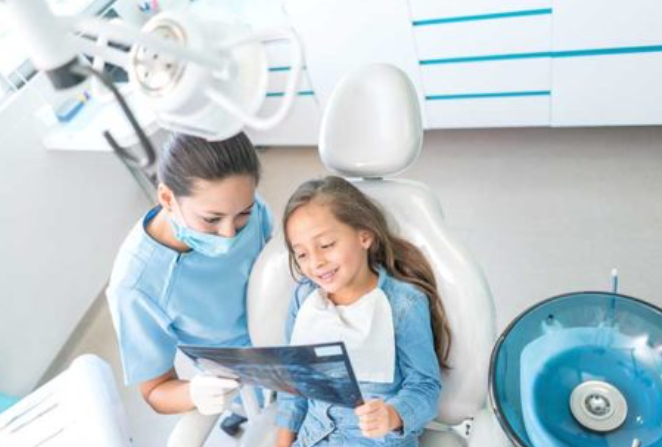
Dental X rays also belong on this list, even if people tend to tense up when they hear about them. X rays help dentists spot issues that are easy to miss during a visual exam, including decay between teeth, bone loss, impacted teeth, and infections under the gumline. Finding those problems early can mean a filling instead of a root canal, or monitoring instead of urgent treatment.
Fluoride treatment is another preventive service that adults often underestimate. Fluoride strengthens enamel and helps teeth resist decay, which matters even more if you have dry mouth, gum recession, a history of cavities, or frequent snacking. The CDC shares useful oral health tips for adults that support this same idea, prevention works best when daily habits and professional care reinforce each other.
Dental sealants are usually linked to children, but they can help some teens and adults as well, especially on molars with deep grooves that trap food and bacteria. According to the CDC’s information about dental sealants, sealants provide a protective barrier that helps prevent cavities in vulnerable chewing surfaces.
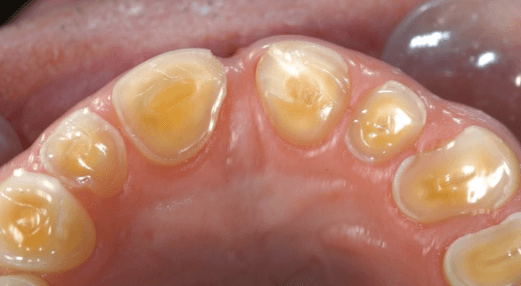
Mouthguards and night guards round out the list. These are preventive devices, not cosmetic extras. If you grind your teeth in your sleep, clench your jaw under stress, or play sports, a custom guard can protect enamel, reduce fractures, and ease strain on your jaw. You may not realize how much pressure your teeth take until you start waking with headaches or notice chips that seem to appear out of nowhere.
General dental prevention costs less stress than delayed treatment
People often avoid preventive visits because they are trying to save money, avoid discomfort, or make time for more urgent things. That logic makes sense in the moment. The problem is that untreated dental issues rarely stay small. A bit of sensitivity can turn into a cavity, then deeper decay, then a cracked tooth or infection. Gum inflammation can become gum disease, and gum disease can affect chewing, appearance, and long term oral health.
There is also the mental load. When you know something might be wrong, even if you are avoiding it, it sits in the background. You chew on one side. You avoid cold drinks. You hope the bleeding stops on its own. Preventive dentistry reduces that constant low grade worry because it replaces guessing with actual information.
Comparing preventive dental care with delayed treatment
| Service | Preventive Benefit | If Delayed |
| Dental exam | Finds early decay, gum issues, and bite problems | Problems may progress without symptoms |
| Professional cleaning | Removes tartar and lowers gum disease risk | More inflammation, bleeding, and deeper cleanings may be needed |
| Dental X rays | Shows hidden decay, bone loss, and infection | Damage may only be found after pain or swelling starts |
| Fluoride treatment | Strengthens enamel and lowers cavity risk | Higher chance of decay, especially with dry mouth or recession |
| Sealants | Protects deep grooves in molars from cavities | Food and bacteria collect more easily in hard to clean areas |
| Night guard or sports mouthguard | Protects teeth from grinding, clenching, and impact | Chips, cracks, enamel wear, and jaw pain may worsen |
If you want a broader view of the connection between oral health and overall health, the NIH provides a helpful overview on oral and dental health. Your mouth is not separate from the rest of your body, and prevention reflects that.
Simple steps make preventive dentistry easier to keep up with
Schedule before something hurts. Pain is a late signal in dentistry. If you wait for a toothache, you are often past the point of the simplest fix. Put routine visits on the calendar the same way you handle annual physicals or car maintenance.
Ask which preventive services fit your actual risk. Not everyone needs the same approach. If you grind your teeth, have deep grooves in your molars, deal with dry mouth, or have a history of cavities, say so. Preventive oral care works best when it matches your habits and health history.
Watch for the quiet warning signs. Bleeding gums, bad breath that lingers, sensitivity, jaw soreness, and worn edges on teeth are all worth mentioning. They may seem minor, but they often point to issues a dentist can address early.
See alslo: Best Business Setup Company in Dubai: How to Choose the Right Business Partner
Preventive oral care gives you more control
You do not need a perfect routine to benefit from prevention. You just need consistency and a willingness to deal with problems while they are still manageable. That is the real value behind preventive dental services and regular visits with a dentist. Less guesswork, fewer emergencies, and a better chance of keeping your natural teeth healthy for the long haul.
If it has been a while since your last visit, this is a good time to schedule one and ask which of these six services make sense for you.