The Silent Language of Tooth Wear
Teeth tell stories that their owners often don’t realise they’re sharing when they go for a check up with their dentist Port Macquarie. Every grinding motion during sleep, every clenched jaw during a stressful day at work, and every habitual chewing pattern leaves behind evidence that trained dental professionals can read like a map. These wear patterns provide invaluable insights into a patient’s stress levels and lifestyle habits, forming the foundation for designing protective appliances that genuinely address individual needs rather than offering one-size-fits-all solutions.
The relationship between psychological stress and dental wear has become increasingly recognised within the dental community. When individuals experience heightened stress or anxiety, the body often responds with unconscious behaviours such as teeth grinding (bruxism) and jaw clenching. These actions, frequently occurring during sleep when conscious control is absent, create distinctive patterns of wear on tooth surfaces that reveal both the intensity and nature of the forces being applied.
Decoding the Patterns of Dental Attrition
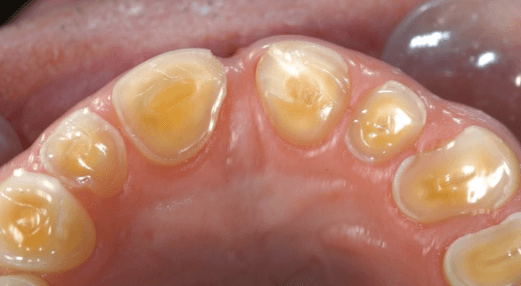
Different types of tooth wear indicate different underlying behaviours and stress responses. Attrition, the wear caused by tooth-to-tooth contact, typically presents as flattened surfaces on the biting edges of teeth. The clinical signs of bruxism extend beyond simple flattening, however, and can include fractured enamel, exposed dentine, and even damage to existing dental restorations.
When examining these patterns, dental practitioners consider several factors. The location of wear provides clues about jaw movement during grinding episodes. Symmetrical wear across multiple teeth suggests lateral grinding movements, whilst concentrated wear on specific teeth may indicate focused clenching. The depth and extent of wear correlate with both the duration and intensity of the grinding behaviour, offering insights into how long the issue has persisted and how severe the stress response has become.
The Stress-Bruxism Connection
Research into tooth wear and bruxism continues to illuminate the complex relationship between mental wellbeing and oral health. Stress doesn’t merely contribute to grinding; it fundamentally alters the intensity and frequency of these unconscious behaviours. Patients experiencing chronic stress often display more aggressive wear patterns, with some cases showing remarkably rapid deterioration of tooth structure over relatively short periods.
The physiological mechanisms behind this connection involve elevated muscle tension and altered sleep patterns. When stress hormones remain elevated, the masticatory muscles maintain higher baseline tension levels, making grinding episodes more forceful. Additionally, stress-related sleep disturbances can increase the frequency of these episodes, compounding the damage to tooth structure over time.
Designing Protective Appliances Based on Individual Wear Patterns
Understanding the specific wear patterns present in a patient’s mouth allows dental professionals to design protective appliances that address the precise forces and movements causing damage. Rather than providing generic splints, modern approaches involve creating customised devices that accommodate individual jaw anatomy, movement patterns, and the severity of grinding behaviour observed through wear analysis.
Material Selection and Appliance Configuration
The choice of materials for protective appliances depends heavily on the wear patterns identified. Patients exhibiting severe grinding may require harder, more durable materials that can withstand substantial forces without deteriorating quickly. Conversely, those with primarily clenching behaviours might benefit from slightly softer materials that cushion the jaw joints whilst still protecting tooth surfaces.
The configuration of the appliance itself must reflect the patient’s specific movement patterns. Lateral grinders require broader coverage and particular attention to the guidance surfaces that direct jaw movement. Vertical clenchers need designs that provide adequate thickness to reduce pressure on the temporomandibular joints whilst preventing further tooth damage. Understanding bruxism and its clinical presentation helps inform these design decisions.
The Role of Regular Monitoring
Protective appliances themselves develop wear patterns over time, providing ongoing feedback about the patient’s grinding behaviour and stress levels. Regular examinations by a dental team allow for assessment of how well the appliance is performing and whether adjustments are needed. Changes in appliance wear patterns may indicate shifts in stress levels or the development of new grinding behaviours that require design modifications.
See also: Best Business Setup Company in Dubai: How to Choose the Right Business Partner
Protecting Dental Health Through Understanding
The analysis of dental wear patterns represents a sophisticated approach to understanding the physical manifestations of stress on oral health. By recognising these patterns and responding with appropriately designed protective appliances, dental professionals can help patients preserve their natural tooth structure whilst addressing the underlying behavioural patterns. This personalised approach acknowledges that each patient’s stress response is unique, requiring individualised solutions rather than standardised interventions. Through careful observation, thoughtful design, and ongoing monitoring, protective appliances can serve as both shield and diagnostic tool in managing the long-term consequences of stress-related dental wear.