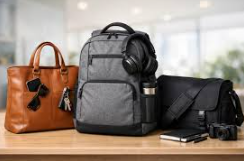
Choosing an everyday bag is about finding the right balance between appearance, capacity, comfort, and practicality. A well-designed accessory can make daily routines easier by keeping essential belongings together while complementing different outfits. Whether the day involves work, shopping, commuting, travelling, or meeting friends, the right bag should fit naturally into the way you live.
A tote bag can be especially useful for people who prefer a spacious interior and straightforward access to their belongings. Its practical shape can accommodate more than a compact handbag while still working with a variety of casual and professional looks. However, not every tote has the same features, and choosing one requires attention to details beyond its overall appearance.
Understanding size, material, handle design, organisation, and styling options can help shoppers make a more informed choice.
Understanding the Purpose of a Tote
One of the defining characteristics of a tote is its practical capacity. Many designs feature a relatively open interior that makes it easy to place and remove everyday belongings.
This can be useful for people who carry several items throughout the day. A tote may accommodate a wallet, phone, keys, cosmetics, notebook, sunglasses, charger, or other personal essentials depending on its size.
However, a spacious interior should not encourage unnecessary packing. Carrying too many items can increase the overall weight and make the bag less comfortable.
Before choosing a design, think about the situations in which you will use it most often. A work tote may require different features from one intended primarily for shopping or weekend activities.
Choosing the Right Material
Material influences the appearance, weight, texture, and maintenance requirements of a bag.
Leather can provide a refined and versatile appearance, making it suitable for both casual and more polished outfits. Depending on the finish, it can have a smooth, textured, structured, or softer visual character.
When considering a tote bag look beyond the main material. Examine the stitching, edges, handles, lining, closures, and hardware as well.
These construction details can influence how the bag feels and performs during regular use. It is also important to understand the care requirements before purchasing, particularly when choosing a material that needs specific cleaning or storage methods.
Selecting the Appropriate Size
Size is one of the most important factors when choosing an everyday bag.
A smaller tote may be sufficient for someone who carries only a few essentials. A larger design can provide additional space for work-related belongings, shopping items, or other necessities.
Instead of choosing a size based solely on photographs, check the actual dimensions. Think about the largest items you expect to carry and whether they will fit comfortably.
Small options
Smaller designs can be convenient for short outings and casual activities. They provide some of the practical character of a tote while keeping the overall appearance compact.
Medium options
Medium-sized designs can offer a useful balance between storage and portability. They may be suitable for everyday errands, work, and social activities.
Large options
Larger totes can provide substantial capacity, but they should be selected carefully. More space can be helpful, but excessive size may lead to overpacking and additional weight.
Considering Handle Design
Handles have a significant effect on how a tote is carried.
Shorter handles may be suitable for hand or forearm carrying, while longer handles can make it easier to place the bag over the shoulder.
If you expect to carry the bag for several hours, comfort should be a priority. Consider handle width, length, material, and attachment points.
A heavily loaded bag can put additional pressure on its handles. For this reason, examine how securely the handles connect to the body of the bag.
Adjustable or multiple carrying options can also increase versatility, particularly for people whose routines change throughout the day.
Organising the Interior
A large interior is useful, but organisation can make that space much easier to manage.
Some totes feature a single open compartment, while others include zipped pockets, slip pockets, dividers, or dedicated sections.
Think about your own habits when deciding which arrangement is most useful. If you frequently carry keys, cards, earbuds, or other small belongings, internal pockets can help keep them accessible.
People who carry larger or irregularly shaped objects may prefer a more open interior. The ideal design depends on what you normally carry rather than the number of compartments alone.
Choosing a Secure Closure
Different tote designs use different closure systems.
An open-top design provides quick access and can be convenient during shopping or everyday activities. A zippered closure can offer additional security, while magnetic or flap closures provide different combinations of accessibility and coverage.
Consider your typical environment. If you regularly travel through busy public spaces, a more secure closure may be useful.
At the same time, think about convenience. A closure that is difficult to operate may become frustrating if you need to access the contents frequently.
Matching the Bag to Your Wardrobe
A versatile bag should work with the clothing you already own.
Neutral colours such as black, brown, beige, and tan can complement many outfits. They can be especially useful when the bag is intended for frequent use.
More vibrant shades can add personality and create a focal point. A colourful tote may work particularly well with simple clothing in neutral tones.
The shape also matters. Structured designs can complement tailored clothing, while softer totes may suit relaxed outfits.
Rather than trying to match every accessory exactly, consider coordinating colours, textures, or overall style.
Using a Tote for Work
A tote can be a practical choice for professional routines when the size and structure are appropriate.
Before choosing one for work, consider what you normally need to carry. Documents, notebooks, chargers, personal items, and electronic devices may require more interior space.
If you plan to carry a tablet or laptop, check the actual dimensions of both the device and the bag. A spacious-looking interior does not always mean that a particular device will fit comfortably.
A structured silhouette can also create a polished appearance suitable for professional clothing.
Using a Tote for Travel and Shopping
Totes can also be useful outside the workplace.
For shopping, an accessible interior can make it easy to place and remove belongings. For short trips, a larger tote can provide additional room for personal essentials.
During travel, organisation becomes particularly important. Easy-access pockets can be useful for items that need to be reached quickly, while secure closures can help keep belongings contained.
However, weight should always be considered. A large tote can become uncomfortable when filled with too many items, especially during extended periods of walking.
Caring for a Leather Tote
Proper maintenance can help preserve the appearance of a leather accessory.
Always follow the manufacturer’s care instructions because different finishes may require different products and techniques.
For routine care, gently remove surface dust with a suitable soft cloth. Avoid applying household cleaning products unless they are specifically recommended for the material.
Protect the bag from excessive moisture and prolonged direct sunlight. If it becomes wet, follow the recommended drying process rather than exposing it to unnecessary heat.
When storing the bag, keep it in a dry environment and use suitable protective storage where appropriate. Avoid placing heavy objects on top of it or storing it in a way that distorts its shape.
Avoiding Common Buying Mistakes
One common mistake is choosing a bag based entirely on appearance.
A design may look attractive but prove inconvenient if the handles are uncomfortable, the interior is too small, or the closure is difficult to operate.
Another mistake is choosing a bag that is larger than necessary. Extra capacity can encourage unnecessary packing and increase the overall weight.
Ignoring maintenance requirements can also create problems. Before purchasing, make sure you understand how the material should be cleaned and stored.
Finally, consider whether the design works with your existing wardrobe. A versatile bag is more likely to receive regular use than one that only suits a limited number of outfits.
Frequently Asked Questions
1. What should I consider when choosing a tote?
Consider the size, material, handle length, interior organisation, closure, weight, colour, and intended use. Your daily routine should determine which features matter most.
2. Can a tote be used as a work bag?
Yes, depending on its size and structure. If you plan to carry documents or electronic devices, check the bag’s dimensions carefully before purchasing.
3. How can I keep a tote comfortable when carrying it?
Avoid overloading it and carry only the items you genuinely need. Choosing comfortable handles and an appropriate size can also make a significant difference during extended use.
Conclusion
A well-chosen tote can provide a practical combination of storage and personal style. Its spacious design can make everyday routines easier, while the right material, colour, and structure can allow it to work with different outfits and occasions.
The best choice depends on individual needs. By considering capacity, carrying comfort, organisation, closure, maintenance, and wardrobe compatibility before buying, shoppers can select an everyday accessory that is both functional and visually appealing.