You might not think twice when someone says, “Can I borrow your tray for a night?” It can seem harmless, especially in a busy home where sports gear, bathroom counters, and oral care items all get mixed together. But the moment a retainer, mouthguard, or whitening tray moves from one mouth to another, the risk changes. What looked like a simple favor can expose you to bacteria, fungi, viruses, and a fit problem that may lead to pain or damage. If you have questions about oral appliance safety, a dentist in Waldorf, Maryland can help.
That is the short answer. Sharing retainers, mouthguards, and whitening trays is unsafe because these items are custom made for one person’s teeth and gums, and they can carry germs that routine rinsing does not fully remove. If you have been wondering whether it is really that serious, the answer is yes. It is worth taking seriously, and it is also easy to prevent once you know what matters.
Why does sharing oral appliances create real health risks?
Anything that sits in your mouth collects more than saliva. It can pick up plaque, blood from irritated gums, yeast, and bacteria linked to cavities and gum disease. If you wear a tray when you are sick, it may also carry organisms you do not want to pass on. The CDC’s oral health guidance explains how oral bacteria can affect overall health, especially when oral hygiene slips.
Because of that, these appliances are not like borrowing a hairbrush or a jacket. They spend hours pressed against teeth and soft tissue, often in a warm, moist space where germs do well. A quick rinse under tap water may remove debris, but it does not make the item safe for someone else to use.
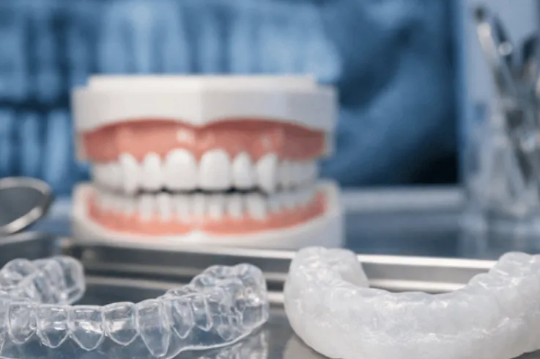
And then there is the fit. A retainer is shaped to one mouth. A sports mouthguard is designed to cushion one bite pattern. A whitening tray should hug one set of teeth so gel stays where it belongs. When someone else uses it, pressure points can form, teeth can feel sore, gums can become irritated, and whitening gel may leak onto soft tissue and cause burning. So, where does that leave you? With a clear rule that protects both comfort and health.
See also: Why Preventive Dentistry Contributes To A Better Quality Of Life
What can happen if you share a retainer, mouthguard, or whitening tray?
The risks are not just theoretical. If one person has untreated decay, gum inflammation, oral thrush, or a cold sore, sharing can raise the chance of passing microbes along. Even if no one has obvious symptoms, a mouth can still carry organisms that should not be transferred.
Picture a teenager forgetting a mouthguard before practice and borrowing a sibling’s. It feels practical in the moment, but that borrowed guard may fit poorly and fail to protect the teeth during contact. Or imagine someone using another person’s whitening tray because “it is only for a few days.” If the tray does not fit, the gel can spread onto the gums, leading to irritation while also whitening unevenly. A borrowed retainer can be even worse. It may press teeth in the wrong places, causing discomfort without helping retain alignment at all.
Never share dental trays is not an overreaction. It is a simple way to avoid preventable problems. For more everyday guidance, the CDC’s adult oral health tips and MedlinePlus dental health resources both reinforce the value of personal oral care habits and clean dental devices.
How do shared oral appliances compare to using your own properly fitted device?
When people share these items, they are usually trying to save time or avoid cost. That makes sense. Still, the short term convenience often creates a bigger problem later. A replacement mouthguard or retainer is far easier to deal with than an infection, tissue irritation, or dental injury.
| Item | Using Your Own Device | Sharing Someone Else’s Device |
| Retainer | Fits your teeth, supports proper alignment, lowers irritation risk | Poor fit, discomfort, possible unwanted tooth pressure, germ transfer risk |
| Mouthguard | Designed for your bite, better protection during sports, more comfortable breathing and speaking | Less protection, loose or tight fit, higher injury risk, saliva and bacteria exposure |
| Whitening Tray | Even gel placement, lower gum irritation, more predictable results | Gel leakage, gum burning, uneven whitening, contamination risk |
This is one of those situations where “close enough” really is not close enough. A custom dental appliance works because it is personal. Once that personal boundary is crossed, the benefit drops and the risk rises.
What should you do instead if a device is lost, broken, or needed right away?
If a retainer is lost, do not borrow one. If a mouthguard is missing before a game, do not swap with a teammate or sibling. If you want whitening help, do not use another person’s tray. Instead, take the next best safe step.
1. Stop using shared devices right away.
If you have already shared one, stop now and clean your own oral care items. Watch for sore spots, gum irritation, bad taste, swelling, or signs of illness. If anything feels off, schedule a dental visit.
2. Replace the item with one made for you.
A general and family dentist can help you replace a retainer, fit a mouthguard, or provide whitening trays that match your teeth. This usually saves time and frustration because the device is meant to work with your mouth, not against it.
3. Build simple storage and cleaning habits at home.
Keep each appliance in a labeled case, never loose in a bathroom or sports bag. Rinse after use, clean as directed, and let it dry when appropriate. In family homes, labels matter more than people think. They prevent mix ups before they happen.
Why is this one small rule worth following?
It is easy to brush this off because retainers, mouthguards, and whitening trays look clean from the outside. But mouths are personal, and the devices that sit in them should be personal too. Protecting your oral health does not require anything dramatic here. It just asks for one firm boundary.
If you need help replacing a lost appliance, getting a better fitting mouthguard, or exploring safe whitening options, a general and family dentist can guide you toward the right next step. When you treat these items as single person tools, you lower risk, protect your teeth and gums, and avoid a problem that never needed to happen.