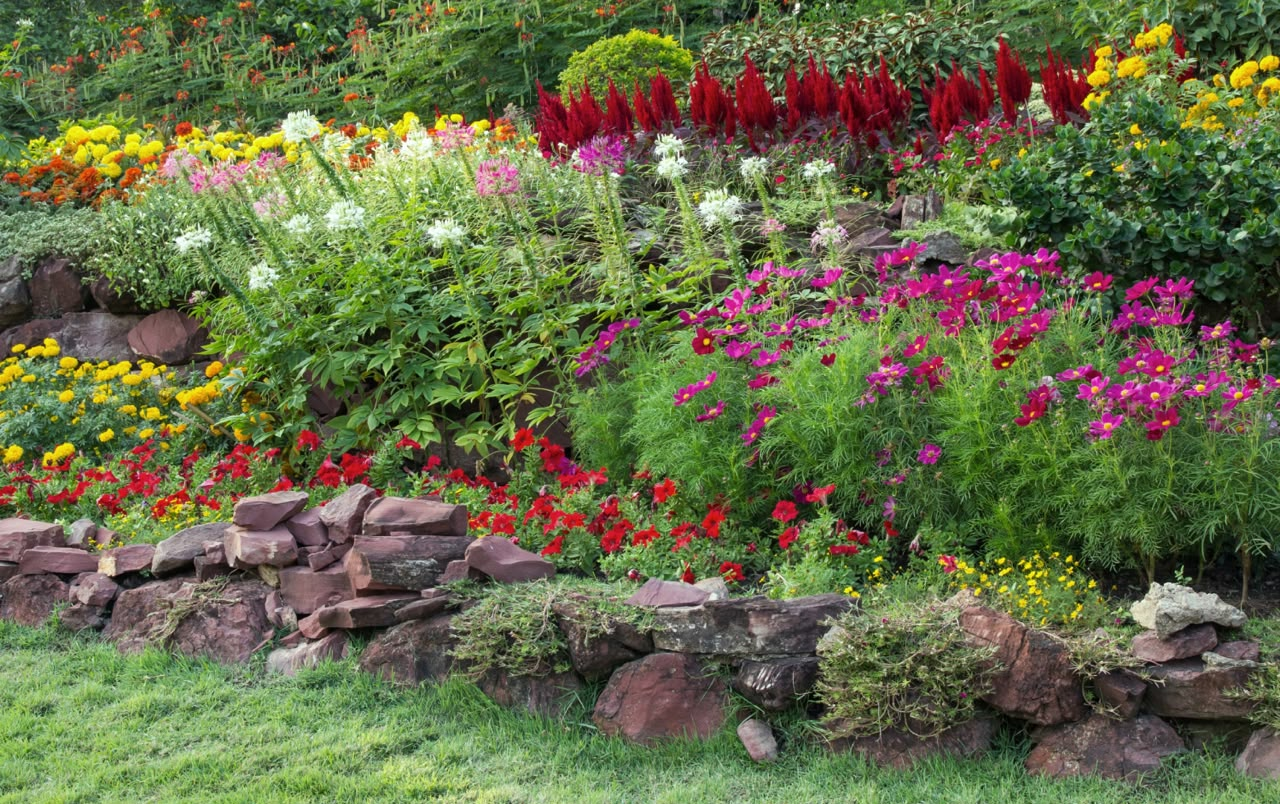
A thriving flower bed adds color, texture, and life to your outdoor space, but even routine watering can unintentionally cause damage.
One of the biggest culprits is the garden hose itself. As you pull it across the yard, it can crush delicate blooms, snap stems, flatten foliage, and disturb freshly planted flowers. Over time, this repeated contact can leave your carefully maintained flower beds looking worn and unhealthy.
The good news is that preventing garden hose damage doesn’t require a complete overhaul of your watering routine. With a few simple changes and the right equipment, you can protect your flowers while making watering faster and more efficient.
How garden hoses damage flower beds
Garden hoses are designed to be durable, but their weight and flexibility can work against your landscaping. As you move around the yard, the hose naturally catches on plants, edging, garden ornaments, and shrubs. When you tug on the hose to free it, the movement often causes it to whip across flower beds.
Common types of damage include broken stems and branches, crushed flowers and buds, and torn leaves.
The larger and longer your hose, the more likely it is to snag on obstacles and drag across your garden.
See also: Toronto Home Renovation Contractors: A Complete Guide to Transforming Your Home
Plan your watering route
One of the easiest ways to protect flower beds is to think about your watering path before turning on the faucet.
Instead of pulling the hose directly through your landscape, walk around flower beds whenever possible. Start watering the areas furthest from the faucet first, then gradually work your way back. This approach reduces unnecessary hose movement and minimizes the chances of dragging it across delicate plants.
It also helps to remove obstacles that frequently catch the hose, such as decorative stakes, low garden lights, or loose edging.
Install a hose reel
A hose reel is one of the most effective ways to keep your garden hose under control.
Rather than leaving the hose coiled on the ground, a hose reel stores it neatly and lets you pull out only the length you need, reducing the chance of it catching on flowers or garden borders.
Retractable hose reels offer even greater convenience because they automatically rewind the hose after use. This keeps your yard tidy while protecting both the hose and your landscaping.
A properly positioned hose reel near your outdoor faucet can dramatically reduce the amount of dragging required during watering. Before installing it, make sure you read a retractable hose reel guide.
Choose the right hose length
Many homeowners use a hose that is much longer than necessary.
While a longer hose may seem convenient, the extra length often creates more opportunities for tangles and dragging. Excess hose tends to pile up around flower beds and requires additional pulling as you move around the yard.
Measure the distance from your outdoor faucet to the furthest watering area and choose a hose that comfortably reaches without leaving excessive slack.
If you have a large property, consider using multiple shorter hoses connected to different faucets instead of relying on one oversized hose.
Water early and move slowly
Rushing through garden chores increases the likelihood of damaging plants. When watering, move slowly and pay attention to where the hose is positioned. Before walking to the next section of the garden, check that the hose is clear of flowers, shrubs, and newly planted areas.
Watering early in the morning also gives you better visibility and allows you to notice potential problems before they occur.
A few extra seconds spent repositioning the hose can save weeks of recovery for damaged flowers.
Create clear garden paths
Designated walking paths make watering much easier. Whether you use stepping stones, gravel, mulch pathways, or pavers, clearly defined routes encourage you to move around your garden without crossing planting beds.
Garden paths also help direct the hose away from flowers while providing stable footing during watering.
If you’re planning a new landscape, consider incorporating pathways that connect your outdoor faucet with the main watering zones.
Add protective garden edging
Garden edging serves more than just decorative purposes. Raised edging made from stone, brick, or metal creates a physical barrier between your lawn and flower beds. While it won’t completely stop hose movement, it provides a visual reminder to avoid pulling the hose directly over planted areas.
Edging also keeps mulch in place and helps define safe watering routes.
Choose edging materials that complement your landscape design while providing enough height to separate planting areas from walking spaces.
Switch to soaker hoses or drip irrigation
For flower beds that require frequent watering, consider replacing traditional overhead watering with a drip irrigation or soaker hose system.
These systems deliver water directly to plant roots, eliminating the need to drag a hose through delicate planting areas every day.
Benefits include reduced water waste, healthier plants, less unwanted plant growth, lower risk of disease, consistent soil moisture, and minimal disturbance to flowers.
Although installation requires an initial investment, the long-term benefits often outweigh the cost.
Keep your hose organized
A tangled hose is much more likely to damage your garden. After each use, neatly coil your hose or store it on a hose reel. Avoid leaving it stretched across the lawn where it can develop twists and kinks.
Regularly inspect your hose for leaks, cracks, or worn fittings that could make handling more difficult.
Keeping your watering equipment in good condition not only extends its lifespan but also makes watering safer and more efficient.
Be extra careful around new plantings
Young flowers are especially vulnerable to hose damage.
Freshly planted annuals, perennials, and seedlings have not yet established strong root systems. Even a light pull from a garden hose can uproot them or break fragile stems.
For newly planted beds, water gently, keep the hose outside the planting area, use a watering wand for better control, and walk around the bed instead of across it.
As plants mature, they become more resilient, but careful watering is still essential.
Upgrade your watering tools
Modern watering accessories can make gardening much easier. Consider adding a lightweight expandable hose, a watering wand with extended reach, a retractable hose reel, and adjustable spray nozzles.
These tools improve control and reduce unnecessary strain on both your plants and your watering equipment.
Make flower protection part of your routine
Protecting your flower beds isn’t just about avoiding one accident—it involves developing better watering habits over time.
Before each watering session, quickly check your hose path, ensure it isn’t wrapped around plants, and pull out only the amount of hose you actually need. After watering, store everything properly to prevent tangles before the next use.
These small routines take only a few minutes but can preserve the beauty of your landscape throughout the growing season.
Conclusion
Healthy flower beds deserve more than careful planting and regular watering. They also need protection from everyday gardening equipment.
A garden hose may seem harmless, but repeated dragging across delicate flowers can cause broken stems, damaged blooms, compacted soil, and unnecessary stress on your plants.
Fortunately, preventing this type of damage is simple. By planning your watering route, installing a hose reel, choosing the right hose length, and keeping your equipment organized, you can enjoy a healthier, more attractive garden without sacrificing convenience.