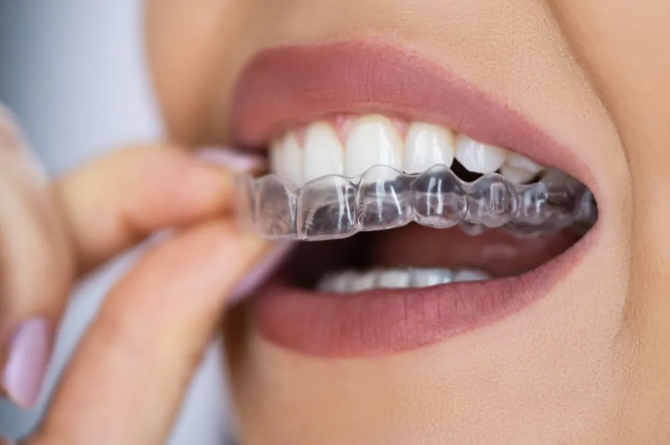
You might be feeling torn right now. You know you want straighter teeth, yet the thought of metal brackets on your smile for months or even years makes your stomach drop. Maybe you had braces as a teenager, and the memory of sore gums and food stuck in wires is still very real. Or you are an adult who worries how braces might affect your confidence at work, on dates, or in photos with your kids. Invisalign in Redlands and Loma Linda has great options.
If that is where you are, you are not alone. Many people feel stuck between “I want to fix my teeth” and “I really do not want a mouth full of metal.” Because of this tension, you may have started hearing about clear aligners and wondering if they are just a trend or a real alternative.
Here is the short version. Clear aligners use a series of transparent trays to gently move your teeth, and for many people they offer more comfort, flexibility, and discretion than traditional braces. Braces are still important for some complex cases, yet for a wide range of smiles, clear aligner therapy can be a quiet, steady path to the same goal.
So where does that leave you as you try to choose between clear aligners and braces for orthodontic treatment?
What makes clear aligners feel so different from traditional braces?
First, it helps to understand what is actually changing. Traditional braces use metal or ceramic brackets and wires that are attached to your teeth. Clear aligners use removable trays made from transparent plastic that fit over your teeth. Both move teeth by applying gentle pressure. The experience of living with them, though, can feel very different.
According to the U.S. Food and Drug Administration, orthodontic options have expanded far beyond the classic metal braces to include tooth-colored and clear systems, which have changed both appearance and comfort for patients. You can see an overview of these modern options in an FDA consumer update on how braces have changed.
So if both methods move teeth, why are so many people drawn to clear aligners today?
See also: How Luxury Villas Offer a Better Work-Life Balance in Bangalore
Benefit 1: Clear aligners are far more discreet in daily life
You might be picturing yourself in a meeting, at a wedding, or on a first date, worried that everyone is staring at your braces. That anxiety alone is enough to delay treatment for years. Clear aligners are designed to be almost invisible. When they are in place and clean, most people will not notice them unless they are looking for them up close.
For teenagers, this discretion can help reduce teasing or self-consciousness in photos. For adults, it can make it easier to continue presenting a polished, professional image while still doing something important for long-term oral health. You do not have to choose between your smile today and your smile tomorrow.
Benefit 2: Removability gives you control over eating and cleaning
One of the hardest parts of traditional braces is feeling like your normal routines are gone overnight. Suddenly popcorn, gum, crusty bread, nuts, and some fruits are off the table. Brushing and flossing can feel like a project, and it is easy to feel embarrassed if food gets stuck in the hardware.
With clear aligner orthodontic treatment, the trays come out when you eat and when you brush and floss. That means you can keep your usual diet in most cases, as long as you follow your orthodontist’s guidance. It also means you can clean your teeth the way you always have, which helps reduce the risk of cavities or staining around brackets.
Of course, removability is both a benefit and a responsibility. Aligners need to be worn the recommended number of hours per day, often around 20 to 22, to work as planned. If you know you are someone who might forget to wear them, that is something to discuss honestly with your orthodontist.
Benefit 3: Smooth, custom fit often means fewer mouth irritations
Think about those first weeks with braces. The inside of your cheeks rubbing against brackets. Small cuts. Wax pressed over sharp spots. It is manageable, yet it can wear you down over months.
Aligners are made from smooth plastic and are custom-fitted to your teeth. While there can still be some pressure and mild soreness, especially when you change to a new set of trays, most people experience fewer raw spots or cuts inside the mouth. That can make the whole journey feel more tolerable and less distracting.
Harvard School of Dental Medicine explains that clear aligner therapy uses a series of custom trays to move teeth gradually, and that it can be an effective option for many types of orthodontic problems. You can read more about how this works in a Harvard FAQ on clear aligner orthodontic therapy.
Benefit 4: Predictable planning and fewer in-person adjustments
Another quiet stress with braces is the unpredictability. You might worry about wires breaking, brackets coming loose, or emergency visits right before a big event. There are also regular tightening appointments, which can leave your teeth sore.
Clear aligner systems are often planned digitally from the start. Your orthodontist maps each stage of movement and creates a series of trays to follow that plan. That does not mean there will never be adjustments or refinements, yet it does allow for a more structured roadmap.
Because you change to the next set of aligners at home on a set schedule, many people also have fewer in-person visits for tightening. For busy adults and students, that can mean less missed work or school.
How do clear aligners really compare with braces day to day?
It can help to see some of these differences side by side, especially when you are trying to decide what fits your life, not just your teeth.
| Factor | Clear Aligners | Traditional Braces |
|---|---|---|
| Appearance | Transparent trays, usually hard to see in photos or conversation | Visible metal or ceramic brackets and wires |
| Comfort inside the mouth | Smooth plastic, fewer sharp spots, mild soreness with new trays | Brackets and wires can rub cheeks and lips, may require wax |
| Eating | Trays removed before eating. Most foods allowed with guidance. | Food restrictions to avoid damage. Higher chance of food getting stuck. |
| Oral hygiene | Trays removed for brushing and flossing. Easier to maintain routine. | Brushing and flossing around brackets is more time-consuming. |
| Visit frequency | Planned tray changes at home. Periodic check-ins with orthodontist. | Regular in-office wire adjustments and checks. |
| Best for | Mild to moderate alignment issues, some bite problems | Simple to complex cases, including more severe bite corrections |
So, where does that leave you if you are still unsure about choosing clear aligners instead of metal braces for your orthodontic journey?
Three smart steps to decide if clear aligners are right for you
You do not need to have everything figured out today. You only need to take the next wise step. Here are some practical moves you can make.
1. Get a professional assessment, not just an online opinion
Online photos and stories can be helpful, yet your mouth is unique. Schedule a consultation with an orthodontist who offers both clear aligners and traditional braces. Ask for a full evaluation, including X rays and photos if needed. Then ask a simple question. “Am I a good candidate for clear aligners, and if not, why?”
A trustworthy orthodontist will explain whether your bite and alignment can be handled well with aligners or whether braces would give you a safer or more stable result.
2. Be honest about your habits and your daily routine
Clear aligners work only if they are worn as directed. Think about your lifestyle. Do you snack all day, or do you have set meals? Are you good with routines like wearing a retainer at night, or do you struggle with consistency?
If you know you will forget to put the trays back in after meals, braces might be a better fit. If you are confident you can commit to wearing aligners most of the day and night, then you can enjoy the flexibility they bring.
3. Weigh the emotional and practical costs, not just the financial ones
Of course, cost matters, and you will want a clear quote for both options, including any follow up care. Yet also think about other costs. How important is it to you to feel comfortable in photos or at work during treatment? How much time can you realistically spend on office visits and cleaning around brackets?
Write down what matters most to you. Confidence at work. Fewer food restrictions. Predictable visits. Long-term stability of your bite. Then compare how each option lines up with that list. The right choice is the one that supports both your oral health and your everyday life.
Moving toward a smile that feels like “you” again
Living with teeth you are not happy with can wear on you more than you admit. You might avoid smiling in pictures, cover your mouth when you laugh, or feel a quiet sting every time you see your reflection. Choosing treatment is not just about straight teeth. It is about giving yourself permission to feel at ease in your own smile.
Clear aligners are not perfect for every person, yet for many they offer a gentle, discreet way to reach the same healthy result that braces provide. By understanding the benefits, asking clear questions, and being honest about your own habits, you can make a choice that feels steady and informed rather than rushed or pressured.
You deserve a plan that respects both your health and your daily life. Your next step is simple. Reach out to a trusted orthodontist, share your concerns openly, and explore whether orthodontic treatment with clear aligners can give you the balance you are looking for.