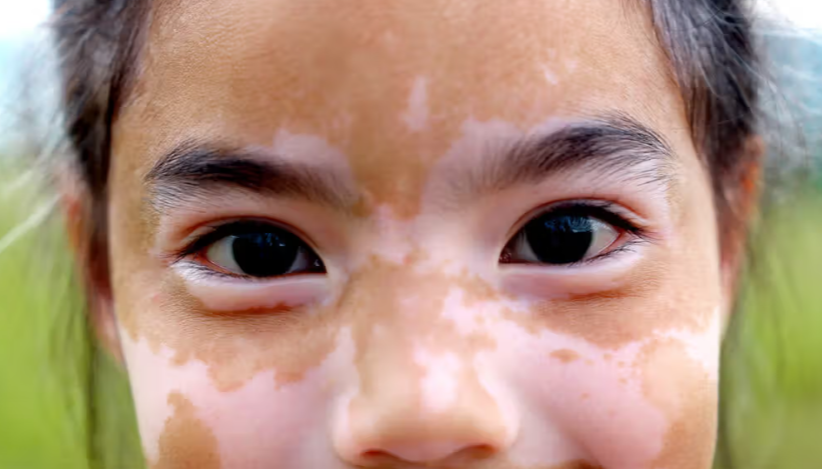
Parents usually notice white facial patches in children during ordinary moments: after a bath, during outdoor play, while applying sunscreen, or while looking through photos. The patches may appear faint at first and then become more noticeable over time. Naturally, parents begin searching for answers. Some worry about fungal infection. Others think it may be poor nutrition or a vitamin deficiency. Some fear permanent pigmentation disorders immediately. In reality, the causes of childhood skin discoloration causes can vary significantly, which is why proper diagnosis matters before starting treatment.
White facial patches are not one single condition. They are a visible sign that something has changed in the skin’s pigment, texture, or healing pattern. Understanding the possible causes helps parents respond calmly and more appropriately.
White Patches Are Common in Children
One important thing parents should know is that pale facial patches are fairly common during childhood.
Children’s skin is sensitive and still developing. It reacts differently to:
- Sun exposure
- Dryness
- Friction
- Allergies
- Inflammation
- Sweating
- Skin infections
- Minor injuries
- Seasonal changes
Because of this, temporary colour changes can happen more easily than many parents realise.
The appearance of white patches does not automatically mean a serious condition.
Pityriasis Alba Is One of the Most Frequent Causes
Pityriasis alba is one of the most common explanations for pale facial patches in children.
The patches are usually:
- Slightly lighter than the surrounding skin
- Dry or mildly rough
- More visible after sun exposure
- Seen commonly on cheeks
- Associated with dry or sensitive skin
The condition is often linked to mild eczema tendencies or skin dryness rather than infection.
The British Association of Dermatologists describes pityriasis alba as a harmless skin condition commonly affecting children and young adults, causing pale patches mainly on the face. (bad.org.uk)
These patches may improve slowly over months, especially with moisturising and sun protection.
Dry Skin Alone Can Cause Colour Changes
Children with dry skin may develop uneven patches that appear lighter than the surrounding areas.
This happens because dry or inflamed skin reflects light differently and may not tan evenly. Harsh soaps, hot water, weather changes, and repeated rubbing can make the dryness worse.
Parents may notice:
- Fine roughness
- Mild scaling
- Ashy appearance
- Increased visibility after outdoor play
- Seasonal worsening
In many cases, gentle skincare and moisturising improve the appearance gradually.
Post-Inflammatory Hypopigmentation Can Happen After Rash or Irritation
Sometimes the white patch is not the original skin condition. It is the result left behind after inflammation settles.
This is called post-inflammatory hypopigmentation.
It may happen after:
- Eczema
- Allergic rash
- Insect bites
- Scratching
- Minor burns
- Skin irritation
- Previous infection
- Healing wounds
The affected skin temporarily loses some pigment while healing. Over time, the colour often returns gradually.
Parents sometimes continue treating the area aggressively because they think the disease is still active, when the inflammation has already healed.
Vitiligo Needs Proper Evaluation
Vitiligo is a pigmentation disorder that causes clearer areas of pigment loss. It happens when melanocytes stop functioning in certain skin areas.
Vitiligo patches may appear:
- Bright white
- Sharply bordered
- Symmetrical in some cases
- Around the eyes or the mouth
- On fingers, knees, or elbows
- Alongside the whitening of hair in some cases
Not every white patch is vitiligo, but dermatological assessment becomes important when the patches:
- Continue spreading
- Develop sharper borders
- Become more noticeable over time
- Appear in typical vitiligo locations
- Occur alongside family autoimmune history
Early diagnosis helps guide monitoring and management appropriately.
Fungal Infection Is Sometimes Mistakenly Assumed
Parents often assume every pale patch is a fungal infection.
While fungal infections can cause colour changes, true fungal involvement usually has additional features such as:
- Itching
- Scaling
- Irregular spread
- Mild redness
- Similar lesions elsewhere
- Scalp involvement in some cases
Many children receive repeated antifungal creams unnecessarily when the actual condition is pityriasis alba or dryness-related hypopigmentation.
This is why self-diagnosis can become confusing.
Nutritional Deficiencies May Affect Pigmentation
Parents frequently connect white patches with a vitamin deficiency.
Nutritional deficiencies can influence skin and hair health, especially when children also have:
- Poor appetite
- Fatigue
- Hair thinning
- Nail changes
- Growth concerns
- General skin dullness
- Recurrent illness
Nutrients commonly linked to skin health include:
- Vitamin B12
- Vitamin D
- Zinc
- Iron
- Folate
However, isolated facial white patches are not always caused by nutritional deficiency alone.
A dermatologist or paediatrician may recommend nutritional evaluation when the overall history suggests it is necessary.
Sun Exposure Makes White Patches More Noticeable
Parents often report that the spots become clearer during summer holidays or after outdoor activities.
This happens because the surrounding skin darkens with sun exposure, while pale areas remain lighter. The contrast increases, making the patches more obvious.
This is especially common with:
- Pityriasis alba
- Post-inflammatory hypopigmentation
- Dryness-related patches
Sun protection may help reduce this contrast gradually.
Children With Eczema Frequently Develop Pigment Changes
Children with eczema-prone skin often experience temporary colour changes after inflammation settles.
The affected areas may become:
- Lighter
- Darker
- Uneven
- Dry-looking
- More visible after scratching
The National Health Service notes that eczema can affect skin pigmentation, particularly after inflammation or healing. (nhs.uk)
In these cases, managing eczema and repairing the skin barrier are often more important than aggressively targeting the colour difference itself.
White Patches Can Also Follow Minor Skin Trauma
Children frequently develop temporary pigment changes after:
- Falls
- Friction
- Repeated rubbing
- Minor burns
- Scratches
- Tight mask friction
- Sports-related irritation
These changes may appear weeks after the skin initially healed, which is why parents sometimes cannot connect the patch to an earlier event.
Most improve gradually over time.
Not Every Patch Needs Immediate Aggressive Treatment
Parents often become anxious and start multiple creams quickly.
This can create additional irritation.
Common mistakes include:
- Using steroid creams repeatedly
- Applying fairness creams
- Scrubbing the skin
- Trying internet remedies
- Using lemon or harsh ingredients
- Switching treatments every few days
- Using strong antifungal creams without a diagnosis
Children’s facial skin is delicate. Aggressive treatment can worsen irritation and pigment imbalance.
Dermatologists Look Beyond the Colour Alone
A dermatologist usually examines more than just the whiteness.
Important clues include:
- Texture
- Scaling
- Border sharpness
- Symmetry
- Dryness
- Hair involvement
- Inflammation
- Patch distribution
- Itching
- Progression pattern
- Family history
These details help narrow down the likely diagnosis.
Sometimes diagnosis is straightforward during examination. In other cases, follow-up may be needed to observe progression.
When Parents Should Seek Medical Attention
Parents should consider a dermatological review if:
- The patches spread
- The colour becomes more intense
- The borders become sharply defined
- The child develops itching or scaling
- The patches persist for months
- There is a family history of vitiligo
- Home moisturising is not helping
- New patches continue appearing
- Hair colour changes occur within the patch
- The child becomes distressed about appearance
Early evaluation often prevents unnecessary treatment and anxiety.
Emotional Reassurance Is Important
Visible facial changes can affect children emotionally, especially school-age children who may become self-conscious after comments from others.
Parents also become anxious when online searches immediately suggest a serious disease.
A proper consultation helps explain:
- Whether the condition is dangerous
- Whether it is contagious
- Whether it is temporary
- Whether treatment is needed
- What improvement may look like
- Whether follow-up is necessary
That reassurance can significantly reduce stress for families.
Moisturising and Gentle Care Often Help
For many common childhood white patches, gentle skincare is important.
This may include:
- Mild cleansers
- Fragrance-free moisturisers
- Avoiding harsh scrubbing
- Sunscreen during outdoor exposure
- Avoiding steroid use without advice
- Reducing friction and irritation
Parents should understand that colour recovery is often gradual. The skin may need time to regain its normal pigment balance.
Diagnosis Is More Important Than Guesswork
The same white patch may be treated very differently depending on the cause.
For example:
- Pityriasis alba may need moisturising and eczema care
- Vitiligo may need specialised pigment management
- A fungal infection may require antifungal treatment
- Post-inflammatory hypopigmentation may mainly need patience
- Nutritional concerns may require broader health evaluation
Without proper diagnosis, treatment becomes trial-and-error.
Questions Parents Can Ask During Consultation
Helpful questions include:
- What is the likely diagnosis?
- Is the condition temporary?
- Does the child need tests?
- Could this be eczema-related?
- Is a fungal infection likely?
- Should sunscreen be used?
- Are the patches likely to spread?
- How long may recovery take?
- What products should we avoid?
- When should we return for review?
Clear explanations help parents feel more confident and less anxious.
Final Word
White facial patches in children can happen for several reasons, including dryness, pityriasis alba, eczema-related changes, post-inflammatory hypopigmentation, fungal infection, vitiligo, and occasionally nutritional deficiencies.
Childhood skin discolouration causes are varied, which is why parents should avoid assuming every patch is a fungal infection or a vitamin deficiency. Proper dermatological evaluation helps identify the actual reason behind the colour change and guides safer treatment decisions.
Most importantly, many childhood white patches are manageable and not dangerous. Calm assessment, gentle skin care, and proper diagnosis usually matter far more than aggressive treatment attempts.