You might have noticed your mouth feeling dry more often than it used to, maybe your breath seems harder to manage, or your teeth feel more sensitive even though you have not changed your routine. You brush, you floss when you can, yet something still feels off. It is frustrating, because it feels like you are doing the “right” things, but your mouth does not quite cooperate, and it may be time to talk with a dentist in Phoenix, AZ.
Then you start to wonder if it is something bigger. Is it the coffee you sip all day, the medications you need to function, or the fact that you barely drink water until afternoon. You are not alone in that question. Many people do not realize that staying hydrated is closely tied to how healthy their mouth is, not just how their body feels overall.
The short version is this. Hydration affects your saliva. Saliva protects your teeth, gums, and even your ability to speak and swallow comfortably. When your body does not have enough fluid, your mouth often shows the strain first. The good news is that small, steady changes in how you hydrate can make a real difference in your oral health and in your day to day comfort.
Why does hydration matter so much for your mouth?
To understand why hydration and oral health are linked, it helps to think about what saliva actually does for you. It is not just “spit.” It is a natural cleaning and protection system that runs all day and all night.
Saliva helps in several key ways. It washes away food particles. It neutralizes acids that bacteria create after you eat or drink. It brings minerals like calcium and phosphate to your teeth, which helps repair early damage to enamel. It also keeps your mouth comfortable so you can speak, chew, and swallow without pain or sticking.
When you are not well hydrated, your body may not produce enough saliva. This can lead to dry mouth, which is also known as xerostomia. You might notice sticky saliva, difficulty swallowing dry foods, a burning feeling on your tongue, changes in taste, or chronic bad breath. Over time, this dry environment can encourage cavities, gum problems, and oral infections.
So where does that leave you if your mouth often feels dry, even when you drink some water during the day.
See also: The Lifecycle of a Technology Product
When does “just dry” become a dry mouth problem?
There is a difference between feeling a bit thirsty after a workout and having ongoing dry mouth that affects daily life. Occasional thirst is normal. Long lasting dryness that does not improve with simple changes is not.
Many people live with chronic dry mouth without realizing it is a specific condition, often linked to medication use, health issues, or normal aging. If you are curious about what counts as dry mouth and what can cause it, you may find it helpful to read more about dry mouth symptoms and causes from a trusted health source.
Here is where the emotional side comes in. Constant dryness is more than a minor annoyance. It can make eating less enjoyable, increase worry about bad breath in social settings, and create a sense of embarrassment or self consciousness. If you have had to keep water by your bed or avoid certain foods because they are “too dry,” you already know how draining this can feel.
The financial side can show up quietly. Cavities, gum disease, and repeated dental visits often follow long term dry mouth. Treatment for those issues costs time and money, and sometimes people blame themselves, when in reality hydration and saliva production play a huge role.
The first step is not to blame yourself. Mouth dryness is common. Medications for blood pressure, allergies, anxiety, depression, and many other conditions can affect saliva. So can smoking, heavy caffeine intake, certain medical conditions, and of course not drinking enough water. Hydration is not the only factor, but it is one you can often improve.
How does better hydration protect teeth and gums?
Think of saliva as your built in mouth rinse that works all day. When you are hydrated, your body can produce a steadier flow of this protective fluid. That means less acid sitting on your teeth, fewer food particles stuck in hard to reach spots, and a more balanced environment for the good and bad bacteria in your mouth.
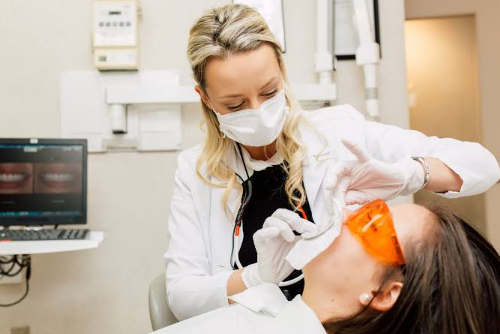
Good hydration supports what a general dentist does during your checkups. Professional cleanings and exams handle what you cannot see or reach. Saliva and healthy daily habits handle the rest of the time you are not in the dental chair. That is most of your life.
On the other hand, if your saliva flow is low for long periods, your mouth can become more prone to infection and decay. If you want to understand more about how saliva works and what can affect it, you can look at this information on saliva and salivary gland problems, which explains the science in plain language.
So the real question becomes this. How do you know when simple hydration changes are enough, and when you should seek help from a dentist or doctor.
Hydration for oral health vs ongoing dry mouth care
The table below compares everyday hydration habits with what is often needed when true dry mouth or saliva problems are present. This can help you understand where you might fall and what kind of support you may need.
| Situation | What it feels like | Helpful hydration steps | When to involve a dentist or doctor |
|---|---|---|---|
| General hydration support for oral health | Occasional thirst, morning dryness that improves after water, no major changes in taste or speech | Drink water regularly through the day. Limit sugary drinks and alcohol. Balance coffee and tea with water. | Routine dental visits to check for early signs of enamel wear or gum irritation |
| Frequent dry mouth without known cause | Sticky feeling, bad breath, need to sip water often, dry lips, mild trouble chewing dry foods | Increase water intake. Use sugar free gum or lozenges to stimulate saliva. Avoid tobacco and cut back on alcohol. | Discuss with a general dentist. Ask if medications or health conditions could be contributing. You may need targeted dry mouth products. |
| Chronic dry mouth or suspected saliva disorder | Persistent dryness day and night, trouble swallowing, burning tongue, change in taste, frequent cavities | Frequent small sips of water. Special gels or rinses for moisture. Careful avoidance of sugary snacks and drinks. | See a dentist and possibly a physician. You may need prescription saliva substitutes, medication changes, or evaluation of salivary glands. |
Seeing your own situation in that table can be sobering. It can also be clarifying. If you recognize the more serious signs, that is a signal to seek help rather than trying to push through with water alone.
Three concrete steps to support your mouth with better hydration
1. Create a simple hydration rhythm
Instead of trying to “chug” large amounts of water a few times a day, aim for steady, smaller amounts. Keep water where you actually spend time. A glass on your desk, a refillable bottle in your bag, or a cup on your nightstand can all be quiet reminders.
Try pairing water with things you already do. A glass when you wake up, a few sips before every meal, and water with any medication you take. Consistency matters more than perfection. Over a week or two, notice whether your mouth feels less sticky, your breath feels fresher, or eating feels smoother.
2. Protect saliva while cutting back on “drying” habits
You do not need to give up every comfort, but small shifts can help protect saliva. If you drink coffee or tea all day, try alternating with water. If you smoke or vape, be aware that both can worsen dryness. Alcohol and many mouthwashes with high alcohol content can also dry your mouth.
Choose sugar free gum or lozenges to gently stimulate saliva, especially after meals. Look for products with xylitol, which can support tooth health. Avoid constant sipping of sugary or acidic drinks like soda or sports drinks. Those feed cavity causing bacteria and overwhelm the natural protection that saliva provides.
3. Partner with a dentist if dryness does not improve
If you have increased your water intake and adjusted habits for several weeks, yet your mouth still feels uncomfortably dry, it is time to involve a professional. This is not a sign of failure. It is a smart response to what your body is telling you.
A dentist can check for early damage from dry mouth, such as root cavities, enamel wear, or gum changes. They can suggest specific rinses, gels, fluoride treatments, or prescription products that support moisture. They can also coordinate with your physician if medications or health conditions appear to be part of the issue.
Moving forward with more comfort and fewer oral health surprises
Hydration may seem simple, yet its role in your mouth is powerful. By paying attention to how much and how often you drink water, and by noticing how your mouth actually feels day to day, you can support your oral moisture and dental health in a very real way.
You do not need to change everything overnight. Start with one or two small steps, observe how your body responds, and be willing to ask for help if dryness persists. A general dentist can work with you to reduce the impact of dry mouth, protect your teeth and gums, and help you feel more at ease when you eat, speak, and smile.
You deserve a mouth that feels comfortable, clean, and cared for. Paying attention to hydration is a quiet but powerful way to move in that direction.