Cities are no longer just physical spaces made of roads, buildings, and signals. They are turning into intelligent ecosystems where technology quietly manages movement, safety, and efficiency in real time. As traffic density increases and urban lifestyles become faster, traditional road-crossing systems are struggling to keep up with modern demands.
This is where the smart pedestrian crossing system comes in as a major innovation in urban mobility. Instead of relying on fixed timing or manual interaction, it uses intelligent detection and adaptive control to manage pedestrian movement more safely and efficiently.
The smart pedestrian crossing system is not just an upgraded version of old traffic signals. It represents a complete shift toward responsive infrastructure that reacts dynamically to real-world conditions.
Why Traditional Crossings Are No Longer Enough
Older pedestrian crossing systems were designed for simpler traffic conditions. Fixed signal timing worked when cities had lower vehicle density and fewer pedestrians. But modern urban environments are far more complex.
Fixed-cycle crossings often create unnecessary waiting times for pedestrians and vehicles. In some cases, they even lead to unsafe crossing behavior when people try to move before signals change.
Manual push-button systems also have limitations such as wear, delayed response, and accessibility issues. Over time, these weaknesses reduce overall efficiency and increase maintenance requirements.
These challenges have pushed cities to adopt more intelligent and adaptive solutions.
See also: How Luxury Villas Offer a Better Work-Life Balance in Bangalore
What a Smart Pedestrian Crossing System Actually Does
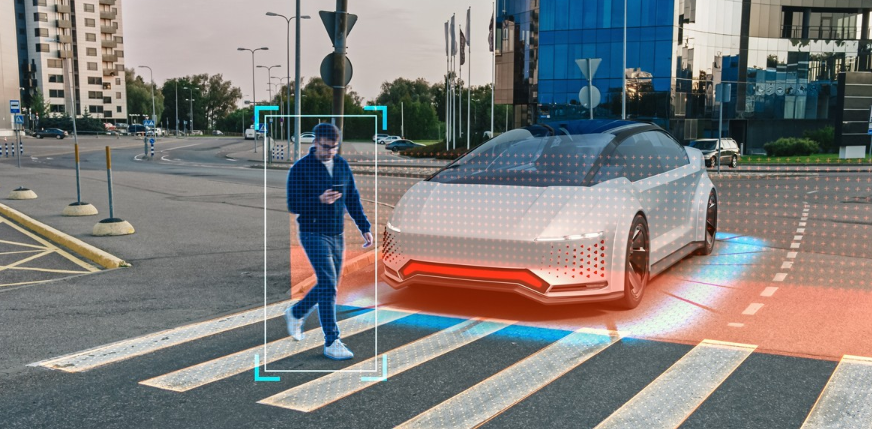
A smart pedestrian crossing system uses advanced sensing and control technologies to detect pedestrian presence and adjust traffic signals accordingly. Instead of following a rigid cycle, it responds in real time to actual demand.
When a pedestrian approaches a crossing area, sensors detect movement or presence and send data to the traffic control unit. The system then evaluates traffic conditions and determines the safest and most efficient time to allow crossing.
This dynamic response makes traffic flow smoother while maintaining safety as a top priority.
How Smart Technology Improves Real-Time Decision Making
The core strength of a smart pedestrian crossing system lies in its ability to process real-time information. It does not rely on pre-set timers alone but continuously analyzes environmental conditions.
This includes vehicle density, pedestrian waiting time, and intersection activity. Based on this data, the system adjusts signal timing to create balance between road users.
This intelligent decision-making process reduces congestion and improves overall traffic efficiency.
Enhancing Pedestrian Safety in Busy Urban Areas
Safety is the most critical aspect of any traffic system. Smart pedestrian crossings improve safety by ensuring that crossing opportunities are only given when conditions are truly safe.
Sensors reduce the chances of human error and eliminate confusion caused by manual activation or miscommunication. The system ensures that pedestrians are not exposed to unnecessary risk during crossing.
This controlled environment significantly reduces the likelihood of accidents at busy intersections.
Improving Traffic Flow Without Disruption
One of the biggest challenges in urban traffic management is balancing pedestrian movement with vehicle flow. Traditional systems often favor one side, causing delays and inefficiencies.
Smart systems solve this problem by dynamically adjusting timing based on actual demand. If pedestrian activity is low, vehicles experience fewer interruptions. If pedestrian demand increases, the system prioritizes crossing safely.
This balance helps maintain smoother traffic conditions across the entire network.
Accessibility and Inclusive Design for Modern Cities
Modern infrastructure must support all users, including elderly people, children, and individuals with disabilities. Traditional systems often require physical interaction or precise timing, which can be difficult for some users.
The smart pedestrian crossing system improves accessibility by reducing or eliminating the need for manual activation. Many systems rely on automatic detection, making crossings easier and more intuitive.
Clear signals and feedback mechanisms also help ensure that all users understand crossing conditions easily.
Role in Smart City Development
Smart cities rely on interconnected systems that communicate and adapt in real time. Traffic management is a key part of this ecosystem.
Smart pedestrian crossing systems contribute to this vision by generating real-time data and integrating with centralized traffic control platforms. This helps city planners analyze movement patterns and optimize infrastructure over time.
These systems are not isolated tools but essential components of intelligent urban networks.
Environmental Benefits of Smart Traffic Control
Efficient traffic management also has environmental advantages. By reducing unnecessary waiting times, smart crossings help lower fuel consumption and reduce vehicle emissions caused by idle traffic.
This contributes to cleaner air quality and more sustainable urban living conditions.
Energy-efficient components used in these systems also support long-term environmental goals.
Future of Pedestrian Crossing Technology
The future of pedestrian crossing systems is moving toward fully automated, predictive, and AI-driven models. These systems will be able to anticipate pedestrian movement and adjust signals before congestion even occurs.
Integration with connected vehicles and smart city platforms will further improve coordination between different transport systems.
The smart pedestrian crossing system is an important step toward this future of fully intelligent urban mobility.
Conclusion
The smart pedestrian crossing system represents a major advancement in how cities manage traffic and pedestrian movement. By replacing fixed timing and manual interaction with intelligent, adaptive control, it creates safer and more efficient urban environments.
It improves traffic flow, enhances pedestrian safety, and supports the development of modern smart cities.
As urban areas continue to grow, this technology will play a central role in shaping the future of transportation systems that are more responsive, efficient, and human-friendly.